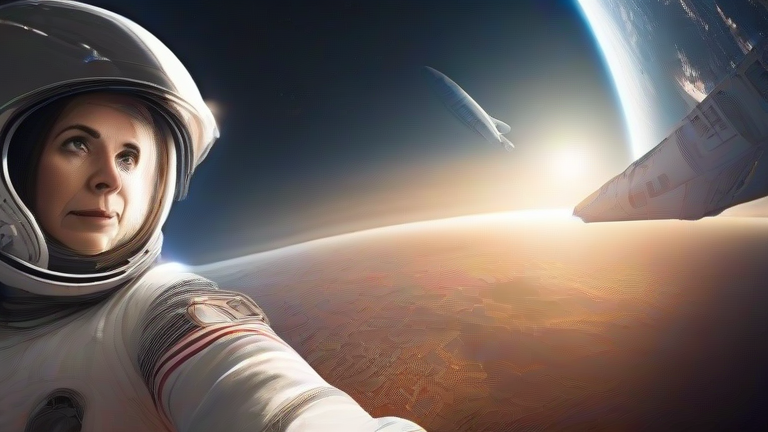
Space Tourism for the Middle Class: Is It Finally Accessible?

The dream of orbiting Earth is no longer reserved solely for billionaires with deep pockets. Recent advancements in aerospace engineering have driven the cost of space tourism down significantly, sparking a global conversation about accessibility. While a full orbital trip still costs tens of thousands of dollars, suborbital experiences and commercial space station modules are entering the realm of the upper-middle class. However, before you book your ticket, consider the physiological impacts and practical preparations required for such a journey.
Preparing Your Body for Microgravity
Space travel places unique stresses on the human body. The most immediate challenge is the lack of gravity. During suborbital flights, passengers experience brief periods of weightlessness, which can trigger motion sickness and vertigo. Science-backed advice suggests that individuals with a history of inner ear disorders or severe anxiety should consult a physician before booking. Hydration is critical; even mild dehydration can exacerbate space sickness. Experts recommend increasing water intake for 48 hours prior to launch to ensure optimal blood volume and circulation.
Nutrition and Physical Conditioning
Aerobic fitness is essential. Space agencies require passengers to pass rigorous physical exams, including a minimum level of cardiovascular health. Regular exercise improves your body’s efficiency in handling the G-forces experienced during launch and re-entry. Focus on strength training to support your core and back muscles, which will be unaccustomed to the sudden shift in load. Additionally, adopt a low-sodium, high-protein diet in the week leading up to your trip. This helps reduce fluid retention and prepares your metabolic system for the stress of travel.
Mental Resilience and Lifestyle Adjustments
The psychological aspect of space tourism is often overlooked. The “Overview Effect”—a cognitive shift reported by astronauts upon seeing Earth from space—can be intense. To prepare, engage in mindfulness meditation and visualization exercises. These techniques help manage pre-flight anxiety and enhance your ability to process the awe-inspiring, yet overwhelming, visual stimuli of space.
Furthermore, consider the ethical and environmental implications. Commercial spaceflight currently has a significant carbon footprint
Leave a Reply