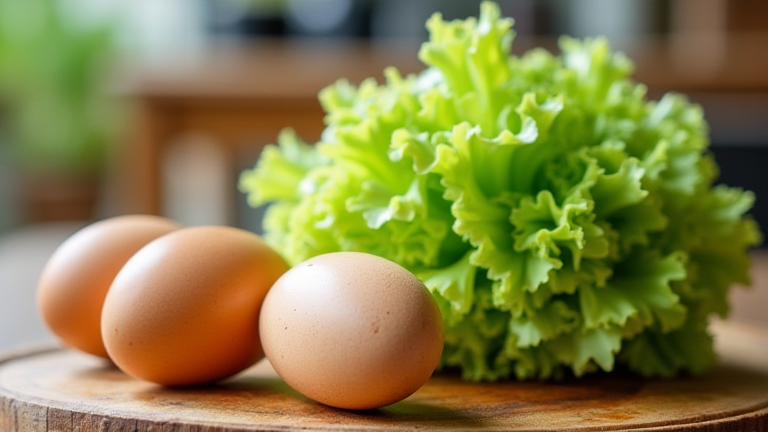
Summer Food Safety Scares: Why Lettuce, Eggs & More
TL;DR: Summer heat accelerates bacterial growth in perishable items like lettuce and eggs, creating a high-risk environment for foodborne illness. Adhering to strict temperature controls and proper hygiene protocols is the only effective defense against these common seasonal outbreaks.
As temperatures rise, the danger zone for food storage expands significantly. Bacteria such as Salmonella, E. coli, and Listeria thrive in warm conditions, turning common staples into potential health hazards. Understanding how to handle these specific foods is crucial for keeping your family safe during the warmer months.
If you want to dig deeper, check out our guide on Find the Brazilian BIFL Subreddit for Real Estate Tips.
Step-by-Step Instructions for Safe Handling
First, prioritize cold storage for all perishables. Keep your refrigerator at or below 40°F (4°C) and your freezer at 0°F (-18°C). During outdoor gatherings, use plenty of ice packs to keep coolers cold. Never leave raw meat, poultry, or dairy out at room temperature for more than two hours, or one hour if the temperature is above 90°F (32°C).
Second, wash produce thoroughly. Lettuce and other leafy greens are often the source of contamination because dirt and bacteria cling to their surfaces. Rinse these items under running cold water immediately before eating, even if they are pre-washed. Do not use soap or bleach, as these can leave harmful residues. Dry the greens with a clean paper towel to remove excess moisture, which encourages bacterial growth.
Third, handle eggs with extreme care. Cracked eggs should be discarded immediately. Store eggs in their original cartons in the coldest part of the refrigerator, not in the door where temperatures fluctuate. When cooking, ensure that eggs are cooked until both the white and yolk are firm. Avoid consuming raw or undercooked eggs in dishes like Caesar dressing or homemade mayonnaise, especially during summer when risk is higher.
Fourth, maintain strict hygiene. Wash your hands with soap and warm water for at least twenty seconds before and after handling raw meat, poultry, or seafood. Use separate cutting boards for raw proteins and ready-to-eat foods to prevent cross-contamination. Sanitize all surfaces and utensils that have come into contact with raw meat using a solution of one tablespoon of unscented bleach per gallon of water.
Finally, reheat leftovers properly. When reheating stored food, heat it until it steams hot throughout, reaching an internal temperature of 165°F (74°C). Do not reheat food more than once, and discard any leftovers that have been sitting out too long.
FAQ
Q: Is it safe to eat pre-washed bagged lettuce?
A: It is safer than unwashed lettuce, but it is still recommended to rinse it again under cold water to remove any residual bacteria or contaminants.
Q: How long can eggs stay out of the fridge?
A: Eggs should not be left at room temperature for more than two hours, or one hour if the ambient temperature is above 90°F, as they are highly perishable.
Q: What is the best way to tell if raw chicken is bad?
A: Discard chicken if it has a slimy texture, a grayish color, or a sour, ammonia-like smell, as these are clear indicators of bacterial spoilage.
Leave a Reply