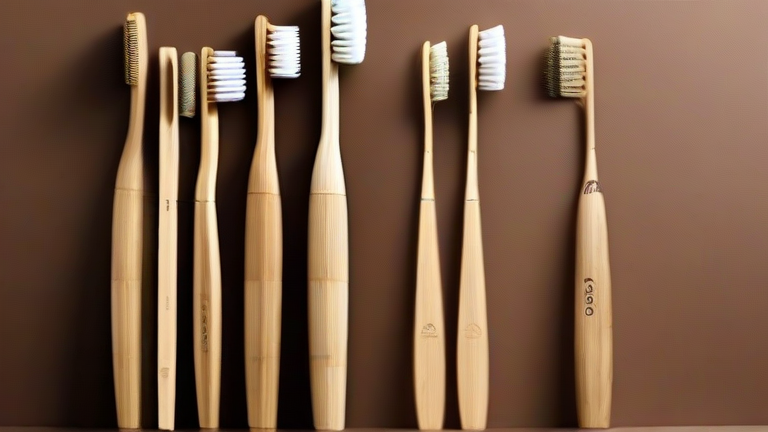
TL;DR: Sustainable bamboo toothbrushes are emerging as the next big eco trend due to their biodegradable nature and the global consumer shift away from single-use plastics. Market projections indicate significant growth in this sector as environmental awareness drives demand for zero-waste personal care alternatives.
The Rise of Green Oral Hygiene
In an era where sustainability is no longer a niche preference but a mainstream necessity, the oral care industry is undergoing a quiet revolution. At the forefront of this movement is the humble bamboo toothbrush, a simple yet powerful alternative to traditional plastic models. With over 1 billion plastic toothbrushes ending up in landfills annually in the United States alone, the environmental burden is staggering. Bamboo, known for its rapid growth and natural biodegradability, offers a compelling solution that aligns with modern ecological values.
If you want to dig deeper, check out our guide on 10 Science-Backed Health Tips to Boost Your Energy Today.
Market data supports this growing enthusiasm. The global bamboo toothbrush market, valued at approximately $100 million in 2021, is projected to expand at a compound annual growth rate (CAGR) of over 8% through 2030. This surge is driven by increasing regulatory pressures on single-use plastics and a demographic shift among Millennials and Gen Z, who prioritize eco-friendly brands. Retailers have noticed this change, with major supermarket chains dedicating more shelf space to sustainable personal care products. The convenience of purchasing a biodegradable toothbrush alongside other groceries has normalized the habit, moving it from a specialty item to a household staple.
Expert insights highlight that the transition is not just about materials but also about consumer psychology. Dr. Elena Rossi, a sustainability analyst at GreenFuture Consulting, notes, “Consumers are looking for tangible ways to reduce their carbon footprint. A toothbrush is an everyday item with high turnover, making it an ideal candidate for sustainable intervention. When brands combine eco-friendly packaging with effective cleaning performance, adoption rates soar.”
Looking ahead, future predictions suggest that innovation will focus on improving bristle sustainability. While the bamboo handle is fully compostable, most brushes still use nylon bristles, which are not biodegradable. Companies are now investing in plant-based bristles made from castor bean oil or charcoal-infused natural fibers. These advancements aim to create a truly zero-waste product. Additionally, subscription models are gaining traction, offering consumers a convenient way to receive biodegradable replacements regularly, thereby reducing the likelihood of reverting to plastic. As technology evolves and consumer education deepens, bamboo toothbrushes are poised to become the standard, signaling a broader shift towards a circular economy in personal hygiene.
FAQ
Q: Are bamboo toothbrushes as effective as plastic ones?
A: Yes, bamboo toothbrushes provide the same cleaning power as plastic ones, provided they are used with proper brushing techniques and replaced every three to four months.
Q: Can I recycle the entire bamboo toothbrush?
A: Typically, no. You must remove the nylon bristles, which are not biodegradable, before composting the bamboo handle, as most recycling facilities cannot process mixed materials.
Q: How long does a bamboo toothbrush take to decompose?
A: If disposed of correctly in a composting environment, the bamboo handle can decompose within four to six months, significantly faster than plastic which takes centuries.
Leave a Reply