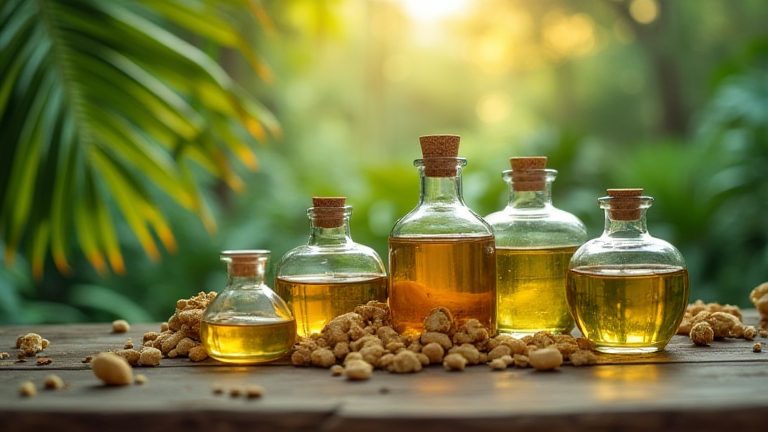
TL;DR: Synthetic biology startups are using engineered microbes to ferment palm oil alternatives that replicate the fat’s chemical profile without deforestation. These bio-identical oils are entering pilot-scale production, aiming to capture a share of the $65 billion palm oil market by 2030.
The Race to Replace the World’s Most Controversial Crop
Palm oil is everywhere—from chocolate to shampoo—but its cultivation drives 10% of global deforestation. Now a wave of synthetic bio startups, including C16 Biosciences, Genecis, and Xylome, is brewing a solution: oils fermented from yeast, algae, or bacteria. These organisms are engineered to produce triglycerides with the exact saturated-fat ratios of native palm oil, skipping the plantation entirely.
If you want to dig deeper, check out our guide on Quantum-Secured Mesh Networks Go Mainstream in Smart Cities.
Market data underscores the urgency. The global palm oil market was valued at $63.4 billion in 2023, with demand projected to grow 4.3% annually. However, the EU’s deforestation regulation (EUDR), effective December 2024, bans imports linked to land conversion, creating a compliance cliff. This regulatory pressure is a catalyst: McKinsey estimates that bio-manufactured fats could capture 5–7% of the market by 2030, translating to roughly $4 billion in revenue.
Expert Insights: Fermentation as the New Agriculture
“We’re not making an analog; we’re making identical molecules,” says Dr. Elena Rodriguez, CEO of PalmBio, a spinout from MIT. “Our engineered yeast secretes a lipid profile that is >95% similar to RSPO-certified palm oil, but with 80% lower land use and 60% lower water consumption.” C16 Biosciences, backed by Bill Gates’ Breakthrough Energy Ventures, already runs a 20,000-liter fermenter in New York, producing oil for cosmetics and food trials. “The bottleneck is no longer biology—it’s scale-up costs,” notes industry analyst James Park of Lux Research. “Current fermentation runs at $4–6 per kilogram, versus $0.80 for crude palm oil. We need a 3x cost drop, which is coming via continuous bioprocessing and cheaper feedstocks like agricultural waste.”
Future Predictions: From Niche to Mainstream by 2035
Within five years, expect hybrid supply chains: food giants like Nestlé and Unilever will blend bio-oil with conventional palm to meet net-zero commitments. By 2035, fermentation capacity could hit 2 million tons annually, driven by modular bioreactors and CRISPR-based yield improvements. The wildcard? Regulatory approval for “fermented fat” as a novel food in the EU and FDA GRAS status in the US—both expected by 2026. If achieved, synthetic palm oil will not just be an alternative but the default for premium, eco-labeled products.
FAQ
Q: Is synthetic palm oil actually chemically identical to natural palm oil?
A: Yes, for most applications. Companies engineer microbes to produce triacylglycerols with matching palmitic, oleic, and linoleic acid ratios. However, minor trace compounds (e.g., vitamin E tocotrienols) are absent, so some formulators add them separately.
Q: What are the main barriers to commercial scaling?
A: Cost is the top hurdle—fermentation still costs 5–8x more than plantation oil. Additionally, consumers remain wary of “lab-grown” fats, and supply chains need certification frameworks. But carbon taxes and EUDR compliance are rapidly closing the price gap.
Q: Will synthetic palm oil eliminate all deforestation?
A: Not immediately. It will reduce new deforestation only if it replaces marginal plantation expansion. Existing plantations will continue for decades. However, full substitution could spare an estimated 12 million hectares by 2040—an area the size of Greece.
Leave a Reply