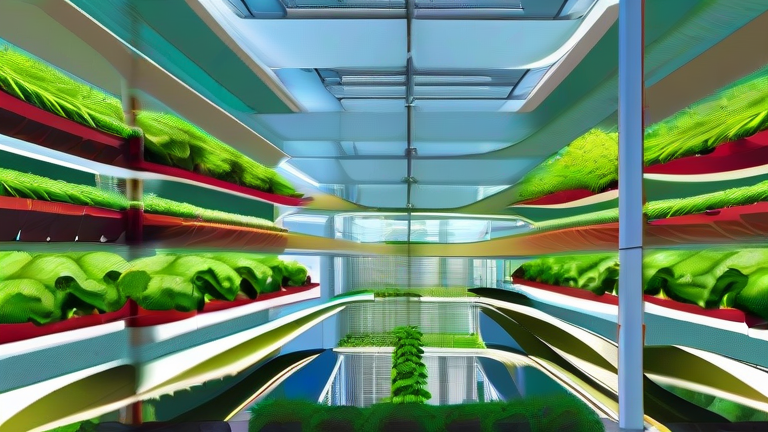
Vertical Farming: How It Feeds Urban Megacities
As global urbanization accelerates, the traditional model of agriculture faces unprecedented challenges. Distance from farms to cities, water scarcity, and climate instability threaten food security in megacities. Enter vertical farming, a revolutionary agricultural technology that promises to redefine how we produce and consume food. This review explores whether vertical farming lives up to its hype as a sustainable solution for urban populations.
At the heart of vertical farming is the efficient use of space. By stacking crops in vertical layers, typically within controlled environments like warehouses or shipping containers, producers can grow significantly more food per square foot than traditional field farming.  The technology relies heavily on hydroponics or aeroponics, systems that deliver nutrient-rich water directly to plant roots without soil. This method reduces water usage by up to 95% compared to conventional agriculture, a critical advantage in water-stressed urban areas.
If you want to dig deeper, check out our guide on Urban Farming Reduces City Food Miles: Benefits & Guide.
Feature highlights include precise climate control and year-round production. Unlike seasonal outdoor farming, vertical farms are immune to weather disruptions, ensuring a consistent supply of fresh produce. LED lighting systems are tuned to specific spectrums, optimizing photosynthesis and accelerating growth cycles. Furthermore, because these farms are located within or near cities, the carbon footprint associated with transportation is drastically reduced. Fresh lettuce can travel from farm to table in hours, not days, preserving nutritional value and taste.
When compared to traditional farming, vertical farming shines in sustainability and land efficiency. While the initial setup costs are high, the long-term operational benefits, such as reduced water and pesticide use, make it increasingly viable. Critics argue about energy consumption for lighting, but advancements in renewable energy integration and efficient LED technology are rapidly mitigating this concern.
In conclusion, vertical farming is not just a trend; it is a necessary evolution in food production. It offers a resilient, localized, and sustainable way to feed growing urban populations. As technology matures and costs decrease, vertical farms will likely become a staple in urban landscapes, ensuring food security for the future.
Ready to support the future of food? Explore leading vertical farming companies and invest in sustainable urban agriculture solutions today
Leave a Reply