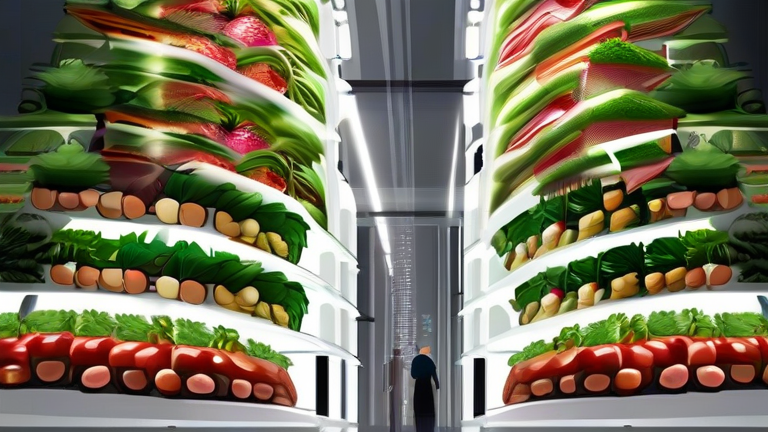
TL;DR: Vertical farming cultivates crops in stacked layers using controlled-environment agriculture, ensuring hyper-local, pesticide-free produce with significantly reduced water usage. This method delivers nutrient-dense food directly to communities while minimizing the carbon footprint associated with traditional long-distance transportation.
The Rise of Urban Greenhouses
In the heart of bustling cities, towering structures of lush greenery are redefining what it means to eat locally. Vertical farming is not just a technological novelty; it is a sustainable response to the challenges of climate change, urbanization, and food security. By growing plants in vertically stacked layers, often in controlled environments like warehouses or repurposed shipping containers, this innovative agricultural model maximizes yield per square foot. The result is a steady supply of fresh, crisp greens, herbs, and berries that travel mere miles from farm to fork, rather than thousands.

Nutritional Superiority and Environmental Impact
One of the most compelling arguments for vertical farming is the nutritional integrity of the produce. Traditional crops often lose up to 40% of their nutrients during transport and storage. In contrast, vertical farm produce is harvested at peak ripeness and delivered within hours, preserving vital vitamins and antioxidants. Research indicates that leafy greens grown in these controlled settings can contain higher levels of beneficial phytochemicals due to optimized light spectra and nutrient delivery systems.
Furthermore, the environmental benefits are staggering. Vertical farms use up to 95% less water than traditional field farming because water is recirculated in closed-loop systems. There is no reliance on seasonal weather patterns, and the elimination of pesticides means cleaner soil and safer food for consumers. For health-conscious individuals, this means reducing exposure to harmful chemical residues while supporting a system that regenerates rather than depletes natural resources.
Integrating Hyper-Local Produce into Your Lifestyle
Incorporating hyper-local vertical farm produce into your diet is easier than ever. Many communities now have subscription boxes or direct partnerships with local vertical farms. Start by swapping out store-bought lettuce for locally grown hydroponic spinach or kale. These greens are often crisper and last longer in your fridge, reducing food waste. Experiment with fresh herbs like basil, mint, and cilantro, which retain their potent essential oils when harvested fresh.
Additionally, consider the mental health benefits of connecting with local food systems. Visiting a vertical farm tour or attending farmer’s markets featuring these products fosters a sense of community and environmental stewardship. By choosing hyper-local produce, you are not just nourishing your body; you are investing in a healthier planet and a more resilient food infrastructure.
FAQ
Q: Is vertical farming food safe from bacteria?
A: Yes, because vertical farms operate in sterile, controlled indoor environments, the risk of contamination from wildlife, runoff, or soil-borne pathogens is significantly reduced compared to traditional farming.
If you want to dig deeper, check out our guide on AI Agents Autonomously Manage Enterprise Workflows.
Q: Does vertical farming require a lot of energy?
A: While it does use electricity for lighting and climate control, advancements in LED technology and renewable energy integration are rapidly lowering the carbon footprint, making it more sustainable than long-haul transport of conventional produce.
Q: Can I grow my own vertical farm at home?
A: Absolutely. Countertop hydroponic kits are widely available for growing herbs and leafy greens, allowing you to enjoy hyper-local produce with minimal space and effort.
Leave a Reply