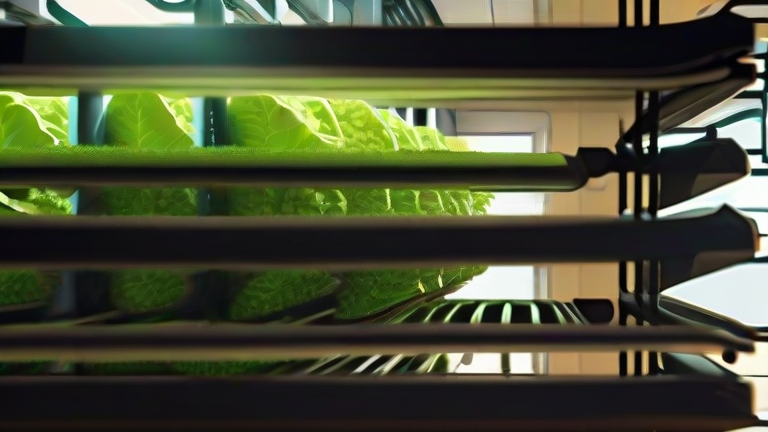
Vertical Farming Reduces Urban Food Carbon Footprints
In the heart of our sprawling concrete jungles, a quiet agricultural revolution is taking root. As urban populations swell and climate change accelerates, the traditional model of agriculture—characterized by long-haul transportation, heavy pesticide use, and vast land consumption—is facing unprecedented scrutiny. Enter vertical farming: a high-tech, soil-less method of growing crops in stacked layers, often within controlled indoor environments. This innovative approach is not just a trend; it is a scientifically backed solution to reducing the carbon footprint of our daily meals. By bringing food production closer to the point of consumption, vertical farms are redefining what it means to eat sustainably in the modern city.
The environmental benefits of vertical farming are profound and measurable. Traditional agriculture is responsible for a significant portion of global greenhouse gas emissions, largely due to the “food miles” associated with transporting produce from rural farms to urban centers. A head of lettuce, for instance, may travel thousands of miles before reaching your plate, emitting carbon dioxide at every stage of logistics. Vertical farms, however, are typically located in or near urban areas, drastically reducing these distances. Some facilities are situated in repurposed warehouses or even skyscrapers, ensuring that fresh greens travel merely blocks rather than hundreds of miles. This localized production model significantly cuts down on fuel consumption and the associated carbon emissions from trucks, ships, and airplanes.
If you want to dig deeper, check out our guide on How AI Agents Automate Complex Enterprise Workflows.

Beyond transportation, vertical farming employs cutting-edge technology to maximize resource efficiency. These systems use hydroponics or aeroponics, which require up to 95% less water than traditional soil-based farming. In an era of increasing water scarcity, this conservation is vital. Furthermore, the controlled environment allows for precise nutrient delivery, eliminating the need for harmful chemical pesticides that often runoff into local waterways. The use of energy-efficient LED lighting, often powered by renewable energy sources, further minimizes the carbon footprint. Studies indicate that while the energy cost of lighting is a factor, the overall lifecycle emissions of vertically farmed produce are significantly lower than those of conventionally grown alternatives, especially when considering the reduction in waste and transportation.
For health and wellness enthusiasts, adopting a lifestyle
Leave a Reply