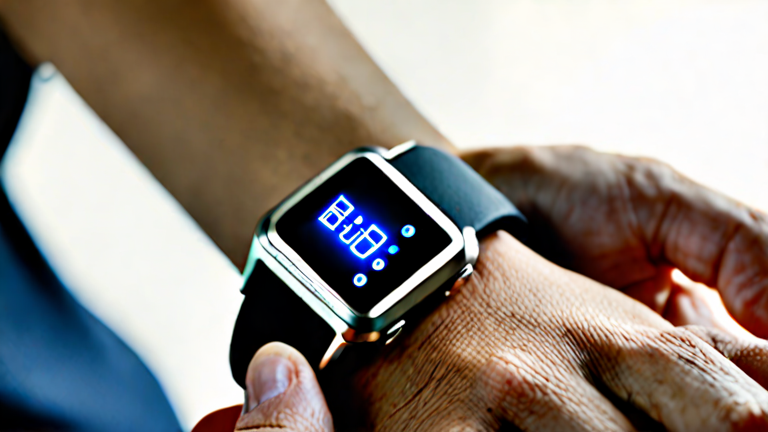
TL;DR: Wearable health sensors have transitioned from novelty gadgets to vital clinical tools by achieving rigorous validation and seamless integration with electronic health records. You need to know how to select FDA-cleared devices, ensure data interoperability, and prioritize patient privacy to build genuine clinical trust.
Step-by-Step Guide to Implementing Wearable Sensors Clinically
Building trust in wearable health technology requires a structured approach that addresses accuracy, usability, and security. Follow these steps to integrate devices into your clinical workflow effectively.
If you want to dig deeper, check out our guide on 7 Simple Daily Habits for Better Health That Actually Work.
Step 1: Evaluate Regulatory Status and Validation Data
Before recommending any wearable, verify its regulatory status. Look for FDA clearance or CE marking, which indicates the device has undergone rigorous testing for safety and efficacy. Review independent clinical studies that compare the device’s readings against gold-standard laboratory tests. Do not rely solely on manufacturer claims; seek peer-reviewed evidence that demonstrates consistent accuracy across diverse patient populations. This foundational step ensures that the data clinicians rely on is medically valid.
Step 2: Ensure Interoperability with Electronic Health Records
For a wearable to be clinically useful, its data must flow seamlessly into the patient’s medical record. Check if the device manufacturer supports standard data exchange protocols such as HL7 FHIR. Manual data entry is prone to error and reduces workflow efficiency. Ensure that the wearable’s app or backend system can automatically sync heart rate, blood pressure, glucose levels, or sleep data directly into your existing EHR platform. This integration allows for real-time monitoring and comprehensive patient views during consultations.
Step 3: Prioritize Data Privacy and Security
Health data is sensitive, and patients must feel secure sharing it with their providers. Confirm that the device complies with HIPAA (in the US) or GDPR (in Europe) regulations. Review the vendor’s data storage policies to understand where data is hosted and who has access to it. Transparent privacy policies build patient confidence. Clearly communicate to patients that their data is encrypted and used solely for their care, not for marketing or insurance underwriting, unless explicitly consented to.
Step 4: Train Staff and Educate Patients
Technology only works if it is used correctly. Provide training for nurses and physicians on how to interpret wearable data within the context of other clinical findings. Simultaneously, educate patients on proper device usage, such as wearing the watch on the correct wrist or applying sensors correctly. Address common misconceptions about accuracy and limitations. When patients understand the value and limitations of the tool, compliance improves, and trust deepens.
Step 5: Monitor Performance and Gather Feedback
After implementation, continuously monitor the device’s performance. Track metrics such as data transmission success rates, patient satisfaction scores, and clinical outcomes. Gather feedback from both clinicians and patients to identify friction points. Regularly update protocols based on this feedback. Continuous improvement demonstrates to stakeholders that the technology is a dynamic asset, not a static commodity, further solidifying its role in clinical care.
Tips for Success
Start with a pilot program in a single department to manage risk and refine processes. Choose devices with intuitive user interfaces to minimize adoption barriers. Maintain open communication channels with the vendor for rapid troubleshooting. Remember that the goal is better patient care, not just technology adoption. Keep the human element at the center of every decision.
FAQ
Q: Are all wearable health sensors clinically accurate?
A: No, not all wearables are clinically accurate. Consumer-grade devices may suffice for general wellness, but clinical decisions require devices with validated accuracy and regulatory clearance for medical use.
Q: How does data interoperability affect clinical trust?
A: Seamless data integration reduces manual errors and saves time, allowing clinicians to focus on care rather than data entry. This efficiency enhances the perceived reliability and utility of the technology.
Q: What is the biggest barrier to adopting wearables in clinics?
A: Data privacy concerns and lack of interoperability are
Leave a Reply