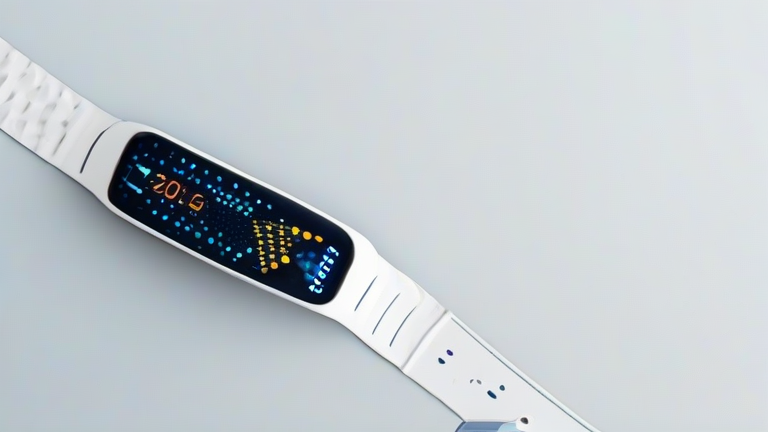
TL;DR: Wearable technology is moving beyond fitness tracking to detect early biomarkers of chronic and acute disease—such as irregular heart rhythms, glucose spikes, and oxygen desaturation—hours or days before symptoms appear. This shift creates a $30B+ market opportunity for device makers, health systems, and payers who can prove clinical validation and integrate data into reimbursement pathways.
Market Analysis: From Consumer Gadgets to Clinical Signal
The global wearable medical device market was valued at approximately $27.5 billion in 2024 and is projected to grow at a 19.3% CAGR through 2030, according to Grand View Research. The inflection point is sensor accuracy: optical heart rate, electrodermal activity, and continuous glucose monitors (CGMs) now achieve laboratory-grade precision in consumer form factors. Apple, Samsung, and Oura have each received FDA clearance for atrial fibrillation (AFib) detection or fall detection with cardiac correlation. Meanwhile, startups like Whoop and Dexcom are expanding into respiratory rate and lactate threshold monitoring, respectively.
If you want to dig deeper, check out our guide on Why the Rebirth of Vintage Levi’s 501s Is the Hottest Trend.
The most commercially attractive segments are (1) cardiac arrhythmia screening, (2) glycemic variability for prediabetes, and (3) respiratory decline detection (e.g., COVID-19, COPD exacerbations). Insurers are beginning to reimburse remote patient monitoring (RPM) codes for these wearables, with Medicare’s CPT 99453 and 99454 covering daily data collection. The market is bifurcating: consumer wearables (price $1,000) target chronic disease management and post-surgical monitoring.
Strategy Insights: Validation, Data Integration, and Prescription Pathways
Three strategic imperatives define success in early disease detection. First, prospective clinical validation is non-negotiable. A wearable that only works in a lab demo will fail payer scrutiny. Fitbit’s AFib algorithm, for example, was validated on 455,699 participants in the Fitbit Heart Study, achieving 98% positive predictive value for irregular heart rhythm detection—a benchmark that secured FDA clearance and subsequent Medicare coverage discussions.
Second, interoperability with EHRs determines adoption. Physicians will not log into a proprietary app. Leaders like Biobeat and Current Health (acquired by Best Buy Health) offer HL7/FHIR APIs that push continuous vital signs into Epic and Cerner. This enables automated alerts for clinicians, reducing alert fatigue via smart thresholds (e.g., >2% SpO2 drop sustained for 10 minutes).
Third, prescription-based distribution outperforms retail for disease detection. Instead of selling to consumers, partner with cardiology clinics or endocrinology groups. Dexcom’s G7 CGM is now prescribed off-label for prediabetes, and a 2023 study in Nature Medicine showed that continuous glucose monitoring reduced HbA1c by 0.5% in non-diabetic adults with obesity—a compelling value proposition for employers self-insuring health plans.
Case Studies: Proof of Clinical and Commercial Viability
Case 1: Apple Watch AFib Detection – The Apple Heart Study (2019) enrolled 419,093 participants, with 0.5% receiving irregular pulse notifications. Of those, 84% were confirmed to have AFib on subsequent ECG patch. Apple’s strategy was not just hardware—it integrated the ECG app, irregular rhythm notifications, and a linked cardiology workflow via the HealthKit API. Result: 1 in 4 consumers now cites heart health as a primary reason for wearable purchase (Deloitte, 2024).
Case 2: Masimo Radius PPG for COVID-19 Early Warning – Masimo’s wearable pulse oximeter was deployed in a 2022 study at Cedars-Sinai. It detected silent hypoxia (SpO2 < 92%) an average of 4.2 days before patients reported symptoms. The hospital integrated the data into its sepsis alert system,
Leave a Reply