TL;DR: Wearable technology has evolved from simple step counters to sophisticated medical-grade devices capable of monitoring chronic conditions like diabetes and hypertension in real-time. These devices represent the future of healthcare by enabling proactive, data-driven management of long-term health issues, significantly improving patient outcomes and quality of life.
The Evolution of Personal Health Monitoring
The landscape of healthcare is undergoing a profound transformation, driven by the rapid advancement of wearable technology. No longer limited to tracking basic fitness metrics such as steps taken or calories burned, modern wearables are equipped with advanced sensors that can monitor critical health indicators associated with chronic diseases. This shift marks a pivotal moment in medicine, moving from reactive treatment to proactive prevention and continuous management.
If you want to dig deeper, check out our guide on Circular Economy Drives Sustainable Fashion Trends.
Feature Highlights: Beyond Basic Tracking
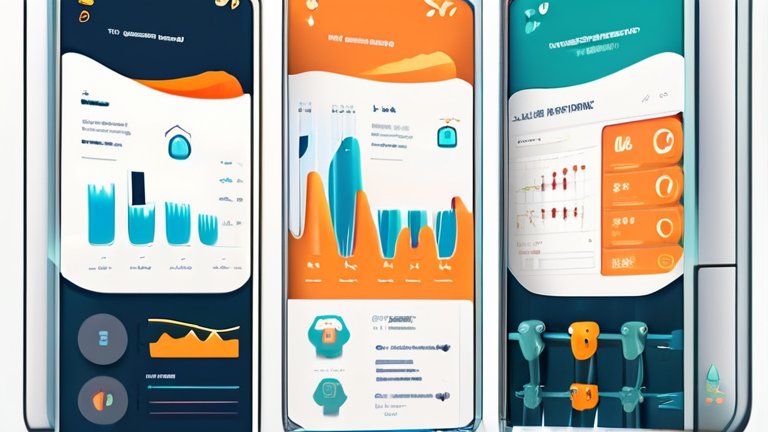
Modern wearable devices offer a suite of features specifically designed to assist individuals managing chronic conditions. For patients with cardiovascular issues, devices now provide continuous electrocardiogram (ECG) monitoring, capable of detecting atrial fibrillation and other irregular heart rhythms. This real-time data allows users and their healthcare providers to make informed decisions quickly, potentially preventing severe cardiac events.
For those living with diabetes, continuous glucose monitors (CGMs) have become a game-changer. These small, discreet sensors track blood sugar levels throughout the day and night, sending alerts when levels drop too low or rise too high. This functionality reduces the need for frequent finger pricks and empowers patients to maintain better glycemic control. Additionally, advanced wearables can monitor blood oxygen saturation (SpO2), sleep quality, and stress levels, providing a holistic view of a patient’s overall well-being.
Comparing Traditional Methods with Wearable Tech
Traditionally, managing chronic diseases relied heavily on periodic doctor visits and manual logging of symptoms. This approach often left gaps in data, making it difficult for healthcare providers to identify patterns or triggers. Wearable technology fills these gaps by providing a continuous stream of accurate, objective data. Unlike manual logs, which are prone to human error and forgetfulness, wearables automate the collection process, ensuring that no critical data point is missed.
Moreover, the integration of artificial intelligence (AI) in these devices allows for personalized insights. AI algorithms analyze long-term trends and can predict potential health issues before they become acute. This predictive capability is something that traditional methods simply cannot offer. While some may argue that wearables lack the precision of hospital-grade equipment, recent clinical trials have shown that many consumer-grade wearables are now sufficiently accurate for daily monitoring purposes, making them a reliable adjunct to professional medical care.
Embrace the Future of Health
The integration of wearable technology into chronic disease management is not just a trend; it is a necessary evolution in healthcare. By adopting these devices, patients can take greater control of their health, while healthcare providers can offer more personalized and effective treatments. We encourage you to explore the latest wearable devices on the market and discuss with your doctor how they can fit into your care plan. Don’t wait for a health crisis to prioritize your well-being; start monitoring your health today and empower yourself with knowledge.
FAQ
Q: Are wearable devices accurate enough for medical diagnosis?
A: While many wearables are FDA-cleared for specific metrics like ECG and blood oxygen, they are generally intended for wellness and monitoring purposes rather than definitive diagnosis. Always consult a healthcare professional for medical decisions based on wearable data.
Q: Can wearables replace regular doctor visits?
A: No, wearables complement but do not replace professional medical care. They provide valuable data that enhances doctor-patient interactions but cannot substitute for comprehensive clinical evaluations.
Q: Do wearables work with all smartphones?
A: Most major wearable brands support both iOS and Android operating systems, but compatibility varies by model. Check the specific device requirements before purchasing to ensure seamless integration with your phone.
Leave a Reply