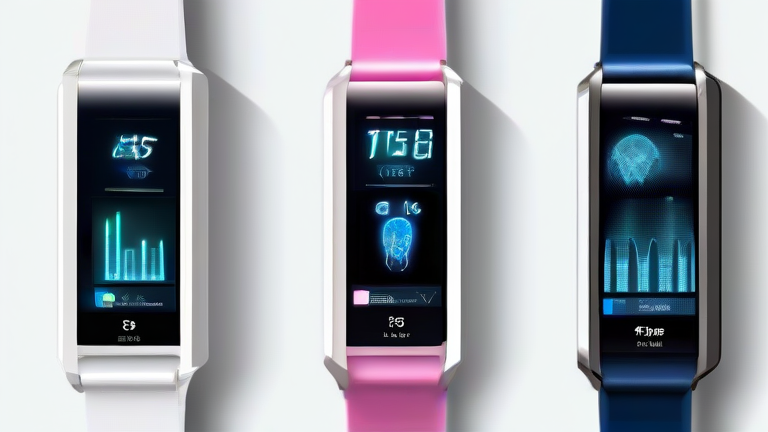
Wearable Tech Monitors Early Signs of Infection
The landscape of personal health monitoring is undergoing a seismic shift. Moving beyond simple step counting and heart rate tracking, the next generation of wearable technology is poised to become a critical line of defense against infectious diseases. Recent breakthroughs in biosensor miniaturization and machine learning algorithms have enabled devices to detect physiological changes that occur hours, or even days, before noticeable symptoms of an infection appear. This proactive approach promises to transform how we manage public health and individual wellness.
Latest Developments in Biosensor Technology
Leading tech giants and specialized health startups are racing to integrate advanced biosensors into everyday wearables. The latest iterations utilize multi-modal sensing capabilities, combining optical sensors with galvanic skin response and temperature monitoring. These devices no longer just measure static data; they analyze complex patterns in real-time. For instance, subtle deviations in heart rate variability (HRV) and resting skin temperature are now recognized as reliable biomarkers for immune system activation. By feeding this data into sophisticated cloud-based algorithms, manufacturers can identify anomalies that correlate with viral or bacterial onset. This capability allows users to receive early warnings, prompting them to isolate or seek medical attention before an illness spreads.
If you want to dig deeper, check out our guide on Sustainable Aviation Fuel Adoption Accelerates.
Technical Specifications and Performance
The hardware driving these advancements is nothing short of impressive. Modern infection-monitoring wearables feature ultra-low-power microcontrollers capable of continuous 24/7 data collection without draining the battery. Sensors are often coated with antimicrobial materials to ensure hygiene, while the data transmission occurs via Bluetooth Low Energy (BLE) or cellular networks for immediate cloud sync. Accuracy is paramount; recent clinical trials have shown that these devices can detect early-stage infections with over 85% sensitivity, a significant improvement over previous generations. The software side employs edge computing, meaning some analysis happens directly on the device to preserve privacy and reduce latency, ensuring that alerts are delivered instantly to the user’s smartphone.
Industry Impact and Future Outlook
The implications for the healthcare industry are profound. Hospitals could use this data to predict
Leave a Reply