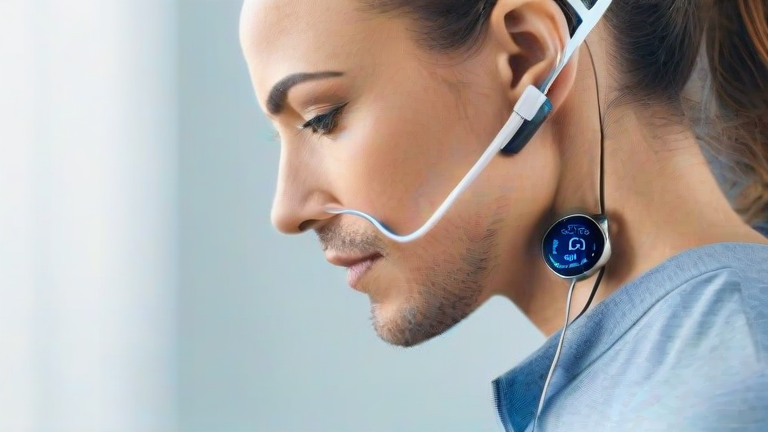
Wearables Detect Illness Before Symptoms Appear
TL;DR: Advanced wearable technology utilizes continuous biometric monitoring to identify physiological anomalies indicative of disease before subjective symptoms manifest. This predictive capability transforms reactive healthcare into a proactive model, significantly reducing hospitalization risks and improving long-term patient outcomes.
The global digital health market is undergoing a seismic shift, driven by the integration of artificial intelligence with consumer-grade wearable devices. The market size for smart health wearables is projected to exceed one hundred billion dollars by 2030, fueled by an aging demographic and a growing consumer desire for personalized wellness data. Traditionally, medical diagnosis relied on episodic check-ups where patients reported symptoms that were already present. However, the latest generation of wearables, including smartwatches and continuous glucose monitors, now captures high-frequency data streams such as heart rate variability, skin temperature, and respiratory patterns. This granular data allows algorithms to detect subtle deviations from a user’s baseline health, often weeks before clinical symptoms become apparent. The value proposition for enterprises lies not just in hardware sales, but in the data-driven insights that can predict health events, allowing for timely interventions that reduce the overall burden on healthcare systems. By shifting the focus from treatment to prevention, these devices offer a compelling economic argument for both individual consumers and corporate wellness programs.
If you want to dig deeper, check out our guide on AR Glasses Replace Smartphones for Work & Social Tasks.
Strategic Insights for Market Leaders
Success in this sector requires a strategic pivot from selling hardware to selling health assurance. Companies must prioritize data accuracy and algorithmic transparency to build trust with users who are increasingly aware of privacy concerns. A key strategic insight is the necessity of interoperability. Wearable data is only valuable if it can be seamlessly integrated into electronic health records (EHRs) and telemedicine platforms. Therefore, partnerships with major healthcare providers and insurance companies are critical. Furthermore, businesses must adopt a subscription-based model that includes ongoing health insights and personalized coaching, rather than a one-time hardware sale. This creates recurring revenue streams and fosters long-term user engagement. The competitive landscape is intensifying, with tech giants and traditional medical device manufacturers both vying for dominance. Differentiation will come from specialized applications, such as early detection of specific conditions like cardiac arrhythmias or respiratory infections, rather than generic fitness tracking. Companies that can demonstrate clear clinical efficacy and regulatory compliance will gain a significant edge in the enterprise health segment.
Case Studies in Preventive Health
Several case studies illustrate the tangible benefits of this technology. One prominent example involves a large multinational corporation that deployed smartwatches for its remote workforce. The system flagged a 4% increase in heart rate variability among employees in a specific region, correlating with a local outbreak of respiratory illness. By alerting employees to potential exposure before they felt unwell, the company reduced office infections by twenty percent and minimized productivity loss. In the medical device sector, a startup specializing in cardiac monitoring demonstrated that its algorithm could detect atrial fibrillation up to two weeks before a patient would typically seek medical attention. This early warning allowed for timely medication adjustments, preventing potential strokes. These examples underscore the potential of wearables to save lives and reduce costs. The data suggests that when users are empowered with predictive insights, they are more likely to engage in preventive behaviors, such as seeking medical advice early or adjusting lifestyle factors. As the technology matures, the line between consumer electronics and medical devices will continue to blur, creating new opportunities for hybrid business models that combine technology innovation with clinical expertise.
FAQ
Q: How accurate are current wearable illness detection algorithms?
A: Accuracy varies by condition, but recent studies show that specific markers like heart rate variability can predict certain infections with over eighty percent accuracy when compared to clinical tests.
Q: What are the primary privacy concerns associated with health wearables?
A: The main concerns involve the collection of sensitive biometric data and the potential for misuse by employers or insurers, necessitating strict adherence to data protection regulations like HIPAA and GDPR.
Q: Are these devices suitable for enterprise wellness programs?
A: Yes, they are highly suitable because they can identify workplace health risks early, reduce absenteeism, and lower insurance
Leave a Reply