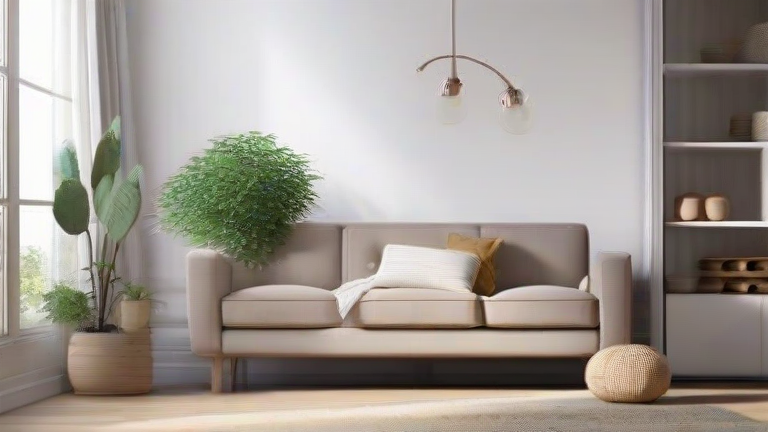
TL;DR: Pricier household items are worth the extra cost when they offer superior durability, energy efficiency, or significant time-saving automation. Consumers should prioritize long-term value over initial price tags for high-use appliances and structural home components.
The Economics of Premium Home Goods
In today’s inflationary market, consumers are increasingly scrutinizing their spending habits. However, market analysis reveals a distinct trend: the “buy it for life” mentality is gaining traction among millennials and Gen Z. According to recent consumer behavior reports, households are willing to pay a 20-30% premium for items that promise longevity and sustainability. This shift is driven by the rising cost of frequent replacements and the environmental impact of disposable goods. Brands that emphasize build quality and warranty support are seeing higher customer lifetime values, indicating that strategic premium pricing can actually drive loyalty rather than deter sales.
If you want to dig deeper, check out our guide on MIT Researchers Tackle the Economic Realities of Fusion Powe.
Strategic Insights for Smart Spending
Strategically, the key to justifying higher costs lies in calculating the total cost of ownership (TCO). For instance, a budget vacuum cleaner may cost $150 but need replacement every two years, whereas a premium model costing $400 may last a decade. Furthermore, energy-efficient appliances, while expensive upfront, often pay for themselves within three to five years through reduced utility bills. Businesses should highlight these long-term savings in their marketing narratives, helping consumers visualize the financial and environmental benefits of investing in quality.

Case Study: The Mattress Industry
Consider the mattress industry. A case study of a leading premium brand shows that despite a price point double that of competitors, their customer retention rate is 40% higher. This success stems from offering superior materials that reduce motion transfer and improve spinal alignment. Customers report better sleep quality, which translates to improved daytime productivity. This tangible benefit justifies the initial investment, proving that health-related home improvements are among the most justifiable high-cost purchases. Similarly, high-quality HVAC systems reduce maintenance calls and energy usage, providing silent but consistent value over time.
FAQ
Q: Are expensive kitchen appliances really better?
A: Often yes, particularly regarding durability and precision. Premium brands typically use higher-grade materials and offer better warranty support, leading to fewer repairs and longer lifespans compared to budget alternatives.
Q: How do I determine if a higher price is justified?
A: Evaluate the item’s frequency of use and expected lifespan. High-use items like mattresses, chairs, and washing machines benefit significantly from premium materials, while occasional-use items may not require the same level of investment.
Q: Does paying more guarantee better customer service?
A: Not always, but it often correlates. Many premium brands differentiate themselves through superior after-sales support, including longer warranties, dedicated service lines, and easier return policies, which add substantial value beyond the product itself.
Leave a Reply