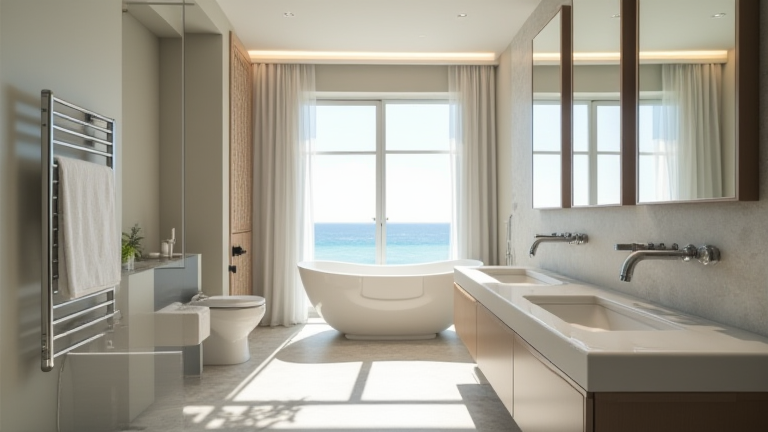
TL;DR: Hotels are removing traditional bathroom fans primarily to reduce operational costs and noise pollution, relying instead on advanced HVAC integration and door gaps for passive ventilation. This shift reflects a broader industry trend toward silent luxury and energy efficiency, despite potential compromises in moisture control and air quality.
The Shift Away from Mechanical Ventilation
In recent years, a noticeable trend has emerged in the hospitality sector, particularly within upscale and boutique hotels. Guests are increasingly finding that their en-suite bathrooms lack the traditional whirring exhaust fans that were once standard in almost every room. This change is not merely an aesthetic choice but a strategic decision driven by multiple factors ranging from acoustic comfort to energy consumption metrics. The primary driver is the desire for silence. Modern travelers prioritize rest, and the constant hum of a mechanical fan can disrupt sleep, especially in rooms with thin walls or open layouts. By removing these noisy units, hotels promise a quieter, more serene environment that aligns with the expectations of luxury accommodations.
If you want to dig deeper, check out our guide on Remote Workers Report Highest Well-being in 7,700-Employee S.
Technical Specs and Alternative Solutions
Without dedicated fans, how do these spaces manage moisture and odors? The answer lies in sophisticated building design and integrated systems. Many new constructions utilize under-door gaps specifically engineered to allow air circulation from the hallway or main room into the bathroom. This passive ventilation relies on pressure differentials created by central heating, ventilation, and air conditioning (HVAC) systems. Furthermore, architects are incorporating larger windows in bathroom areas to facilitate natural cross-ventilation when weather permits. In cases where natural airflow is insufficient, some high-end properties are installing discreet, low-decibel fans that are virtually inaudible, or integrating ventilation into the main room’s air circulation system. These solutions aim to maintain air quality without the auditory intrusion of traditional fans. However, this approach requires precise engineering to prevent mold growth and ensure that humidity levels remain within safe limits, which can be challenging in densely populated urban areas or climates with high ambient humidity.
Industry Impact and Guest Experience
The removal of bathroom fans has significant implications for the hospitality industry. On the positive side, it reduces initial installation costs and ongoing maintenance expenses. Mechanical fans require regular cleaning and occasional replacement, adding to the operational burden. Additionally, quieter rooms can command higher nightly rates, appealing to a demographic that values tranquility over mechanical efficacy. However, this trend is not without criticism. Health experts and some guests argue that passive ventilation is often insufficient, leading to dampness, mold, and lingering odors. This can negatively impact guest satisfaction scores and health perceptions. Hotels must strike a delicate balance between cost-saving measures and maintaining a hygienic, comfortable environment. The industry is now grappling with how to standardize these new ventilation methods to ensure consistency across different properties. As consumer awareness grows, there may be a pushback against this trend if guests perceive a decline in room quality. Ultimately, the success of this approach depends on the effectiveness of alternative ventilation strategies and the ability of hoteliers to communicate these changes transparently to their clientele.
FAQ
Q: Why are hotels removing bathroom fans?
A: Hotels are removing them to reduce noise pollution and lower operational costs, relying instead on passive ventilation and HVAC integration.
Q: How do hotels manage moisture without fans?
A: They use under-door gaps for air circulation, larger windows for natural ventilation, or discreet, low-decibel fans integrated into the room’s system.
Q: Is this trend safe for guest health?
A: While intended to improve comfort, some experts warn that passive ventilation may lead to humidity issues, requiring careful engineering to prevent mold.
Leave a Reply