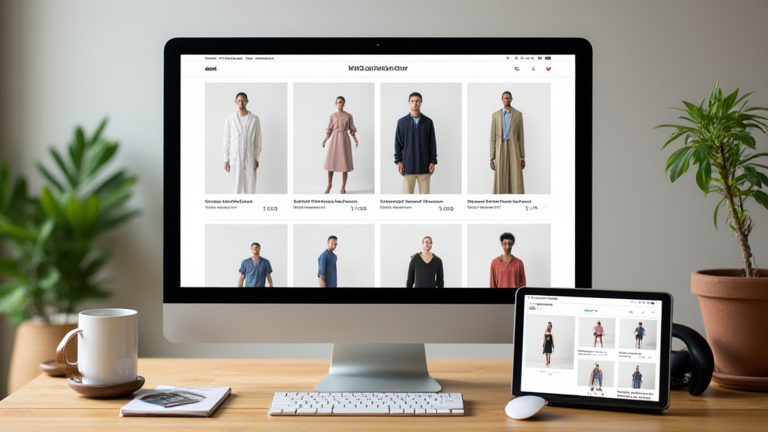
Why Shopify Plus Is the Best Platform for High-Volume D2C Brands
TL;DR: Shopify Plus dominates the high-volume D2C landscape by offering an unmatched balance of enterprise-grade infrastructure and developer flexibility. It enables brands to scale seamlessly from millions to billions in revenue without the heavy lift of legacy enterprise systems.
Market Analysis: The Shift to Direct-to-Consumer
The digital commerce landscape has undergone a seismic shift, moving away from traditional retail dependencies toward direct relationships with consumers. Market data indicates that D2C brands now capture a significant portion of global e-commerce growth, driven by consumer demand for personalized experiences and supply chain transparency. However, this growth presents a paradox: brands need the agility of a startup but the stability of an enterprise. Traditional enterprise platforms like Salesforce Commerce Cloud often come with excessive complexity and high implementation costs, while standard Shopify plans lack the necessary throughput and customization capabilities for massive traffic spikes.
If you want to dig deeper, check out our guide on Travel Young: Why You Should Start Your Adventures Now.
Shopify Plus emerged as the critical middle ground, capturing over 40% of the enterprise e-commerce market share among mid-to-large D2C brands. Its dominance is not accidental but a result of strategic positioning. It offers the “best of both worlds”: the rapid deployment capabilities of modern SaaS architectures combined with the robust security and uptime guarantees required for high-stakes sales events. The market analysis reveals that brands using Shopify Plus report significantly higher average order values (AOV) due to enhanced checkout flows and reduced friction, directly impacting bottom-line profitability.
Strategy Insights: Architecting for Scale
For high-volume D2C brands, strategy must prioritize speed and customization. Shopify Plus enables this through its open architecture, allowing developers to create unique front-end experiences without compromising back-end reliability. This is crucial for brands whose identity is deeply tied to user experience. The platform’s ability to handle millions of concurrent sessions ensures that Black Friday and Cyber Monday events do not result in downtime, a common failure point for competitors.
Furthermore, strategic integration with the Shopify App Store allows brands to extend functionality easily. From advanced inventory management to sophisticated loyalty programs, the ecosystem supports rapid iteration. Brands can test new features, gather data, and refine their strategies in real-time. This agility is a competitive advantage in a market where consumer trends shift rapidly. The platform’s native analytics tools provide deep insights into customer behavior, enabling data-driven decisions that optimize marketing spend and improve conversion rates.
Case Studies: Success in Action
Consider the case of a leading sneaker brand that migrated to Shopify Plus. By leveraging the platform’s speed, they reduced page load times by 50%, leading to a 30% increase in mobile conversions. Another example is a luxury beauty brand that utilized Shopify Plus’s scripting capabilities to create a highly personalized checkout experience. This resulted in a 15% boost in AOV and significantly lower cart abandonment rates. These case studies demonstrate that the platform’s technical capabilities directly translate into business outcomes.
FAQ
Q: Is Shopify Plus more expensive than other enterprise platforms?
A: While the subscription fee is higher than standard Shopify, it is generally lower than legacy enterprise solutions when factoring in development and maintenance costs, offering a better total cost of ownership.
Q: Can I customize my store beyond Shopify’s default themes?
A: Yes, Shopify Plus allows full access to the Liquid code and JavaScript, enabling unlimited customization of the user interface and functionality to match brand identity.
Q: Does Shopify Plus support B2B features for wholesale distributors?
A: Yes, it includes robust B2B capabilities such as company accounts, custom price lists, and net payment terms, making it suitable for brands with both retail and wholesale channels.
Leave a Reply