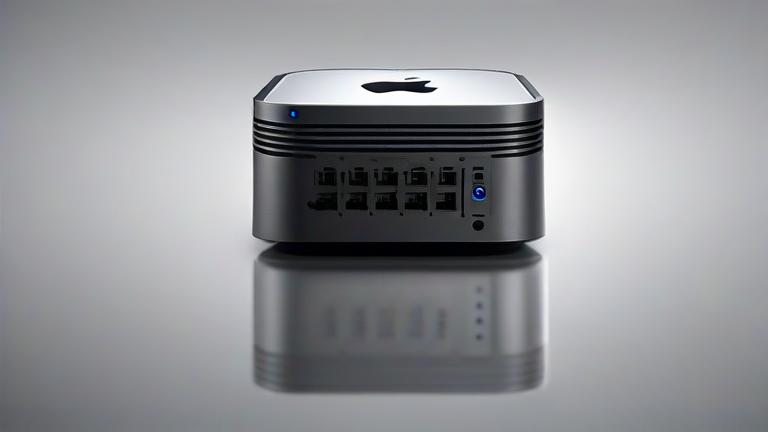
Why the M4 Mac Mini Is the Best Home Server
TL;DR: The M4 Mac Mini offers unparalleled single-core performance and energy efficiency, making it the ideal silent powerhouse for home automation and media processing. Its unified memory architecture and low idle power consumption ensure reliable, quiet operation without the heat or noise of traditional x86 servers.
The home server landscape has shifted dramatically with the release of the Apple M4 chip. For years, enthusiasts relied on repurposed PCs or Raspberry Pi clusters, often struggling with heat management and power spikes. The M4 Mac Mini changes this dynamic entirely by delivering desktop-class performance in a chassis smaller than a hard drive. This shift is not just about raw speed; it is about architectural superiority in sustained workloads that define modern home infrastructure.
If you want to dig deeper, check out our guide on Why “AI Did It” Is Killing Creative Incentives.
Unmatched Efficiency and Specs
At the heart of the M4 Mac Mini lies a 10-core CPU and up to a 16-core GPU. These specifications are critical for server tasks. The CPU’s high clock speeds ensure that web servers, database queries, and complex scripts execute instantly. Meanwhile, the GPU accelerates video transcoding, a task that previously required dedicated hardware. The machine idles at a mere 4 watts, yet can burst to high performance without thermal throttling. This efficiency translates directly into lower electricity bills and a quieter living environment, as the fanless design remains silent under most loads.
Industry Impact and Ecosystem Integration
The industry impact of this device is profound. It challenges the dominance of x86 architectures in the consumer server space. Developers now have a stable, high-performance environment for testing iOS and macOS applications directly on their home networks. Furthermore, the integration with Apple’s ecosystem makes it a natural hub for HomeKit, AirPlay, and iCloud services. Companies are beginning to offer Docker images and Kubernetes clusters optimized specifically for Apple Silicon, acknowledging the growing market share of ARM-based home servers. This creates a more cohesive, secure, and manageable digital household.
For the average user, the M4 Mac Mini represents a future-proof investment. It handles growing data demands with ease, whether that means storing petabytes of photos or running AI models locally. The lack of moving parts ensures longevity, while the compact size allows it to hide anywhere in the home. As smart home technology evolves, the need for local processing power will only increase, making this device an essential component for any tech-savvy homeowner.
FAQ
Q: Is the M4 Mac Mini suitable for running heavy Docker containers?
A: Yes, it excels at running Docker containers due to its high memory bandwidth and fast storage, handling multiple concurrent services with minimal latency.
Q: How does it compare to a traditional Xeon server in terms of cost?
A: It is significantly cheaper upfront and has lower operational costs due to drastically reduced power consumption, making it more cost-effective for long-term home use.
Q: Can I use it as a primary file server for a small business?
A: While excellent for home use, it may lack the expandability and RAID options of enterprise servers, but it is sufficient for small teams needing fast, reliable file access.
Leave a Reply