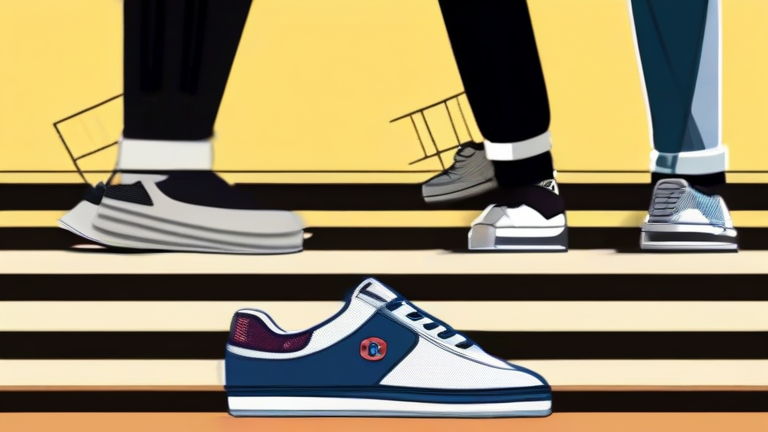
TL;DR: The retro aesthetic in sneakers is dominating streetwear because it offers a tangible sense of authenticity and nostalgia in an increasingly digital, hyper-synthetic market. Consumers are trading futuristic tech for familiar, lived-in silhouettes from the 80s and 90s, driven by vintage resale culture and a reaction against “over-designed” footwear.
The Numbers Behind the Throwback
Market data confirms this isn’t just a fleeting mood. According to a 2024 report by Circana, sales of “retro-inspired” sneaker silhouettes—those with design cues from before 2000—grew by 23% year-over-year, outpacing the overall athletic footwear segment (which grew only 6%). Meanwhile, the global resale platform StockX reported that its top five most-traded sneakers in Q4 2024 were all retro models: the Nike Dunk Low, Air Jordan 1 High OG, New Balance 550, Adidas Samba, and Asics Gel-Kayano 14. Notably, the Samba alone saw a 1,400% increase in search volume since 2022, pushing Adidas to triple production capacity for the silhouette. This shift is not limited to hypebeasts; mass-market retailers like Foot Locker now allocate 40% of their premium wall space to “heritage” styles, up from 15% in 2021.
If you want to dig deeper, check out our guide on Autonomous Delivery Robots: Revolutionizing Urban Logistics.
Why Now? The Anti-Tech Reaction
Industry experts point to a saturation point in performance-driven design. “For two decades, we pushed carbon plates, self-lacing systems, and knit uppers. The consumer got fatigued,” notes footwear analyst Maria Chen of The NPD Group. “The retro sneaker is the visual opposite—it’s leather, suede, and simple stitching. It signals taste, not technology.” This is amplified by the “grandpacore” trend on TikTok, where creators pair chunky, off-white sneakers with tailored trousers. The aesthetic also thrives on scarcity through vintage channels—a 1994 pair of Air Max 95s in deadstock condition can fetch 5x its original price, creating a halo effect that elevates new releases with the same colorways. The psychological driver is nostalgia for a “simpler time” pre-smartphone, offering a tactile anchor in a digital-first world.
Future Predictions: The Retro Will Evolve
Expect this wave to crest but not crash. We predict a “neo-retro” hybrid by 2026: brands will keep the chunky midsole and off-white palette but inject modern comfort—like OrthoLite insoles or recycled rubber outsoles—without visible tech branding. Look for a shift away from the most saturated models (Dunks and Sambas) toward lesser-known archival gems from brands like Diadora, Reebok, and Puma’s Clyde series. Additionally, the sustainability angle will strengthen: retro designs use fewer synthetic materials, making them easier to reproduce with eco-friendly leathers. The resale market will cool slightly but remain strong, with vintage pieces becoming a legitimate investment asset class. In short, retro isn’t a trend—it’s the new baseline for streetwear credibility.
FAQ
Q: Will the retro sneaker trend die out in 2025?
A: No. Market data shows a 23% growth rate for retro silhouettes, and brands are locking in production for the next 18 months. However, the most hyped models (Dunk, Samba) will plateau, while niche archival models will rise. The aesthetic is now a permanent fixture of streetwear, not a seasonal fad.
Q: Are retro sneakers comfortable for daily wear?
A: Generally yes, but with caveats. Original 80s/90s tooling had minimal cushioning. Modern retro releases often include updated foam (e.g., Adidas’ Samba with a thicker insole, or New Balance’s 550 with a C-Cap midsole). For all-day wear, look for “retro reissue” lines that maintain the look but upgrade comfort. Vintage originals are best for short periods.</p
Leave a Reply