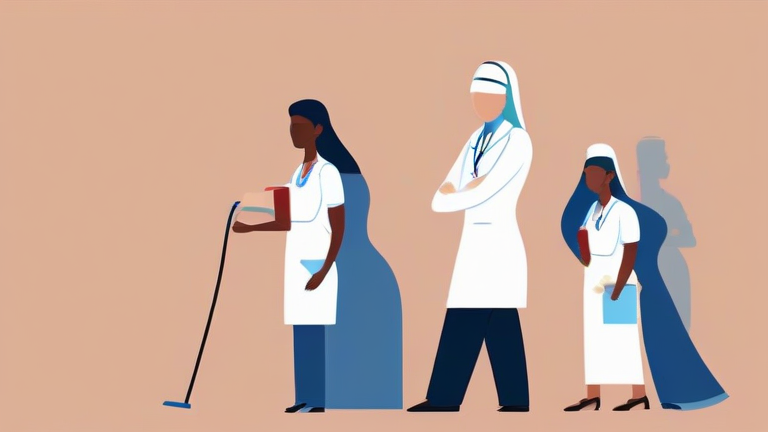
TL;DR: Women constitute approximately 70% of the global health workforce, yet they remain disproportionately affected by a projected shortage of 34 million health workers by 2030. Addressing this crisis requires systemic policy changes, equitable resource allocation, and targeted wellness initiatives to retain female medical professionals.
The Gendered Reality of Global Health
According to the World Health Organization, the global health workforce is heavily feminized, with women making up roughly 70% of all health workers. This statistic is not merely a demographic footnote; it represents a critical vulnerability in global health security. As nations face an unprecedented shortfall of 34 million doctors and nurses by 2030, the burden of closing this gap falls largely on women. They are the backbone of primary care, midwifery, and nursing, yet they often work in under-resourced environments with fewer protections and lower compensation than their male counterparts. This disparity exacerbates burnout, driving experienced professionals out of the field and widening the service gap for vulnerable populations.
If you want to dig deeper, check out our guide on Shopify Store Audit: Fix These 10 Conversion Killers.
Science-Backed Strategies for Retention and Wellness
To mitigate the impact of this shortage, healthcare systems must prioritize the well-being of their female workforce. Research in occupational health indicates that chronic stress and lack of autonomy are primary drivers of turnover in nursing and allied health roles. Therefore, institutions must implement evidence-based wellness programs that go beyond superficial perks. Cognitive Behavioral Therapy (CBT) and mindfulness-based stress reduction (MBSR) have been proven to reduce anxiety and improve emotional regulation in high-stress medical environments. Integrating these practices into mandatory onboarding and continuing education can help staff manage the emotional toll of caregiving.
Furthermore, lifestyle factors play a pivotal role in sustaining long-term career longevity. Sleep hygiene is often neglected by night-shift workers, leading to cognitive decline and increased error rates. Experts recommend consistent sleep schedules, even on days off, to stabilize circadian rhythms. Additionally, nutritional support is crucial. A diet rich in omega-3 fatty acids, antioxidants, and complex carbohydrates helps combat inflammation and supports mental clarity. Healthcare facilities should consider providing subsidized access to nutritious meals and fitness resources to empower staff to maintain their physical health.
Equity as a Health Strategy
Ultimately, solving the 34 million worker shortage is not just a recruitment challenge; it is a retention and equity challenge. By investing in the physical and mental health of women in healthcare, we stabilize the workforce and improve patient outcomes globally. Policy makers must ensure that safety measures, fair wages, and professional development opportunities are standard, not exceptions. When health workers are supported, the entire system becomes more resilient. We must view the wellness of these women not as an expense, but as a fundamental component of public health infrastructure. Only by honoring the contributions and needs of the majority of our health workforce can we hope to meet future healthcare demands effectively and compassionately.
FAQ
Q: Why is the gender gap in health workers significant for global health?
A: It creates a systemic vulnerability where the majority of the workforce faces higher burnout rates and lower pay, risking the stability of primary care services that rely heavily on female professionals.
Q: What are the most effective wellness interventions for healthcare staff?
A: Evidence-based strategies include mindfulness training, cognitive behavioral therapy, consistent sleep hygiene practices, and access to nutritious food options to support both mental and physical resilience.
Q: How can individuals support the retention of female health workers?
A: Advocating for equitable policies, respecting professional boundaries, and supporting institutional investments in staff wellness programs can help reduce turnover and improve the working environment for women in healthcare.
Leave a Reply