
How Digital Twins Are Transforming Urban City Planning
Imagine a city that breathes, adapts, and heals itself in real-time. This is not science fiction; it is the emerging reality of digital twins in urban planning. A digital twin is a virtual replica of a physical system, leveraging IoT sensors, AI, and big data to simulate urban dynamics. While initially developed for industrial engineering, this technology is revolutionizing how we design healthier, more sustainable communities. For the modern urban dweller, understanding this shift is crucial, as it directly impacts your daily air quality, stress levels, and access to green spaces.
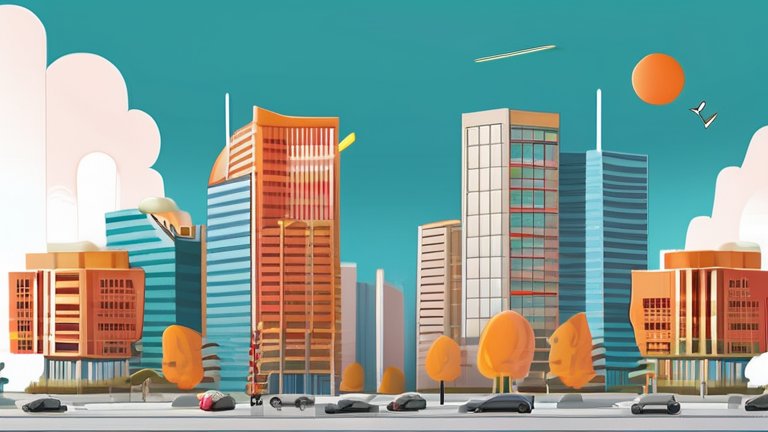
The health implications are profound. By simulating traffic flow and pollution dispersion, city planners can identify “heat islands” and poor air quality zones before they become public health crises. Science-backed studies confirm that exposure to high levels of particulate matter increases the risk of respiratory and cardiovascular diseases. Digital twins allow planners to test interventions, such as adding green roofs or pedestrianizing streets, predicting their impact on public health metrics. This proactive approach ensures that urban environments support, rather than hinder, well-being.
If you want to dig deeper, check out our guide on Neurotechnology for Remote Work: Enhance Focus & Productivit.
For individuals, this technological shift offers actionable lifestyle tips. First, utilize smart city apps that integrate digital twin data. Many metropolitan areas now provide real-time air quality indexes and noise level maps. Use this information to plan outdoor exercises during peak air quality hours, typically early morning, to minimize respiratory strain. Second, advocate for green infrastructure. When you hear about new park developments or green corridors, recognize them as data-driven health interventions. Engage with local planning committees to support these evidence-based projects.
Moreover, digital twins enhance emergency response. During heatwaves or floods, simulations can predict vulnerable populations and optimize resource allocation. This resilience is a cornerstone of long-term health security. As cities become smarter, they become safer. The integration of AI-driven urban models means that infrastructure decisions are no longer based on guesswork but on precise, predictive analytics that prioritize human health.
10 Science-Backed Health Tips to Boost Your Energy Today
Leave a Reply