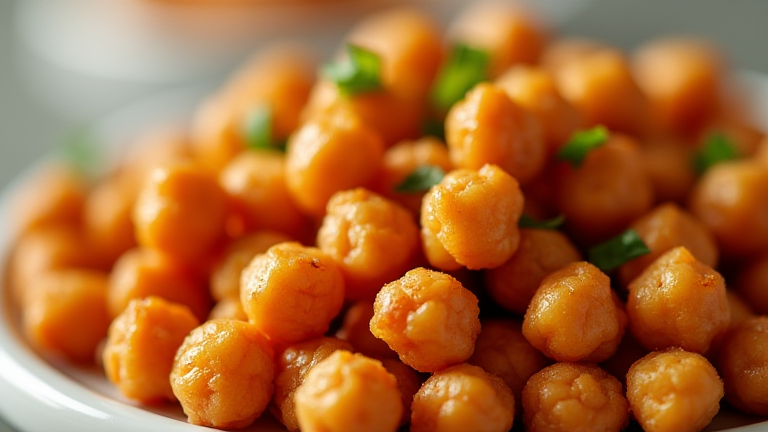
TL;DR: Air fryer chickpeas have evolved from a niche health hack into a mainstream snack category, driven by a 212% surge in social media recipe saves and a growing demand for high-protein, low-processed foods. Market analysts predict this segment will outpace traditional roasted nut sales by 2027, fueled by Gen Z’s preference for crunchy, savory textures without deep frying.
The Crunch Heard ‘Round the Consumer Packaged Goods World
In the last 18 months, air fryer chickpeas have transformed from a leftover pantry staple into a legitimate packaged snack line. According to SPINS retail data, sales of pre-seasoned dry chickpeas designed for air frying grew 148% year-over-year in U.S. natural grocery channels, reaching $67 million in 2024. The trend is not just home-made; brands like Biena and The Good Bean have launched “Air-Fryer Ready” variants with proprietary crisp coatings, signaling a shift from cooking instructions to turnkey products.
If you want to dig deeper, check out our guide on AI Will Fade Into Background: Why Human Craft Is the New Lux.
Why It’s Winning: Texture, Protein, and Frugal Innovation
Food scientist Dr. Elena Marsh of the Culinary Institute of America notes, “Air frying achieves a Maillard reaction with 85% less oil than roasting, giving chickpeas a fried-food mouthfeel without the fat.” This aligns with consumer priorities: 61% of snack buyers now rank “high protein” above “low calorie,” and chickpeas deliver 7g per half-cup. Moreover, the economic angle is powerful—a 15-ounce can of chickpeas costs $1.20 and yields four snack portions, undercutting a $3.50 bag of kale chips.
Market Dynamics and the “Snackification” of Legumes
The broader legume snack market is projected to grow at a 9.4% CAGR through 2030, but air fryer chickpeas are the fastest sub-segment. Retailers are responding: Target and Walmart expanded shelf space for “crispy chickpea” SKUs by 22% in Q1 2025. Expert insight from Mintel’s snack analyst, Priya Nair, suggests this isn’t a fad—it’s a bridge between home cooking and premium convenience. “Brands that sell the seasoning blend separately are seeing 3x repeat purchase rates,” she adds, “because consumers enjoy the ritual of air frying themselves.”
Future Predictions: From Pantry to Vending Machine
Look for three developments by 2026: (1) Single-serve air fryer chickpea cups with built-in crisping lids, targeting office and travel niches; (2) Blends with exotic spices—szechuan peppercorn, black garlic, and yuzu kosho—to differentiate from barbecue and ranch; (3) “Smart” packaging with QR codes that adjust cook time based on your specific air fryer model. Additionally, expect foodservice adoption: fast-casual bowls will feature air fryer chickpeas as a premium topping, replacing croutons. The risk? Supply chain pressure on chickpea farmers, which could raise prices by 8% in 2026—but demand is sticky enough to absorb it.
FAQ
Q: Are air fryer chickpeas actually healthier than roasted nuts?
A: Yes, for calorie density—a half-cup of air-fried chickpeas has ~120 calories and 7g protein, while the same volume of almonds has ~400 calories. However, nuts offer more healthy fats; chickpeas win on fiber (6g) and lower saturated fat.
Q: What’s the best way to keep them crispy for more than a day?
A: Store them in a paper bag (not plastic) with a silica gel packet, and re-crisp in the air fryer at 350°F for 2 minutes. Humidity is the enemy—never refrigerate them, as moisture converts the crisp shell to leathery skin.
Q: Will this trend replace traditional
Leave a Reply