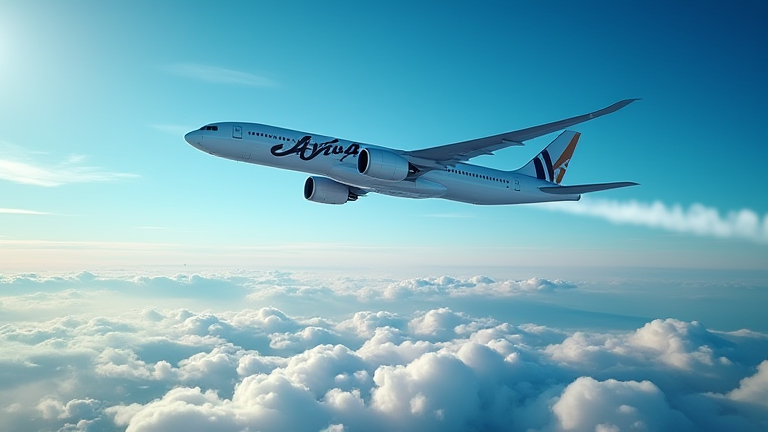
Sustainable Aviation Fuel: Scaling for Commercial Flights
TL;DR: Sustainable Aviation Fuel (SAF) offers a drop-in solution to reduce carbon emissions without modifying existing aircraft engines. However, widespread adoption requires significant investment in production infrastructure and policy support to bridge the current price gap with conventional jet fuel.
For the frequent flyer, the thought of a carbon footprint often lingers long after the suitcase is packed. The aviation industry, a cornerstone of global culture and personal freedom, stands at a critical juncture. While electric planes promise a future of silent, zero-emission short hops, the reality of long-haul travel today relies heavily on jet fuel. This is where Sustainable Aviation Fuel steps in, not just as a technical fix, but as a cultural pivot toward responsible leisure and business travel. It allows us to maintain the connectivity that defines our modern lifestyle while mitigating our environmental impact.
If you want to dig deeper, check out our guide on 7 Shopify Store Fixes That Boost Sales.
The challenge is not technological; SAF can be blended with standard jet fuel in existing aircraft. The barrier is economic and logistical. Producing SAF from non-food biomass, waste oils, or captured carbon is currently far more expensive than extracting petroleum. For the traveler, this translates to a complex decision: do we pay more for a greener flight, or do we reduce travel frequency? As airlines like United and Delta begin offering carbon offsets or SAF-backed tickets, the market is slowly educating consumers on the value of sustainable mobility. It is a shift from viewing travel as an entitlement to seeing it as a shared responsibility.
Scaling this technology requires more than just chemistry; it demands a new kind of cultural dialogue. Governments must implement mandates and subsidies to make SAF competitive, while consumers must demand transparency. The rise of eco-conscious tourism suggests that travelers are willing to adapt. Imagine a future where booking a flight includes a clear breakdown of the fuel source, similar to how we now scrutinize the ingredients in our food or the origin of our coffee. This transparency fosters trust and drives demand. Personal growth in this context involves redefining luxury. True luxury is no longer just first-class comfort; it is the peace of mind that comes from participating in a system that respects planetary boundaries.
The path to commercial scale is steep, but the destination is clear. By integrating SAF into our travel habits, we contribute to a broader narrative of sustainability. It is about preserving the ability to explore the world, not just for ourselves, but for generations to come. The next time you board a plane, consider the fuel powering your journey. It might just be the key to keeping the skies open for future adventures.
FAQ
Q: Is SAF currently available for commercial flights?
A: Yes, many major airlines now offer flights powered by SAF blends, though availability is limited to specific routes and requires pre-booking or carbon offset purchases.
Q: How does the cost of SAF compare to regular jet fuel?
A: SAF is currently significantly more expensive, often costing two to four times more than conventional jet fuel, due to lower production volumes and higher raw material costs.
Q: Can I tell if my flight uses sustainable fuel?
A: Usually, you cannot see a direct label on your ticket, but many airlines publish reports on their SAF usage and offer specific sustainable travel options or offsets during the booking process.
Leave a Reply