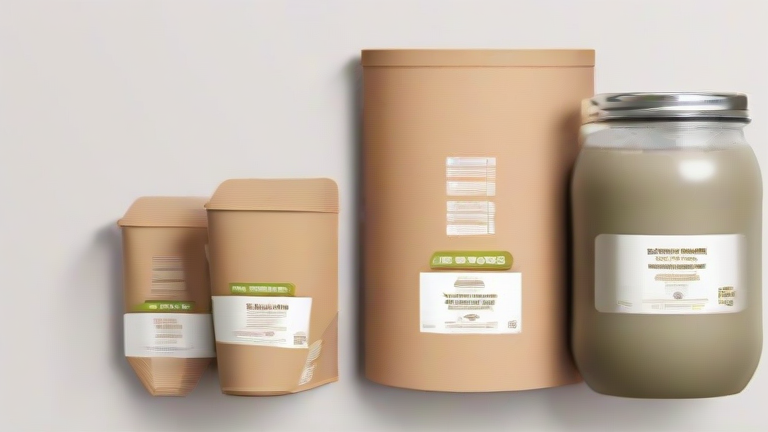
Biodegradable Packaging Replaces Plastic: Why It Matters
The global crisis of plastic pollution has reached a tipping point. Oceans are choked with microplastics, and landfills are overflowing with materials that take centuries to decompose. Switching to biodegradable packaging is no longer just a trendy eco-friendly choice; it is a critical imperative for the health of our planet. This guide provides a step-by-step approach to making the transition, helping businesses and consumers reduce their environmental footprint effectively.
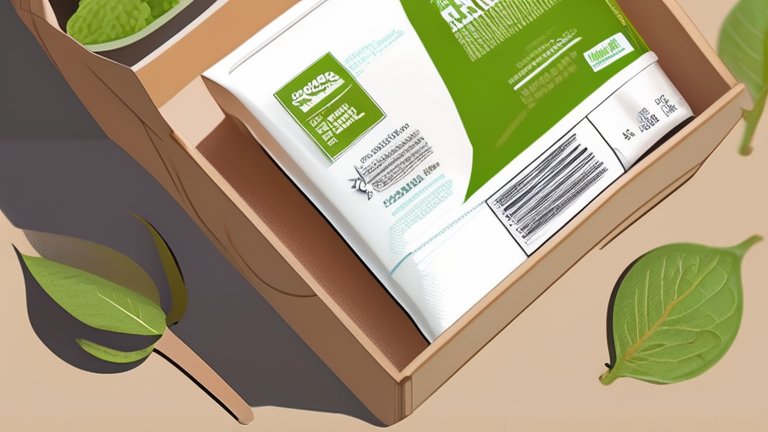
Step 1: Assess Your Current Packaging Needs
Begin by auditing every item your product or service requires for shipping and storage. Identify which components are single-use plastics that can be easily swapped. Common candidates include poly mailers, bubble wrap, tape, and void fill. Understanding the specific function of each item allows you to find precise biodegradable alternatives rather than making generic changes that might compromise product safety.
If you want to dig deeper, check out our guide on Wearable Tech Predicts Health Crises: The Future of Wellness.
Step 2: Source Certified Materials
Not all “green” packaging is truly biodegradable. Many plastics are merely degradable, meaning they break into smaller microplastics rather than decomposing completely. Look for certifications such as BPI (Biodegradable Products Institute) or ASTM D6400 compliance. These labels guarantee that the material will break down into natural elements like water, carbon dioxide, and biomass within a specific timeframe in industrial composting facilities. Avoid vague terms like “eco-friendly” without backing documentation.
Step 3: Test Durability and Protection
Before fully committing to a new supplier, conduct rigorous testing. Drop tests, moisture resistance checks, and temperature stability evaluations are essential. Biodegradable materials, such as mushroom mycelium or cornstarch-based polymers, must protect your goods just as well as conventional plastics.
Leave a Reply