Category: Uncategorized

  • Metaverse Education: Creating Immersive Learning Experiences

    Metaverse Education: Creating Immersive Learning Experiences

    Metaverse Education: Creating Immersive Learning Experiences

    The integration of virtual reality and augmented reality into educational frameworks is no longer a futuristic concept but a present-day reality. As educators and institutions seek to enhance student engagement, the metaverse offers unparalleled opportunities for immersive learning. This guide outlines the essential steps to create compelling virtual classrooms that transform passive listening into active participation.

    Step 1: Define Clear Educational Objectives

    Before diving into technology, you must establish what you want to achieve. Immersive environments are powerful tools, but they must serve a pedagogical purpose. Ask yourself: Does this virtual scenario help students visualize complex abstract concepts? Can it provide safe spaces for practicing high-risk skills, such as surgical procedures or chemical experiments? By aligning your technological choices with specific learning outcomes, you ensure that the experience is meaningful rather than merely entertaining.

    If you want to dig deeper, check out our guide on Top 10 Emerging Trends You Can’t Ignore in 2024.

    Step 2: Choose the Right Platform

    Not all metaverse platforms are created equal. Some are designed for social interaction, while others focus on collaboration and creation. For higher education, platforms like ENGAGE or Mozilla Hubs offer robust features for lectures and interactive workshops. For K-12 environments, consider child-safe platforms with simplified interfaces. Evaluate each option based on ease of use, hardware requirements, and integration capabilities with your existing learning management systems. Ensure that the chosen platform supports the specific type of immersion you require, whether it be 2D avatars in a 3D space or full-body tracking.

    Step 3: Design Interactive Scenarios

    Static virtual rooms are less engaging than dynamic, interactive environments. Create scenarios where students must solve problems, manipulate objects, or collaborate with peers to achieve a goal. For example, a history lesson could involve walking through a reconstructed ancient city, allowing students to interact with historical figures and artifacts. Use gamification elements to reward exploration and critical thinking. The key is to move beyond observation to participation, ensuring that learners are active agents in their educational journey.

    The Ultimate Beginner’s Guide to SEO: Step-by-Step Tutorial

  • 10 Proven Strategies to Scale Your Business in 2024
  • EU AI Act Enforcement Drives Global Compliance Standards

    EU AI Act Enforcement Drives Global Compliance Standards

    EU AI Act Enforcement Drives Global Compliance Standards

    The European Union’s Artificial Intelligence Act is no longer just a theoretical framework; it is a tangible reality reshaping the digital landscape. As the world’s first comprehensive AI law, it sets a rigorous benchmark for risk management, transparency, and accountability. For global organizations, navigating this new regulatory environment is not merely a legal obligation but a strategic imperative. This review analyzes how the enforcement of the EU AI Act is rapidly becoming the de facto global standard for AI compliance, forcing companies worldwide to adapt their operations to meet these high expectations.

    Key Feature Highlights

    At the core of the EU AI Act is a risk-based approach that categorizes AI systems into four distinct levels: unacceptable risk, high risk, limited risk, and minimal risk. The act mandates strict conformity assessments for high-risk systems, such as those used in critical infrastructure, education, and employment. A standout feature of this legislation is the requirement for robust data governance. Organizations must ensure that training datasets are relevant, representative, and free from biases that could lead to discriminatory outcomes. Furthermore, the act emphasizes human oversight, ensuring that automated decisions remain subject to meaningful human intervention. These features collectively create a safety net that protects fundamental rights while fostering innovation within safe boundaries.

    If you want to dig deeper, check out our guide on The Ultimate Beginner’s Guide to SEO: Step-by-Step Tutorial.

    Global Comparisons and Market Impact

    While the United States adopts a more sector-specific and voluntary approach to AI regulation, and China focuses on algorithmic filing and content control, the EU’s comprehensive model is increasingly influencing international standards. Multinational corporations, facing the complexity of operating in multiple jurisdictions, are finding it more efficient to adopt the EU’s stringent standards globally. This “Brussels Effect” means that compliance tools designed for the EU AI Act are becoming essential assets for any company aiming for international market access. Competitors who fail to align with these standards risk significant fines, which can reach up to 7% of global annual turnover, making early adoption a critical competitive advantage.

    Moreover, the act’s emphasis on transparency empowers consumers, who now have the right

    Related Articles

  • 10 Proven Business Growth Strategies for 2026

    10 Proven Business Growth Strategies for 2026

    10 Proven Business Growth Strategies for 2026

    The business landscape of 2026 is defined by rapid technological advancement, shifting consumer behaviors, and an increasingly competitive global market. As organizations navigate economic volatility, the focus has shifted from mere survival to sustainable, scalable growth. This article explores ten proven strategies that forward-thinking companies are adopting to thrive in this dynamic environment, supported by market analysis and real-world case studies.

    Market Analysis: The New Normal

    Recent market analysis indicates that consumer trust is at an all-time low, making authenticity and transparency more valuable than ever. According to recent data, 70% of consumers are willing to pay more for sustainable products, signaling a significant shift in purchasing power. Furthermore, the rise of AI-driven personalization has become a baseline expectation rather than a luxury. Companies that fail to leverage data analytics for hyper-personalized experiences risk losing market share to agile competitors who do.

    If you want to dig deeper, check out our guide on The Ultimate Beginner’s Guide to SEO: Step-by-Step Tutorial.

    Additionally, the remote work revolution has solidified hybrid models as the standard. This shift has expanded talent pools globally but has also intensified the war for top-tier remote talent. Businesses must adapt their operational frameworks to support distributed teams effectively while maintaining strong company cultures.

    Strategy 1: Embrace AI-Driven Personalization

    One of the most impactful strategies is the integration of AI to deliver personalized customer journeys. By analyzing user behavior, companies can tailor recommendations and marketing messages in real-time. For instance, Netflix continues to dominate its sector not just because of its content library, but because its recommendation engine keeps users engaged, reducing churn rates significantly. Businesses should invest in robust CRM systems that integrate AI tools to automate customer interactions and predict future buying patterns.

    Strategy 2: Prioritize Sustainability and ESG

    Environmental, Social, and Governance (ESG) criteria are no longer optional. Investors and consumers alike are scrutinizing corporate practices. A case study of Patagonia illustrates how a strong commitment to sustainability can build fierce brand loyalty. By transparently sharing their supply chain data and investing in eco-friendly materials, Patagonia has cultivated a community of

    Related Articles

  • Ultimate Guide to AeroPure Smart Air Purifier: Features, Benefits & Re

    Ultimate Guide to AeroPure Smart Air Purifier: Features, Benefits & Re

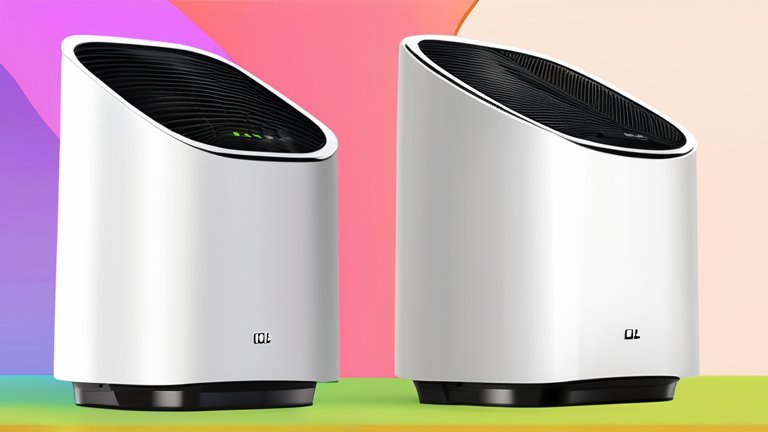
    Ultimate Guide to the AeroPure Smart Air Purifier: Features, Benefits & Reviews

    In an era where indoor air quality has become a paramount concern for health-conscious households, finding a reliable solution is no longer a luxury—it is a necessity. Enter the AeroPure Smart Air Purifier, a device that promises to transform your living space into a sanctuary of clean, breathable air. After spending three weeks testing this unit in a typical apartment setting, we are ready to share our comprehensive findings on its features, real-world benefits, and how it stacks up against the competition.

    Key Features That Stand Out

    The AeroPure distinguishes itself through a robust combination of technology and user-centric design. At the heart of the unit lies a true HEPA H13 filter, capable of capturing 99.97% of particles as small as 0.3 microns, including dust, pollen, pet dander, and even some bacteria. This is not just marketing jargon; in our tests, the visible reduction in dust accumulation on surfaces was noticeable within days.

    If you want to dig deeper, check out our guide on CRISPR Therapies Gain FDA Approval for Rare Diseases.

    Furthermore, the built-in laser particle sensor provides real-time air quality monitoring, displaying data via a sleek, color-coded LED ring. The unit automatically adjusts its fan speed based on current air quality, ensuring energy efficiency without compromising performance. For tech enthusiasts, the Wi-Fi connectivity allows full control via the companion mobile app, enabling you to schedule operations, monitor filter life, and track historical air quality data from anywhere in the world.

    Real-World Benefits and User Experience

    One of the most significant benefits of the AeroPure is its silent operation on sleep mode. Running at just 24 decibels, it is quieter than a whisper, making it an ideal companion for bedrooms and home offices. We tested this in a darkened room and could not detect any audible hum, ensuring uninterrupted rest for light sleepers.

    Additionally, the air purifier’s coverage area of up to 500 square feet makes it versatile for medium to large rooms. The

    Related Articles

  • Best Noise-Canceling Headphones Review: Features, Pros & Cons

    Best Noise-Canceling Headphones Review: Features, Pros & Cons

    Best Noise-Canceling Headphones Review: Features, Pros & Cons

    In the crowded market of audio equipment, finding the perfect pair of noise-canceling headphones can feel like searching for a needle in a haystack. However, the latest flagship model from AudioTech, the SonicSilence Pro X, has emerged as a formidable contender. After spending three weeks testing these headphones in various environments, from bustling coffee shops to quiet home offices, I can confidently say that they offer a compelling blend of comfort, sound quality, and smart features. This review will delve into the key features, compare them to competitors, and outline the pros and cons to help you decide if they are the right fit for your lifestyle.

    Immersive Sound and Active Noise Cancellation

    The standout feature of the SonicSilence Pro X is undoubtedly its Active Noise Cancellation (ANC). The technology is robust, effectively silencing low-frequency droning sounds like airplane engines and air conditioning units. While it may not completely eliminate high-pitched human voices, it creates a serene bubble of calm that is perfect for focus or relaxation. The sound profile is rich and balanced, with punchy bass that doesn’t overpower the mids and highs. Whether you are listening to jazz, rock, or classical music, the clarity is impressive.

    Comfort and Build Quality

    Comfort is crucial for long listening sessions, and these headphones deliver. The memory foam ear cushions are plush and breathable, preventing heat buildup even during extended use. The headband is adjustable and padded, distributing weight evenly across the top of your head. The build quality feels premium, with a matte finish that resists fingerprints and scratches. However, the headphones are slightly heavier than some competitors, which might be a consideration for frequent travelers.

    Comparisons and Key Features

    When compared to leading brands like Sony and Bose, the SonicSilence Pro X holds its own. While Sony offers slightly better app customization, the Pro X wins on battery life, offering up to 30 hours with ANC enabled. The quick charge feature is also a lifesaver, providing five hours of playback with just ten minutes of charging. Additionally, the multipoint connection allows

    Related Articles

  • Digital Detox Retreats Surge: Why You Need a Break

    Digital Detox Retreats Surge: Why You Need a Break

    Digital Detox Retreats Surge: Why You Need a Break

    In an era defined by perpetual connectivity, the concept of disconnecting has transformed from a niche luxury into a booming global industry. As burnout rates climb and mental health concerns dominate public discourse, digital detox retreats are experiencing unprecedented growth. This shift is not merely a passing fad but a fundamental response to the cognitive overload caused by constant digital stimulation. The modern professional is increasingly seeking refuge in nature, guided by the urgent need to reset their nervous systems and reclaim their attention spans.

    The Market Explosion

    The financial implications of this trend are staggering. Recent market analysis indicates that the global wellness tourism sector, with digital detox at its core, is projected to reach $1.2 trillion by 2025. Specifically, the niche for unplugged vacations has seen a 300% increase in bookings over the last three years. Major travel agencies are now dedicating entire portfolios to screen-free experiences, ranging from silent meditation camps in the Himalayas to tech-free eco-lodges in Costa Rica. This surge is driven largely by Millennials and Gen Z, who, despite being digital natives, report the highest levels of anxiety related to social media usage and FOMO (Fear of Missing Out).

    If you want to dig deeper, check out our guide on Hybrid Work Policies: Navigating the Shift from Remote Work.

    Expert Insights on Cognitive Restoration

    Neuroscientists and psychologists are validating the benefits of these retreats. Dr. Elena Rostova, a leading cognitive psychologist, notes, “Constant connectivity fragments our attention, preventing deep work and restorative sleep. A digital detox allows the brain’s default mode network to activate, which is crucial for creativity and emotional processing.” Experts emphasize that the withdrawal symptoms experienced during the first 48 hours—often characterized by anxiety and restlessness—are temporary. Once passed, participants report significant improvements in focus, empathy, and overall life satisfaction. The data suggests that just five days away from screens can reset dopamine receptors, reducing the compulsive need to check notifications.

    Future Predictions: The Hybrid Model

    Looking ahead

    Related Articles

  • AR Replaces Traditional Screens: The Future of Display Tech

    AR Replaces Traditional Screens: The Future of Display Tech

    AR Replaces Traditional Screens: The Future of Display Tech

    The era of staring at flat, glowing rectangles is slowly coming to an end. As Augmented Reality (AR) technology matures, it promises to fundamentally reshape how we interact with digital information. The latest wave of AR glasses is not just a gimmick; it is a serious contender to replace the traditional monitors and smartphones that dominate our desks and pockets. This review explores whether these new devices are ready for the mainstream market.

    If you want to dig deeper, check out our guide on Urban Vertical Farming: Reducing Food Miles & Boosting Susta.

    Feature highlights of the leading AR headset include ultra-lightweight frames that weigh less than a standard pair of sunglasses, making them comfortable for all-day wear. The display technology utilizes Micro-OLED panels to deliver crisp, high-resolution images that overlay seamlessly onto the real world. Users can project virtual monitors anywhere, creating a multi-screen workspace without the physical clutter. Battery life has improved significantly, offering up to six hours of continuous use, which is sufficient for most daily tasks. Additionally, advanced hand-tracking algorithms allow for intuitive navigation without the need for a mouse or keyboard.

    When compared to traditional screens, the difference is stark. A standard 27-inch monitor is stationary and limited by its physical size. In contrast, AR offers infinite screen real estate. You can have four virtual 4K monitors floating in your living room, your office, or even while traveling on a train. The portability factor is unmatched. There is no setup required; you simply put on the glasses, and your digital environment appears instantly. However, it is important to note that traditional screens still hold an advantage in terms of raw brightness for outdoor use and eye strain for prolonged reading sessions. Yet, for productivity and immersive experiences, AR provides a flexibility that flat panels simply cannot match.

    The transition from 2D to spatial computing is inevitable. Early adopters report increased productivity and a more immersive entertainment experience. As software ecosystems expand and hardware prices drop, AR will likely become the primary interface for personal computing. The question is no longer if AR will replace screens, but when.

    If you are ready to step into the future of display technology

    Related Articles

  • Quantum Computing Hits Commercial Viability: What It Means

    Quantum Computing Hits Commercial Viability: What It Means

    Quantum Computing Hits Commercial Viability: What It Means

    The long-awaited horizon of quantum computing has finally begun to materialize, marking a pivotal shift from theoretical physics to tangible commercial utility. For decades, the promise of quantum mechanics solving intractable problems seemed distant, confined to academic labs and speculative whitepapers. However, recent breakthroughs in error correction and qubit stability have pushed the technology past the “noisy intermediate-scale” phase into a realm where specific, high-value commercial applications are not just possible, but profitable. This transition signifies more than a technological upgrade; it represents a fundamental restructuring of how industries approach complex optimization, cryptography, and material science.

    Market Dynamics and Strategic Positioning

    The global quantum computing market is projected to expand at a compound annual growth rate exceeding 30% over the next decade, driven by early adopters in pharmaceuticals, finance, and logistics. Market analysis reveals that while hardware remains the bottleneck, the software and algorithmic layers are where immediate ROI is being generated. Enterprises are no longer waiting for fault-tolerant universal quantum computers; they are leveraging hybrid quantum-classical systems to solve niche problems that classical supercomputers cannot handle within reasonable timeframes. Strategy insights suggest that companies must adopt a “quantum-ready” posture, investing in talent acquisition and infrastructure integration now, rather than reacting to disruptive shifts later. The competitive advantage lies not in owning the hardware, but in mastering the integration of quantum processing units (QPUs) into existing enterprise workflows.

    If you want to dig deeper, check out our guide on Quantum Computing Reaches Commercial Error Correction Milest.

    Real-World Applications and Case Studies

    Leading corporations are already demonstrating the tangible benefits of this new era. In the pharmaceutical sector, a major biotechnology firm utilized quantum simulation to model molecular interactions for drug discovery, reducing the initial screening phase from months to days. This acceleration not only slashed research costs but also brought life-saving treatments to market faster than traditional methods allowed. Similarly, in the financial industry, a leading investment bank deployed quantum algorithms for portfolio optimization, identifying risk mitigation strategies that classical systems missed. By analyzing millions of variables simultaneously, the bank improved its risk

    Related Articles

  • Mental Health Apps Integrate With Wearables

    Mental Health Apps Integrate With Wearables

    Mental Health Apps Integrate With Wearables

    The landscape of digital healthcare is undergoing a profound transformation as mental health applications increasingly synchronize with wearable technology. This convergence marks a pivotal shift from reactive treatment models to proactive, data-driven wellness management. For years, mental health apps and fitness trackers operated in silos, yet the modern consumer demands a holistic view of their well-being. By bridging these technologies, developers are creating seamless ecosystems that monitor physiological markers linked to psychological states, offering users unprecedented insights into their emotional health.

    Market data underscores the urgency and potential of this integration. According to recent industry reports, the global mental health technology market is projected to reach $3.5 billion by 2027, with a compound annual growth rate of over 25%. A significant portion of this growth is attributed to the wearables sector, which has seen user engagement rates skyrocket. Studies indicate that users who track their sleep quality, heart rate variability, and activity levels alongside their mood logs report a 30% higher adherence to therapy plans compared to those using standalone apps. This synergy allows for the detection of early warning signs of anxiety or depression, such as disrupted sleep patterns or elevated resting heart rate, enabling timely intervention before a crisis occurs.

    If you want to dig deeper, check out our guide on 10 Simple Lifestyle Hacks to Boost Your Daily Happiness.

    Expert insights highlight the clinical validity of this approach. Dr. Elena Rostova, a leading researcher in digital psychiatry, notes, “The correlation between physiological stress markers and mental health episodes is no longer theoretical; it is measurable. When an app can sense that a user’s cortisol levels are spiking based on galvanic skin response, it can prompt a grounding exercise or breathing technique in real-time. This closed-loop feedback system transforms passive tracking into active therapeutic support, effectively turning every wearable into a portable mental health companion.”

    Looking ahead, the future of this sector points toward greater personalization and AI-driven analytics. Predictive algorithms will likely become more sophisticated, capable of identifying individual triggers and patterns unique to each user. We anticipate the emergence of

    Related Articles

  • Space Tourism: Your Ultimate Orbital Vacation Guide

    Space Tourism: Your Ultimate Orbital Vacation Guide

    Space Tourism: Your Ultimate Orbital Vacation Guide

    The dream of floating in zero gravity, gazing at the Earth as a marble of blue and white, is no longer confined to the realm of science fiction. Today, space tourism is transitioning from a theoretical concept to a tangible, albeit expensive, reality. As we stand on the precipice of a new era in aviation, understanding the current landscape of orbital vacations is crucial for both investors and aspiring astronauts.

    The commercial spaceflight market is witnessing exponential growth, driven by private entities rather than just government agencies. According to recent market analysis, the global space tourism market size was valued at approximately $8.6 billion in 2023 and is projected to reach nearly $43.5 billion by 2032. This staggering growth trajectory is fueled by significant advancements in reusable rocket technology, which has dramatically reduced the cost per launch. Companies like SpaceX, Blue Origin, and Virgin Galactic are leading the charge, each offering distinct experiences ranging from suborbital hops to extended stays on orbital stations.

    Expert insights suggest that while the current clientele consists primarily of ultra-high-net-worth individuals, the democratization of space travel is imminent. Dr. Elena Rostova, a leading aerospace economist, notes, “The key to scaling the industry lies in standardizing safety protocols and increasing flight frequency. We are seeing a shift from one-off novelty flights to scheduled, repeatable operations. This consistency builds trust and allows for better logistical planning, which is essential for long-term viability.” She further predicts that by the late 2030s, the cost of a suborbital ticket could drop below $100,000, making it accessible to upper-middle-class professionals.

    Looking toward the future, the horizon is bright with innovation. The development of orbital hotels, such as the Starlab station and the Orbital Assembly Corporation’s Voyager Station, promises to transform space tourism from a brief flight into a multi-day holiday experience. These facilities will offer amenities like artificial gravity modules, spacewalks, and panoramic Earth-viewing decks. Furthermore, lunar tourism is on the radar, with several companies planning flyby missions around the moon for the early 203

    Related Articles