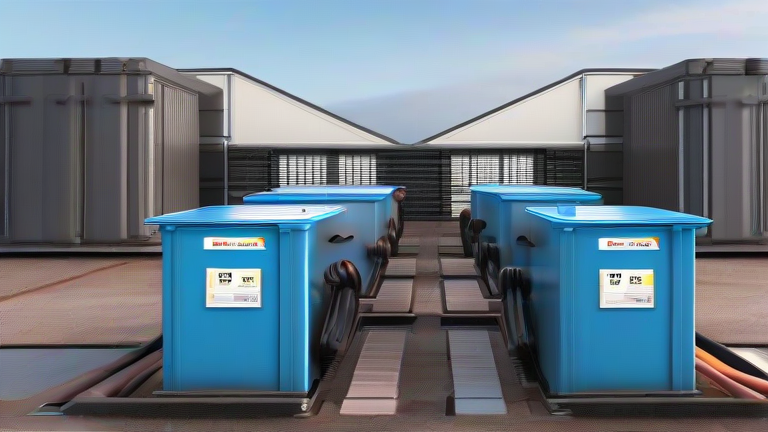
EV Battery Recycling: The Rise of a Major Industrial Sector
The rapid adoption of electric vehicles has created an unprecedented surge in demand for lithium-ion batteries. However, this green revolution faces a critical challenge: sustainable end-of-life management. As the first generation of EVs reaches the end of their usable life, recycling has transitioned from a niche environmental concern to a major industrial sector. This guide outlines the essential steps and strategic insights for understanding and participating in the burgeoning EV battery recycling ecosystem. By following these instructions, stakeholders can contribute to a circular economy that reduces environmental impact and secures critical raw materials.
Step 1: Understand the Composition and Hazards
Before initiating any recycling process, it is crucial to comprehend the complex chemistry of EV batteries. These units contain valuable metals such as lithium, cobalt, nickel, and manganese, alongside hazardous electrolytes and flammable components. Proper identification of the battery type—whether cylindrical, pouch, or prismatic—is the foundational step. Misidentification can lead to safety hazards and inefficient recovery rates. Familiarize yourself with the specific chemical makeup of your specific battery models to ensure safe handling protocols are strictly adhered to throughout the entire lifecycle.
If you want to dig deeper, check out our guide on 10 Proven Health Tips to Boost Energy and Wellness Today.
Step 2: Implement Safe Discharge and Transport Protocols
Safety is paramount. Before any physical dismantling can occur, batteries must be fully discharged to minimize the risk of thermal runaway or fire during transport. Use specialized discharge equipment to reduce voltage levels to safe thresholds. Once discharged, batteries must be packaged according to international dangerous goods regulations. Use non-conductive, fire-resistant containers and clearly label all packages. Ensure that transport logistics partners are certified to handle hazardous materials. This step protects workers, infrastructure, and the environment from potential catastrophic failures during transit to recycling facilities.
Step 3: Choose the Right Recycling Method
There are two primary recycling methodologies: pyrometallurgy and hydrometallurgy. Pyrometallurgy involves high-temperature smelting, which is effective for recovering metals but energy-intensive. Hydrometallurgy uses chemical solutions to leach out valuable metals, offering higher recovery rates for lithium with a lower carbon footprint. Select the method that aligns with your environmental goals and economic constraints. Many modern facilities are adopting hybrid approaches to maximize efficiency. Evaluate the purity
Leave a Reply