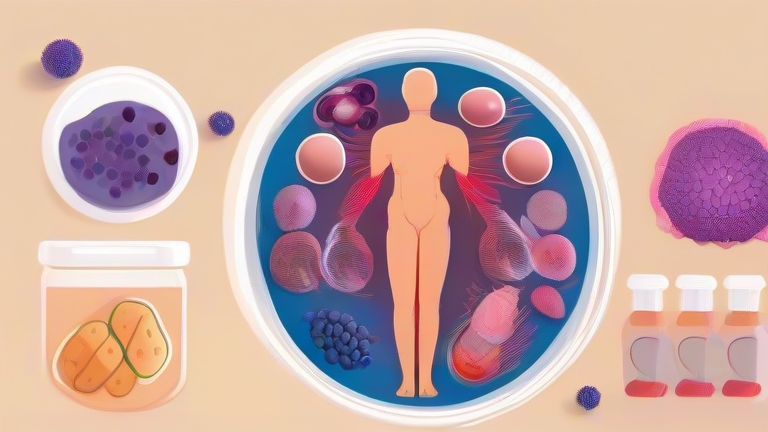
Gut Microbiome: The Key to Personalized Nutrition
The landscape of the global health and wellness industry is undergoing a seismic shift. We are moving away from the one-size-fits-all dietary guidelines of the past century toward a hyper-personalized approach driven by biological data. At the forefront of this revolution is the gut microbiome—the complex ecosystem of trillions of microorganisms residing in our digestive tracts. Recent scientific breakthroughs have revealed that these microbes play a pivotal role in metabolism, immunity, and mental health, effectively transforming how we view food. This article explores the burgeoning market, strategic implications for businesses, and real-world case studies demonstrating the power of microbiome-based nutrition.
Market Analysis: A Multi-Billion Dollar Opportunity
The personalization market is expanding at an unprecedented rate. According to recent industry reports, the global personalized nutrition market is projected to reach over $16 billion by 2027, with the gut microbiome segment representing a significant and rapidly growing share. Consumer demand is shifting from generic weight-loss supplements to targeted interventions based on genetic and microbial profiles. Investors are increasingly recognizing the potential of diagnostic companies that offer microbiome sequencing services, as well as food manufacturers developing prebiotic and probiotic products tailored to specific microbial deficiencies. This trend is not merely a fad; it is a fundamental change in consumer behavior, driven by greater health literacy and the availability of affordable testing technologies.
If you want to dig deeper, check out our guide on Top 10 Emerging Trends You Can’t Ignore in 2024.
Strategic Insights for Industry Leaders
For businesses looking to capitalize on this trend, the strategy must go beyond simple product placement. Success requires a holistic ecosystem approach. Companies must integrate diagnostic testing with actionable dietary recommendations and ongoing support. Data privacy is paramount; consumers are wary of sharing sensitive biological information. Therefore, transparent data governance and robust security protocols are not just legal requirements but competitive advantages. Furthermore, partnerships between healthcare providers, food tech startups, and research institutions are essential. By combining clinical expertise with scalable technology, brands can build trust and credibility. Marketing strategies should focus on education, empowering consumers to understand their unique biological needs rather than promising quick fixes.

<h2
Leave a Reply