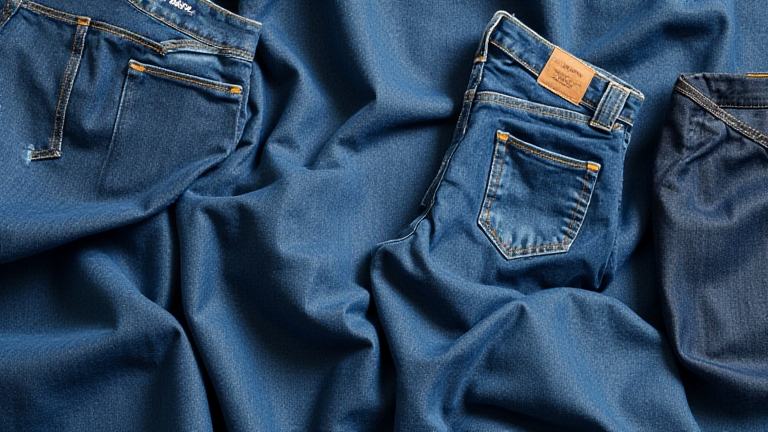
TL;DR: Leading denim brands are revolutionizing sustainability by implementing closed-loop systems that collect, shred, and recycle post-consumer jeans into high-quality new fiber. This shift reduces water consumption and landfill waste, proving that circular supply chains are both environmentally responsible and commercially viable.
The Rise of Circular Denim
The fashion industry has long been criticized for its linear “take-make-dispose” model, but denim manufacturers are leading the charge toward a circular economy. By reimagining the lifecycle of a pair of jeans, companies are no longer viewing discarded clothing as waste but rather as a valuable raw material. This transformation is driven by advanced textile recycling technologies that allow for the separation of cotton and elastane fibers, which were previously difficult to process effectively. As consumer awareness grows regarding environmental impact, brands are investing heavily in infrastructure that supports this new paradigm, ensuring that every thread has a second, third, or even fourth life.
If you want to dig deeper, check out our guide on ICE Plans Millions for Boston Dynamics Robot Dogs to Boost O.
Feature Highlights of Modern Circular Systems
Key features of these innovative supply chains include advanced collection programs, where customers can return old jeans through in-store bins or prepaid mailers. Once collected, the garments undergo rigorous sorting and cleaning before being shredded into fiber. The resulting recycled cotton is then spun into new yarn, often blended with virgin cotton to maintain durability and stretch. Brands like Eileen Fisher, Levi’s, and Patagonia have pioneered these methods, offering products made from up to 90% recycled content. Additionally, many companies now use digital product passports to track the origin of materials, enhancing transparency and consumer trust. This level of detail ensures that the environmental claims are verifiable, addressing the growing skepticism around greenwashing in the fashion sector.
Comparing Traditional vs. Circular Models
When comparing traditional denim production with circular models, the differences in resource efficiency are stark. Conventional manufacturing requires vast amounts of water, energy, and land for cotton farming, while circular systems bypass the agricultural phase entirely. For instance, producing one kilogram of recycled cotton uses significantly less water than its virgin counterpart. Economically, while initial setup costs for recycling infrastructure are high, the long-term savings in raw material procurement and waste management fees are substantial. Furthermore, circular models often foster stronger brand loyalty, as customers appreciate the ethical implications of their purchases. However, challenges remain, particularly in maintaining the consistent quality and texture of recycled fibers compared to new cotton. Despite these hurdles, the industry is rapidly innovating to solve these issues, leading to products that are indistinguishable from their virgin counterparts.
Why You Should Switch
Adopting products from circular supply chains is a practical step toward sustainable living. By choosing brands that commit to recycling, you directly support the reduction of textile waste and the conservation of natural resources. It is an opportunity to vote with your wallet for a healthier planet. Do not wait for the future to arrive; the technology and the products are here today. Explore the latest collections from leading circular denim brands and make a conscious choice that benefits both your wardrobe and the environment.
FAQ
Q: Is recycled denim as durable as virgin cotton?
A: Modern recycling technologies have improved significantly, allowing recycled denim to achieve comparable durability, especially when blended with high-quality virgin fibers.
Q: How do I recycle my old jeans?
A: Most major denim brands offer take-back programs in-store or via mail-in kits, allowing you to drop off worn-out pairs for proper recycling processing.
Q: Are circular denim products more expensive?
A: While premium circular brands may have a higher price point due to R&D costs, the long-term value and environmental savings often justify the investment for conscious consumers.
Leave a Reply