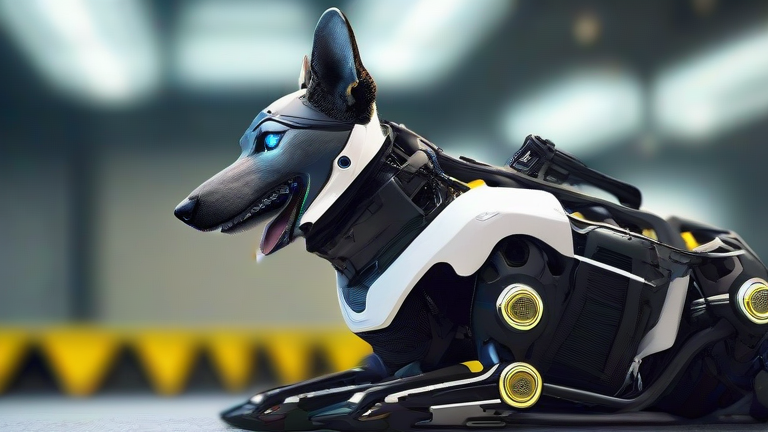
ICE Plans Millions for Boston Dynamics Robot Dogs to Boost Officer Safety
TL;DR: U.S. Immigration and Customs Enforcement (ICE) has allocated millions of dollars to pilot Boston Dynamics’ Spot robot dogs for hazardous inspections and border security. These quadruped robots are designed to enter dangerous environments, reducing physical risk to officers by performing initial reconnaissance and evidence collection.
The Strategic Deployment
Recent federal procurement documents reveal a significant shift in law enforcement technology, with ICE planning to deploy Boston Dynamics’ Spot robots across multiple high-risk operational zones. The initiative aims to address the growing concern for officer safety in volatile situations, including warehouse raids and border facility inspections. By utilizing autonomous robotics, agencies can send machines into confined, structurally unstable, or actively hostile areas before human teams enter. This “robot first” approach minimizes exposure to explosive devices, chemical hazards, and armed suspects, fundamentally changing tactical protocols for field operations.
If you want to dig deeper, check out our guide on 10 Proven Business Strategies to Grow Your Company.
Technical Specifications and Capabilities
Spot is a highly advanced quadruped robot capable of navigating complex terrains, including stairs, gravel, and uneven indoor floors. It features a 360-degree view with high-definition cameras and LiDAR sensors, allowing it to map environments in real-time. The robot can carry payloads, such as additional sensors or communication relays, and is equipped with AI-driven computer vision to identify threats and objects of interest. Its agility allows it to climb steps up to seven inches high and traverse slopes, making it versatile for both industrial and urban settings. Connectivity via 5G and Wi-Fi ensures real-time data streaming to command centers, enabling supervisors to monitor situations remotely without placing personnel on the front line.
Industry Impact and Future Implications
This deployment signals a broader trend in the normalization of robotics in public safety. For the tech industry, it validates the commercial viability of heavy-duty, AI-driven hardware in government sectors. Boston Dynamics gains a high-profile reference point, potentially accelerating adoption by other law enforcement agencies worldwide. However, the move also sparks debate regarding surveillance privacy and the ethical implications of remote policing. Critics argue that while safety is improved, the technology could be misused for mass surveillance. Despite these concerns, the operational benefits are clear: reduced injury rates, enhanced data collection, and improved situational awareness. As AI capabilities mature, we can expect future iterations of such robots to operate with greater autonomy, further integrating machine intelligence into the daily workflows of law enforcement agencies.
FAQ
Q: How much does a Boston Dynamics Spot robot cost?
A: The exact price varies by configuration, but units typically range from $75,000 to over $100,000 when including sensors and software licenses.
Q: Can the robot dogs use weapons or force?
A: No, these robots are strictly non-lethal reconnaissance tools; they are designed to observe, record, and map areas without engaging in physical combat or using firearms.
Q: When will these robots be fully operational in the field?
A: Pilot programs are currently underway, with widespread deployment expected within the next twelve to eighteen months as training and integration processes are completed.
Leave a Reply