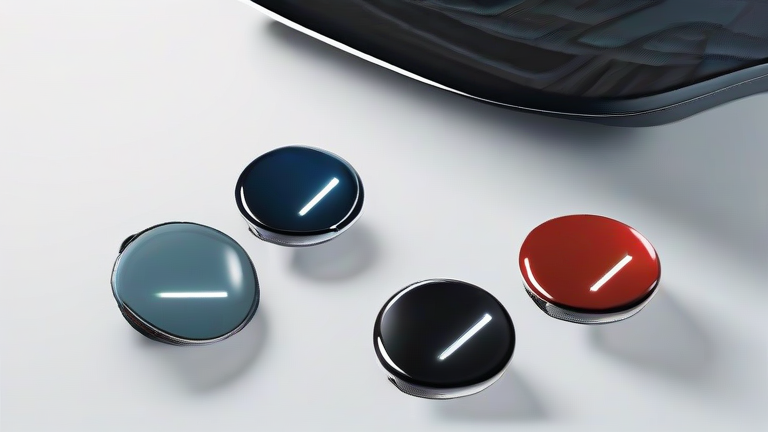
How Neurotech Wearables Manage Mental Health
Neurotechnology wearables represent a paradigm shift in personal mental healthcare. These devices utilize advanced sensors to monitor physiological markers linked to emotional states, such as heart rate variability, skin conductance, and brainwave activity. By providing real-time biofeedback, they empower users to take proactive control over their psychological well-being. This guide outlines the essential steps to integrate these innovative tools into your daily routine effectively and safely.

Step 1: Select the Appropriate Device
Begin by researching available neurotech wearables. Look for devices that utilize FDA-cleared sensors or have undergone rigorous clinical validation. Consider whether you need a headband for direct EEG monitoring or a wristband that tracks indirect markers like galvanic skin response. Ensure the device aligns with your specific mental health goals, whether that is stress reduction, improved sleep hygiene, or enhanced focus.
If you want to dig deeper, check out our guide on Urban Vertical Farming: Reducing Food Miles & Boosting Susta.
Step 2: Proper Fit and Calibration
Physical comfort is critical for accurate data collection. Follow the manufacturer’s instructions to secure the device snugly but comfortably against your skin. Most devices require an initial calibration period. During this phase, the device learns your unique baseline physiological patterns. Avoid vigorous movement during calibration to ensure the algorithm establishes a precise reference point for your resting state.
Step 3: Establish a Monitoring Routine
Consistency is key to deriving meaningful insights. Wear the device during your typical daily activities and during specific moments when you feel emotional distress. Many apps allow you to tag specific events, such as a high-pressure meeting or a meditation session. This contextual data helps the AI distinguish between general stress and situational anxiety, refining its predictive models over time.
Related Articles
Leave a Reply