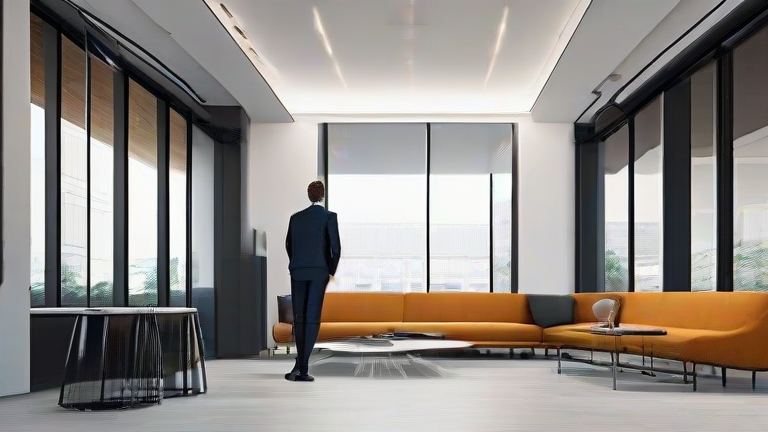
How Remote Work is Reshaping Commercial Real Estate

The global pandemic acted as a catalyst for one of the most significant shifts in modern working culture: the rapid adoption of remote work. While initially viewed as a temporary emergency measure, this transition has solidified into a permanent fixture of the professional landscape. This seismic shift is not only altering how we view our daily routines but is also fundamentally reshaping the commercial real estate market. As employees seek flexibility and employers prioritize cost-efficiency, the demand for traditional office spaces is declining, giving rise to new models of collaboration and community.
From a health and wellness perspective, the reduction in daily commuting offers profound benefits. Studies indicate that long commutes are a major contributor to chronic stress, sleep deprivation, and cardiovascular issues. By eliminating the need for daily travel, remote workers often experience lower cortisol levels and improved mental clarity. However, this newfound freedom comes with challenges. The blurring of lines between professional and personal life can lead to burnout, while sedentary behavior in home offices can negatively impact physical health. Therefore, adapting our lifestyle to support remote work is crucial for maintaining overall well-being.
To combat the physical drawbacks of working from home, it is essential to create an ergonomic environment. Adjust your chair height so that your feet are flat on the floor and your knees are at a 90-degree angle. Your computer screen should be at eye level to prevent neck strain. Additionally, incorporate movement into your day. The “20-20-20 rule” suggests that every 20 minutes, you should look at something 20 feet away for 20 seconds to reduce eye strain. Furthermore, schedule short walks throughout the day to boost circulation and mental alertness.
Mental health is equally important. Establishing clear boundaries between work and rest is vital. Designate a specific area in your home for work, and avoid using your bed or dining table as your primary workspace. This physical separation helps your brain associate specific locations with specific activities, reducing cognitive fatigue. At the end of the workday, perform a “shutdown ritual” to signal to your brain that work is
Leave a Reply