Integrating Clinical Care Data Into Mental Health Apps
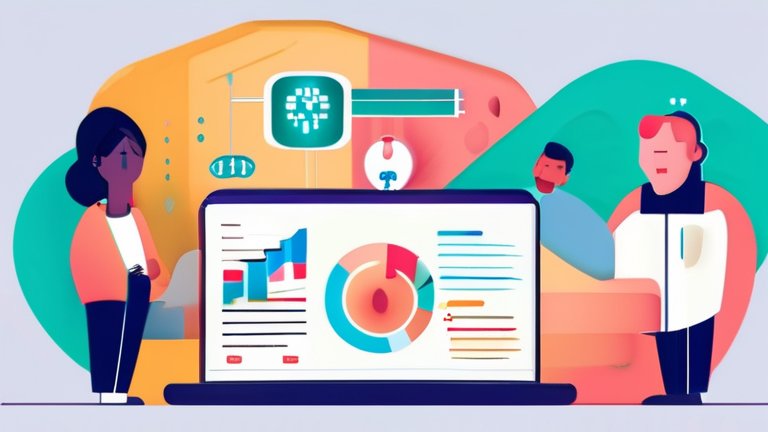
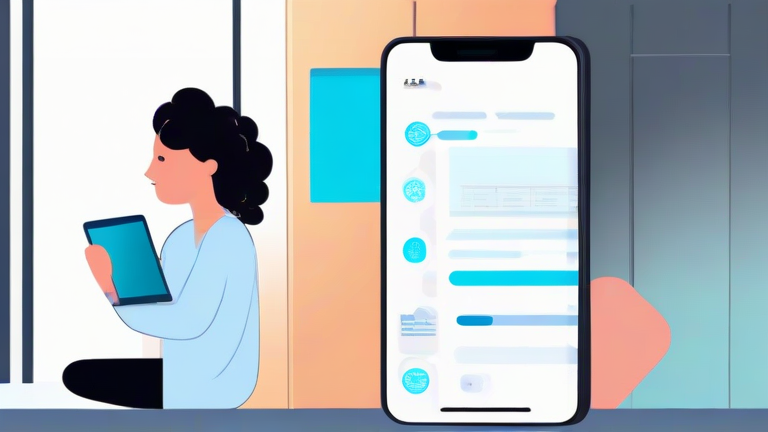
The convergence of clinical care data and digital mental health platforms represents a paradigm shift in how we approach psychological well-being. For decades, therapy and medical treatment have operated in silos, leaving gaps in continuity of care. Today, the integration of Electronic Health Records (EHRs) into consumer-facing mental health applications offers a promising solution to bridge this divide. By allowing patients to seamlessly share therapy notes, medication history, and behavioral metrics with their healthcare providers, we create a holistic view of mental health that is both comprehensive and actionable.
From a scientific perspective, this integration reduces the risk of adverse drug interactions and enhances therapeutic outcomes. When a psychiatrist can view real-time data from a patient’s mood-tracking app, they can adjust medication dosages with greater precision. Studies suggest that this collaborative model leads to higher patient engagement and faster recovery times compared to traditional, fragmented care models. The data becomes a living document, evolving with the patient’s journey rather than remaining static in a filing cabinet.
However, technology alone is not a cure. It must be paired with intentional lifestyle adjustments to maximize its benefits. One effective strategy is establishing a “digital sunset” routine. Disconnecting from all screens, including mental health apps, at least one hour before bed allows the brain to wind down naturally, improving sleep quality—a cornerstone of mental resilience. Additionally, practicing mindfulness during daily commutes can help ground your emotions, making the data you input into your app more accurate and reflective of your true state.
Another crucial tip is to actively participate in data interpretation sessions with your care team. Do not let the app generate insights in isolation. Schedule regular check-ins where you review trends together. This empowers you to take ownership of your health journey. Remember, the app is a tool, not a therapist. It provides the map, but you and your provider must navigate the terrain together.
Finally, prioritize privacy. Ensure the apps you use are HIPAA-compliant and transparent about how they store and share your sensitive clinical data. Trust is the foundation of any therapeutic relationship, and digital trust is no different. By combining robust data integration with mindful lifestyle habits,
Leave a Reply