TL;DR: Neurotech wearables use electroencephalography (EEG) sensors to detect real-time cognitive load, allowing users to optimize focus and prevent mental fatigue. By aligning work schedules with natural brain rhythms, these devices significantly enhance productivity and overall mental well-being.
The Rise of Brain-Computer Interfaces in Daily Life
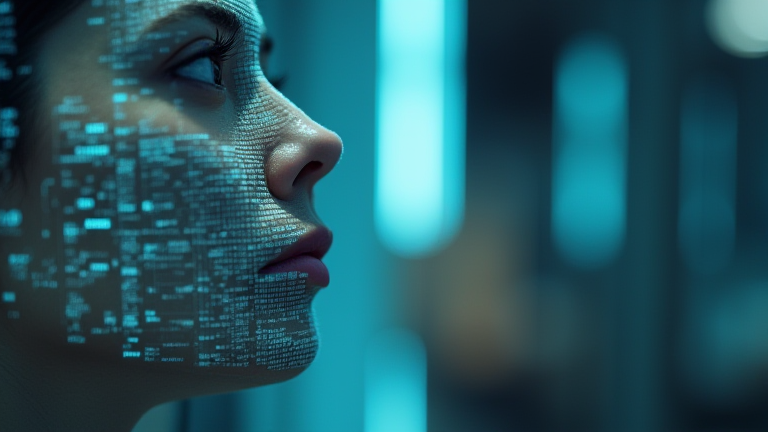
In the rapidly evolving landscape of digital health, neurotechnology has emerged as a groundbreaking frontier. No longer confined to clinical settings or sci-fi narratives, brain-computer interfaces are now accessible through sleek, consumer-grade wearables. These devices, often resembling headbands or earpieces, utilize electroencephalography (EEG) to measure electrical activity in the brain. This data provides a direct window into cognitive load, offering insights into how stressed, focused, or relaxed your mind is at any given moment. For professionals seeking to maximize efficiency without burning out, this technology offers a personalized roadmap to mental endurance.
If you want to dig deeper, check out our guide on Autonomous Delivery Drones in Urban Areas: Benefits & Challe.
Science-Backed Strategies for Cognitive Optimization
Understanding the science behind cognitive load is crucial for leveraging these tools effectively. The brain has limited processing capacity, and exceeding this limit leads to diminished performance and increased errors. Neurotech wearables help identify these thresholds by tracking metrics such as alpha, beta, and theta brain waves. High beta activity often indicates intense focus or anxiety, while elevated theta waves may signal drowsiness or distraction. By monitoring these patterns, users can identify their optimal work blocks and take breaks before reaching cognitive saturation.
To boost productivity, integrate biofeedback into your daily routine. When the device detects high cognitive strain, it can prompt you to step away, practice deep breathing, or engage in a brief mindfulness exercise. This proactive approach prevents the cumulative stress that leads to burnout. Additionally, use the data to refine your environment. If your focus drops during specific tasks, consider adjusting lighting, noise levels, or task complexity. Over time, you will develop a nuanced understanding of your brain’s unique rhythms, allowing you to schedule demanding tasks during peak performance windows and reserve lighter duties for low-energy periods.
Lifestyle Tips for Enhanced Mental Clarity
While technology provides the data, lifestyle choices determine the baseline of your cognitive health. Prioritize sleep hygiene, as rest is essential for memory consolidation and mental recovery. Combine this with regular physical exercise, which increases blood flow to the brain and promotes neuroplasticity. Hydration and nutrition also play pivotal roles; maintain a balanced diet rich in omega-3 fatty acids and antioxidants to support brain function. Finally, cultivate a consistent meditation practice. Even short daily sessions can improve attention span and emotional regulation, complementing the insights gained from your neurotech wearable. By harmonizing technological insights with holistic health practices, you create a sustainable framework for sustained productivity and mental resilience.
FAQ
Q: Are neurotech wearables safe for daily use?
A: Yes, most consumer-grade EEG devices are non-invasive and emit no radiation, making them safe for regular daily use when following manufacturer guidelines.
Q: How accurate are these devices compared to clinical EEGs?
A: While not as detailed as hospital-grade EEGs, modern consumer devices are sufficiently accurate for tracking general cognitive trends and focus levels for productivity purposes.
Q: Can I use this data to improve my sleep quality?
A: Absolutely; by analyzing pre-sleep brain activity, you can identify stress patterns and adjust your evening routine to promote relaxation and better sleep hygiene.
Leave a Reply