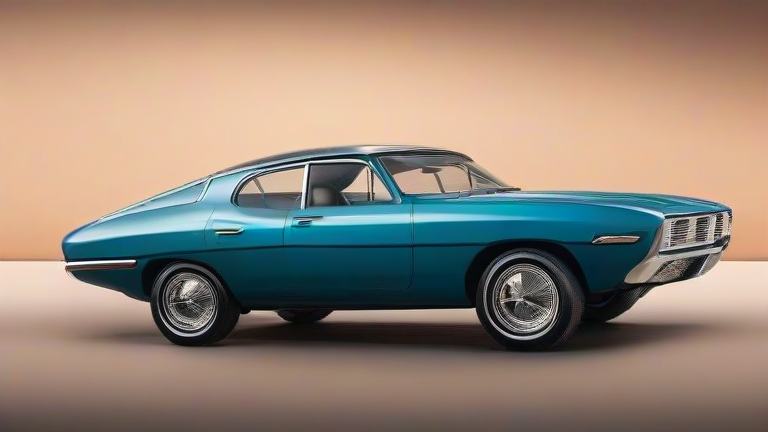
TL;DR: Simple cars represent the future because they prioritize mechanical reliability and environmental sustainability over disposable digital complexity. This shift encourages a slower, more intentional lifestyle that values longevity and direct engagement with the world around us.
Reclaiming the Joy of Driving
In an era dominated by touchscreens, over-the-air updates, and subscription-based features, the automotive industry has lost its soul. We have traded the tactile satisfaction of a mechanical gear stick for the sterile silence of electric motors and software interfaces. However, a quiet revolution is brewing among enthusiasts and everyday drivers alike. The movement toward “simple cars”—vehicles with analog dials, manual transmissions, and easily repairable mechanical systems—is not just a nostalgic whim. It is a necessary correction to the excesses of modern consumerism.
Food for Thought
Consider the parallel in our dining habits. Just as we are moving away from highly processed, pre-packaged meals toward fresh, whole ingredients, we are also rejecting the “fast car” culture. A simple car is like a home-cooked meal: it requires effort, attention, and care, but the result is far more satisfying and nourishing. When you drive a car with no complex infotainment system, you are forced to engage with your surroundings. You notice the changing seasons, the architecture of your city, and the faces of people you pass. This mindfulness extends beyond the driver’s seat. It influences how we cook, how we work, and how we connect with others.
Culture of Longevity
The cultural shift is evident in the rising popularity of vintage restoration projects and the maintenance of classic vehicles. These activities teach patience and resilience. In a throwaway society, keeping a car running for thirty years is an act of rebellion. It challenges the notion that new is always better. Furthermore, simple cars are often more environmentally friendly in the long run. Their longevity reduces the carbon footprint associated with manufacturing new vehicles. They can be repaired with basic tools and locally sourced parts, supporting local mechanics and reducing dependence on global supply chains.

Ultimately, embracing simple cars is about reclaiming control over our lives. It is a statement that we value substance over style, function over flash, and experience over convenience. By choosing simplicity, we open ourselves up to a richer, more grounded existence. The future of mobility is not just about getting from point A to point B; it is about the quality of the journey itself. As we navigate the complexities of the twenty-first century, let us look back to move forward. Let us drive cars that reflect our values: durability, sustainability, and human connection. The road ahead is long, but with a simple car, every mile becomes a meaningful step toward personal growth and cultural renewal.
FAQ
Q: Why are simple cars considered more sustainable?
A: They last longer, require fewer rare materials for manufacturing, and are easier to repair, reducing waste.
If you want to dig deeper, check out our guide on Mycelium Surfboards: 1 Year Update & New Aquarium Insulation.
Q: How does driving a simple car improve personal growth?
A: It fosters patience, mechanical understanding, and mindfulness by forcing engagement with the driving process.
Q: Can simple cars be safe for modern highways?
A: Yes, many classic models have been upgraded with modern safety features while retaining their simple mechanical cores.
Leave a Reply