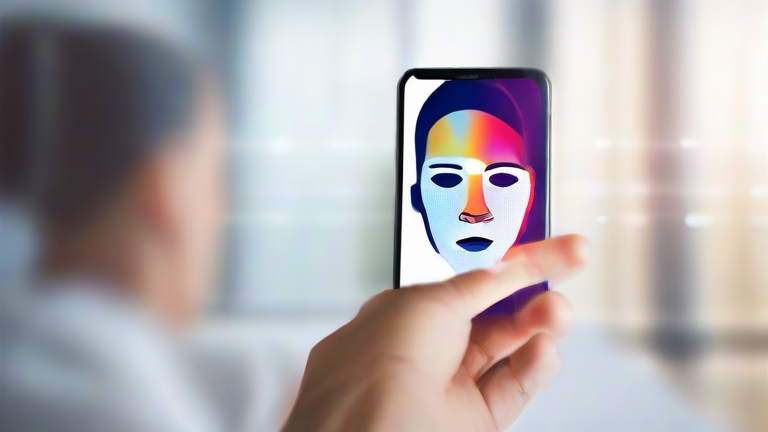
Real-Time Biometrics in Mental Health Apps
Mental health technology has evolved rapidly, moving beyond simple mood tracking journals to sophisticated applications that utilize real-time biometric data. By integrating physiological signals such as heart rate variability (HRV), skin temperature, and galvanic skin response, developers and users can create more responsive and personalized care experiences. This guide provides a structured approach to understanding and implementing real-time biometric monitoring within mental health applications, ensuring both clinical efficacy and user privacy.
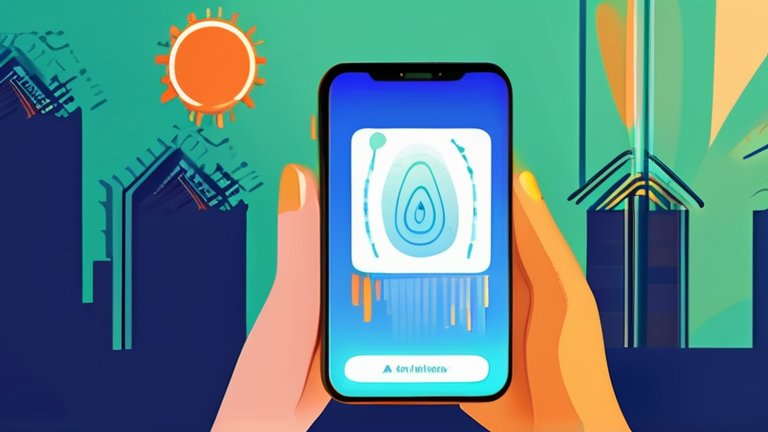
The first step in this process is selecting the appropriate wearable hardware or smartphone sensors. Most modern smartphones possess accelerometers, gyroscopes, and optical heart rate sensors, which are sufficient for basic stress detection. However, for higher accuracy, pairing the application with dedicated wearables like smartwatches or chest straps is recommended. These devices capture HRV, a key indicator of autonomic nervous system activity. Ensure that the chosen hardware supports Bluetooth Low Energy (BLE) protocols to minimize battery drain on the user’s device while maintaining a stable connection.
If you want to dig deeper, check out our guide on How Vertical Farming Scales to Meet Urban Food Demand.
Step 1: Establish Data Connectivity
Begin by integrating the HealthKit (iOS) or Google Fit (Android) APIs into your application’s backend. These frameworks act as intermediaries, allowing your app to securely request permission to access biometric data. Implement a robust authentication layer using OAuth 2.0 to ensure that only authorized applications can read sensitive health information. It is crucial to request only the necessary permissions, adhering to the principle of least privilege. This builds trust with users who are increasingly concerned about data privacy and security in the digital health space.
Step 2: Process and Analyze Data
Raw biometric data is often noisy and requires preprocessing before it can be used for mental health insights. Implement algorithms that filter out motion artifacts, which commonly occur during physical activity. Once cleaned, analyze the data to identify patterns associated with stress, anxiety, or relaxation. For instance, a sudden drop in HRV might indicate an acute stress response. Use machine learning models trained on diverse datasets
Leave a Reply