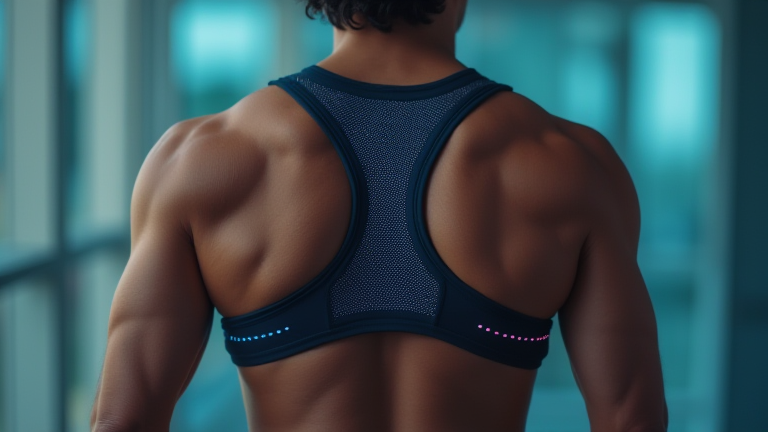
TL;DR: Smart fabric wearables now integrate flexible sensors directly into textile fibers to monitor hydration levels via sweat analysis and muscle fatigue through electromyography in real-time. This technology eliminates the need for bulky external devices, providing athletes and medical patients with continuous, non-invasive health data that significantly enhances performance optimization and recovery protocols.
The Rise of Intelligent Textiles
The landscape of wearable technology is undergoing a radical transformation as traditional rigid electronics give way to soft, flexible materials. The latest developments in smart fabric wearables focus on seamless integration, where the garment itself becomes the sensor. Recent breakthroughs in conductive polymer coatings and microfluidic channels allow fabrics to detect subtle physiological changes without compromising comfort or aesthetic appeal. These innovations mark a shift from monitoring heart rate and step count to analyzing complex biochemistry and neuromuscular signals directly at the source.
If you want to dig deeper, check out our guide on Urban Office Basements Turned Zero-Waste Vertical Farms.
Key Specifications and Technology
Modern smart fabrics utilize a multi-layered architecture. The outer layer typically consists of standard breathable materials like polyester or nylon for durability and user comfort. Beneath this lies a network of conductive threads made from silver nanowires or carbon nanotubes, which serve as electrodes for electromyography (EMG) and galvanic skin response monitoring. For hydration tracking, embedded microfluidic channels collect sweat, which is then analyzed by on-chip sensors that measure electrolyte concentrations, specifically sodium and potassium levels. These sensors operate at low power, often utilizing energy harvesting from body movement to extend battery life beyond several weeks. The data is transmitted via low-energy Bluetooth to a companion application, providing real-time alerts when hydration drops below optimal thresholds or when muscle fatigue indicators reach critical levels.
Industry Impact and Applications
The impact of this technology extends far beyond the gym. In professional sports, teams are using these fabrics to prevent injuries by identifying muscle fatigue before it becomes visible to the naked eye. This data allows coaches to adjust training loads dynamically, reducing the risk of strains and overuse injuries. In the medical sector, these wearables are revolutionizing remote patient monitoring for individuals with chronic conditions such as diabetes or heart failure, where dehydration and muscle weakness are common complications. Hospitals are seeing reduced readmission rates because patients can manage their conditions proactively from home. Furthermore, the consumer market is witnessing a surge in demand for health-optimized clothing, driving collaborations between fashion houses and tech firms to create stylish yet functional apparel. This convergence of fashion and technology is reshaping the retail landscape, creating new value propositions for brands that prioritize user health alongside style.
As manufacturing costs decrease and sensor accuracy improves, the adoption of smart fabric wearables is expected to accelerate. The future lies in fully autonomous systems that not only monitor but also suggest immediate corrective actions, such as recommending specific nutrient intake or adjusting workout intensity. This proactive approach to health management promises a paradigm shift in how individuals interact with their own biology, making health insights as accessible and constant as the clothes we wear.
FAQ
Q: How accurate are smart fabric hydration sensors compared to lab tests?
A: While not as precise as laboratory blood tests, current smart fabric sensors offer sufficient accuracy for real-time tracking and trend analysis, with error margins typically under five percent for electrolyte levels.
Q: Can these smart clothes be washed like regular laundry?
A: Yes, most modern smart fabrics are designed to be machine washable. Manufacturers use encapsulated sensors and durable conductive threads that withstand standard washing cycles without losing functionality or degrading over time.
Q: What is the typical battery life of these wearable garments?
A: Depending on the frequency of data transmission and monitoring intensity, battery life generally ranges from three to five weeks. Many models also feature energy harvesting capabilities that extend this duration by converting body heat or movement into power.
Leave a Reply