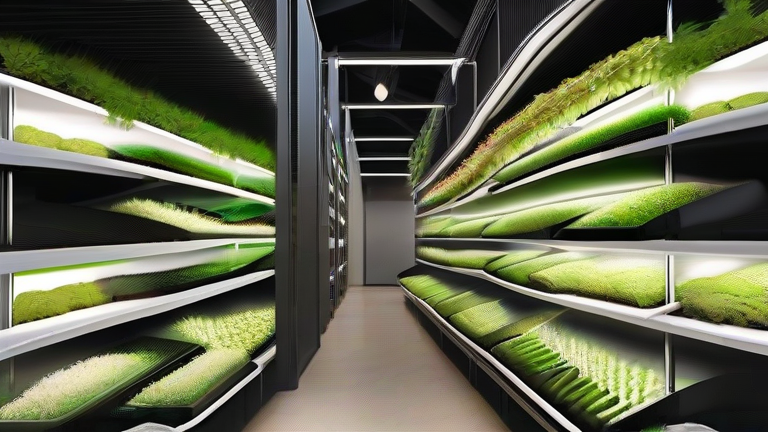
TL;DR: Urban office basements are being converted into zero-waste vertical farms, growing hyper-local greens using LED light and closed-loop water systems. This shift turns dead real estate into fresh food hubs, reconnecting city workers with where their lunch comes from while slashing food miles.
The Concrete Jungle’s New Green Heart
Step off the elevator in a downtown Manhattan office tower, and instead of a parking garage or storage unit, you’re hit with the earthy scent of basil and the hum of pink LED panels. This isn’t a sci-fi set—it’s the latest wave of urban agriculture. Developers and food-tech startups are realizing that basements—once the dumping ground for old filing cabinets and broken chairs—are perfect for vertical farming. They offer stable temperatures, no need for natural light (which LEDs replace), and, crucially, they’re already connected to the building’s power and water. For the office worker, this means a salad grown 40 feet below their desk, harvested that morning.
If you want to dig deeper, check out our guide on 10 Best Air Fryer Toaster Ovens for Crispy Fries and Even Ba.
Zero-Waste, Not Just a Buzzword
What makes these farms “zero-waste” isn’t a marketing trick. The system is a closed loop: water is filtered and recirculated, nutrient runoff is captured and reused, and post-harvest plant stems are composted on-site, then used as growing medium for the next cycle. Even the CO₂ exhaled by the office’s HVAC system is piped down to boost plant growth. There’s no soil, no pesticides, and no plastic packaging—greens are sold directly to the building’s cafeteria or to employees via a small market cart. The only “waste” is the energy used for lights, which is increasingly offset by rooftop solar panels on the same building. It’s a cultural shift: instead of viewing food as a disposable commodity, you watch it grow in the same place you work, making you acutely aware of every leaf you toss.
A Personal Growth Angle: Mindfulness in the Basement
For the employees who volunteer to help with harvest days, this is more than a perk—it’s a form of therapy. Tending to microgreens between Zoom calls forces a slower pace. You’re not scrolling; you’re clipping. The repetitive motion, the tactile feel of damp roots, and the immediate feedback of growth become a micro-meditation. Many workers report feeling less anxious and more connected to their lunch. It’s a small rebellion against the sterile, screen-dominated office environment. You’re not just a knowledge worker anymore; you’re a part-time farmer. That shift in identity—from passive consumer to active participant—is the real harvest. It makes you question other waste in your life: the plastic water bottle, the food delivery that traveled 1,000 miles, the “fresh” herbs that are actually two weeks old.
Travel and Culture: The Farm as a Destination
These basements are becoming unlikely cultural attractions. Some buildings host weekend tours, turning the farm into a “mini-destination” for locals and tourists. You can taste a tomato grown under the same roof as a law firm, then buy a jar of basil pesto made from the building’s own scraps. It’s a new kind of food tourism—not to a vineyard or a coastal fishery, but to a subterranean ecosystem under a corporate lobby. The culture is one of transparency and locality, a counterpoint to the anonymous supply chain. It’s proof that innovation doesn’t always mean building higher; sometimes it means digging deeper.
FAQ
Q: How much energy do these basement farms actually use?
A: LED lights consume significant electricity, but modern systems use high-efficiency diodes and operate only during off-peak hours. With rooftop solar or building-wide efficiency upgrades, many farms achieve net-zero energy use, making the “zero-waste” claim credible.
Q: Can these farms grow more than just lettuce and herbs?
A: Yes, but they specialize in high-value, fast-growing crops like microgreens, baby kale, and strawberries. Root vegetables and
Leave a Reply