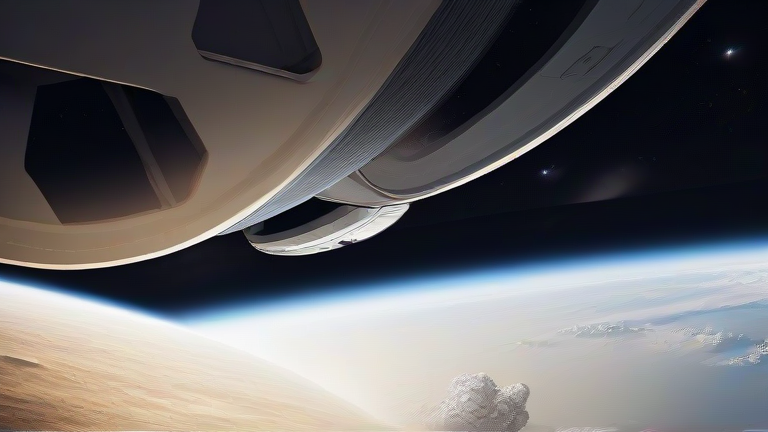
Space Tourism: Now Accessible to the Middle Class

The dream of gazing at Earth from orbit is no longer reserved exclusively for billionaires and elite state astronauts. With the rapid advancement of private aerospace companies, suborbital and orbital space tourism is transitioning from science fiction to a tangible, albeit premium, option for the financially stable middle class. However, before you book your ticket, it is crucial to understand that space travel imposes unique physiological demands on the human body. Preparing for this experience requires more than just financial planning; it demands rigorous physical and mental readiness.
### The Physiological Demands of Launch
The most immediate health challenge in space tourism is the intense G-force experienced during launch and reentry. During a typical suborbital flight, passengers endure accelerations of 3 to 4 Gs for several minutes. This pressure compresses the chest, making breathing difficult, and forces blood away from the brain. To mitigate the risk of G-LOC (G-force induced Loss Of Consciousness), prospective travelers must focus on cardiovascular health and neck strength.
Science-backed advice suggests engaging in isometric neck exercises and aerobic conditioning at least three months prior to your flight. Strengthening the sternocleidomastoid and trapezius muscles helps stabilize the head against the high-G pull, reducing strain and improving comfort. Furthermore, maintaining a healthy body mass index (BMI) is essential, as excess weight can exacerbate the physical stress on the cardiovascular system during acceleration phases.
### Managing Microgravity Effects
Once in orbit, the body enters a state of microgravity. While this feels weightless, it triggers fluid shifts that can cause facial puffiness, nasal congestion, and temporary vision changes known as Spaceflight-Associated Neuro-ocular Syndrome (SANS). To prepare, travelers should practice controlled breathing techniques and stay well-hydrated. Dehydration worsens the symptoms of space motion sickness, which affects up to 70% of first-time space travelers.
Lifestyle tips for pre-flight preparation include adjusting your sleep cycle to match the mission timeline and practicing mindfulness meditation. The confined environment of a spacecraft, combined with the novelty of
Leave a Reply