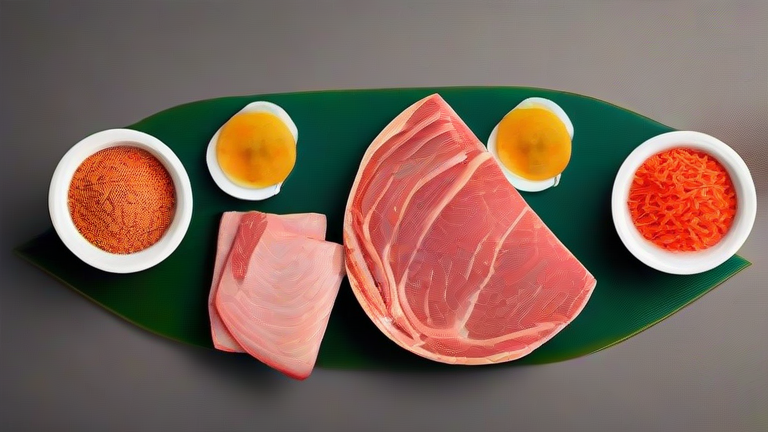
Taste & Texture: How Plant-Based Meats Are Improving
The plant-based meat industry has reached a critical inflection point. No longer defined by the rubbery texture and metallic aftertaste that characterized early iterations, the latest generation of alternatives is achieving a level of sensory fidelity that is challenging even traditional animal agriculture. This evolution is not merely about marketing; it is a triumph of food science, driven by breakthroughs in ingredient sourcing, mechanical processing, and precision fermentation. Today, the focus has shifted from mimicking the appearance of meat to replicating its complex mouthfeel, juiciness, and savory depth with unprecedented accuracy.
At the forefront of this revolution is the integration of heme, specifically soy leghemoglobin, produced through precision fermentation. This bio-identical molecule, originally discovered in the roots of legumes, provides the distinct “bloody” aroma and metallic tang associated with searing beef. Major players like Impossible Foods have utilized this technology to create products that sizzle, brown, and bleed like real meat. However, the innovation does not stop at flavor. Recent developments in extrusion technology have allowed manufacturers to align plant proteins into fibrous structures that closely mimic the muscle fibers of chicken, pork, and beef. High-moisture extrusion forces protein concentrates through heated barrels, creating layered textures that tear and chew similarly to animal tissue, solving one of the most persistent consumer complaints regarding unnatural mouthfeel.
If you want to dig deeper, check out our guide on Urban Vertical Farming: Reducing Food Miles & Boosting Susta.
The Role of Precision Fermentation
Perhaps the most significant leap forward comes from precision fermentation, a process where microorganisms are programmed to produce specific proteins, fats, and flavors. This technology allows companies to isolate and replicate animal fats, such as heme-rich myoglobin and specific saturated fats, using yeast or fungi. These bio-identical fats melt at the same temperature as animal fat, ensuring that plant-based burgers remain juicy and do not dry out during cooking. This is a crucial specification that earlier versions lacked, often resulting in a dry, crumbly product. By incorporating these lab-grown fats, manufacturers can achieve the marbling effect found in premium cuts of steak, elevating the culinary experience from a mere substitute to a gourmet alternative.
The industry impact is profound. As taste and texture gaps close, market penetration is accelerating. Consumers who previously resisted plant-based options due to sensory dissatisfaction are now converting,
Leave a Reply