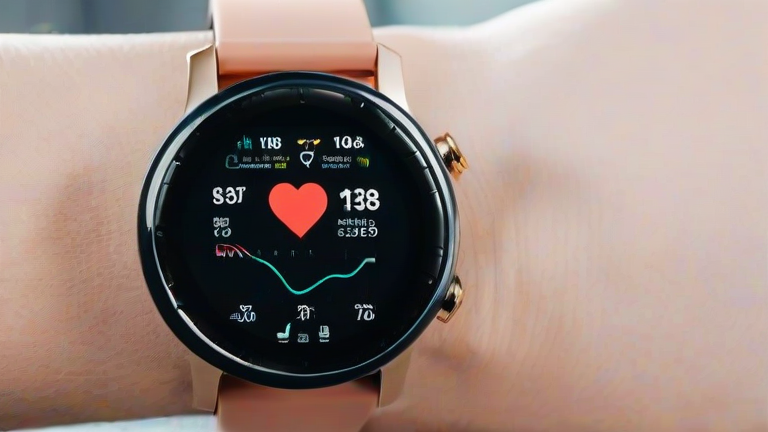
Wearables: Continuous Metabolic & Heart Monitoring
TL;DR: Modern wearables now utilize multi-sensor fusion and advanced algorithms to provide continuous, non-invasive estimates of metabolic rate and detailed cardiac metrics. This technological leap enables real-time health insights for both athletes and those managing chronic conditions, transforming reactive healthcare into proactive management.
The Evolution of Sensor Technology
The landscape of wearable health technology has shifted dramatically from simple step counting to sophisticated physiological monitoring. The latest developments focus on integrating photoplethysmography (PPG), electrocardiography (ECG), and galvanic skin response (GSR) sensors into a cohesive ecosystem. Recent iterations of smartwatches and dedicated biosensors now feature higher sampling rates and improved optical clarity, allowing for the detection of subtle variations in blood flow and heart rate variability (HRV). Crucially, the integration of temperature sensors and humidity monitors allows devices to estimate energy expenditure and metabolic rate more accurately by accounting for environmental factors and basal metabolic rate adjustments.
If you want to dig deeper, check out our guide on From Pilot to Production: AI Agents in the Real World.
Key Specifications and Metrics
Current flagship devices boast specifications that were previously confined to clinical settings. High-frequency PPG sensors sampling at 256 Hz or higher enable the detection of atrial fibrillation and other arrhythmias with clinical-grade accuracy. Metabolic monitoring relies on algorithms that combine heart rate, skin temperature, and movement data to calculate resting metabolic rate (RMR) and active calorie burn. Advanced models now offer continuous glucose monitoring (CGM) integration, providing real-time data on blood glucose levels without the need for finger pricks. Battery life remains a critical specification, with most devices offering 7 to 14 days of continuous use, though always-on ECG and high-frequency PPG monitoring can reduce this to 3 to 5 days. Water resistance ratings typically reach 5 ATM or 10 ATM, ensuring durability during intense physical activities and swimming.
Impact on Industry and Healthcare
The impact of continuous metabolic and heart monitoring extends beyond consumer fitness, permeating the broader healthcare industry. Insurance providers and employers are beginning to recognize the value of preventative health data, leading to partnerships with wearable manufacturers. This data stream allows for early detection of cardiovascular risks, such as hypertension and heart failure, before symptoms become severe. For chronic disease management, patients with diabetes or heart conditions can share real-time data with their healthcare providers, enabling remote patient monitoring and timely interventions. The industry is moving toward interoperability standards, ensuring that data from various wearables can be seamlessly integrated into electronic health records (EHR). This shift not only empowers individuals with greater control over their health but also reduces the burden on healthcare systems by minimizing unnecessary hospital visits and enabling more personalized treatment plans.
FAQ
Q: Are these wearable readings clinically accurate?
A: While not yet a replacement for clinical diagnostics, many features like ECG and arrhythmia detection are FDA-cleared for specific uses, and ongoing studies continue to validate their accuracy against standard medical equipment.
Q: How do these devices estimate metabolic rate without invasive sensors?
A: They use complex algorithms that combine heart rate variability, skin temperature, and physical activity data to model energy expenditure and estimate resting metabolic rate in real-time.
Q: What is the main barrier to widespread adoption in clinical settings?
A: The primary barriers include data privacy concerns, the need for standardized data formats, and the lack of comprehensive reimbursement models for consumer-generated health data in insurance plans.
Leave a Reply