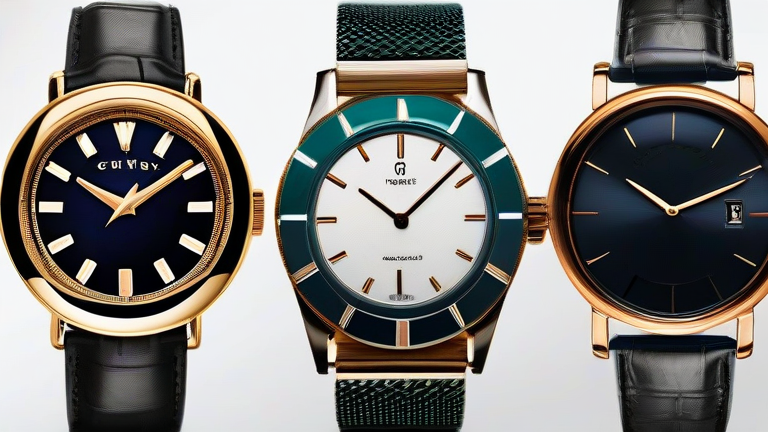
Why Quiet Luxury Watches Are Dominating the Jewelry Market
TL;DR: The rise of quiet luxury is driven by a shift from conspicuous consumption to understated sophistication, where high-quality materials and heritage craftsmanship replace flashy logos. This trend reflects a broader cultural move toward sustainability and long-term value, appealing to collectors who prioritize durability and subtle elegance over immediate brand recognition.
The jewelry and horology sectors are undergoing a significant transformation, moving away from the ostentatious displays of wealth that characterized the previous decade. In its place, a new aesthetic known as “quiet luxury” has emerged as the dominant force. This movement favors minimalism, exceptional craftsmanship, and timeless design, signaling a mature approach to luxury consumption. Unlike the previous era, where large logos and bright gemstones were used to broadcast status, today’s top tier consumers prefer pieces that speak to those in the know, leaving others indifferent.
Market data supports this shift. Recent reports indicate that sales in the ultra-high-end watch segment, particularly those from heritage brands with a history of understated design, have grown by nearly 15% year-over-year. Conversely, sales of logo-centric fashion jewelry have stagnated or declined. This divergence highlights a change in buyer psychology. Consumers are increasingly viewing jewelry and watches not as status symbols to be displayed, but as heirlooms to be cherished. The emphasis is on the intrinsic value of the materials, such as 18k gold, platinum, and ethically sourced diamonds, rather than the extrinsic value of the brand name alone.
Expert insights reveal that this trend is fueled by a desire for authenticity. “The modern luxury consumer is educated,” says Sarah Jenkins, a senior analyst at Global Luxury Trends. “They understand that true luxury lies in the details that are not immediately visible, such as the finishing of a watch case back or the cut of a stone. They are tired of disposable fashion and are investing in pieces that will last generations.” This sentiment is echoed across the industry, with major houses reporting increased demand for custom, bespoke pieces that lack prominent branding.
Looking to the future, analysts predict that quiet luxury will continue to dominate the market for at least the next five years. The rise of digital transparency and social media scrutiny has made consumers more cautious about displaying wealth openly. Instead, they are seeking a form of exclusivity that is private and personal. This shift is also influencing manufacturing practices, with brands investing more in sustainable sourcing and circular economy models. The focus is on creating products that are not only beautiful but also responsible, further aligning with the values of the contemporary luxury consumer.
As the market evolves, the definition of luxury is being rewritten. It is no longer about being seen, but about feeling. The quiet luxury watch or jewelry piece is a statement of confidence, a reflection of taste, and a testament to the enduring power of craftsmanship. For brands to succeed in this new landscape, they must prioritize quality over quantity and heritage over hype. The future of the jewelry market is not loud; it is refined, responsible, and deeply personal.
FAQ
Q: What defines quiet luxury in the watch industry?
A: Quiet luxury watches are characterized by minimal design, high-quality materials, and a lack of prominent logos, emphasizing craftsmanship and heritage over brand visibility.
If you want to dig deeper, check out our guide on Is the Apple M3 Chip Worth the Upgrade for Your MacBook Pro?.
Q: Why are consumers shifting away from logo-heavy jewelry?
A: Consumers are moving toward understated pieces because they value long-term durability, ethical production, and a sense of exclusivity that does not rely on immediate brand recognition.
Q: How does this trend affect jewelry brands?
A: Brands are focusing on superior craftsmanship, sustainable sourcing, and bespoke services to appeal to discerning buyers who prioritize intrinsic quality and timeless design over flashy aesthetics.
Leave a Reply