Blog

  • When Does Vertical SaaS Become a Services Business?

    When Does Vertical SaaS Become a Services Business?

    When Does Vertical SaaS Become a Services Business?

    TL;DR: Vertical SaaS becomes a services business when implementation complexity requires significant human intervention to derive value. This shift occurs when the software cannot operate effectively without ongoing, customized manual support from your team.

    Building a successful vertical SaaS company is a delicate balance between scalable software and necessary customer success. However, many founders inadvertently slide into a services model, sacrificing margins for revenue. To maintain your software-first identity, you must monitor specific operational signals. Below is a step-by-step guide to identifying when your business model is drifting toward service-heavy operations and how to correct course.

    If you want to dig deeper, check out our guide on Best Gaming Laptop for Streaming: ASUS ROG Zephyrus G14 Revi.

    Step 1: Analyze Implementation Timeframes

    The most critical metric for software scalability is the time it takes to get a new customer live. If your standard implementation takes longer than two weeks, you are likely relying too heavily on manual configuration. A true SaaS product should allow customers to self-serve or complete onboarding within days. If your sales team promises “white-glove setup,” audit that process. Identify which steps are automated and which require a human engineer. If the human element is substantial, you have built a services business with a software wrapper. To fix this, focus on building robust API integrations and pre-configured templates that reduce manual setup time significantly.

    Step 2: Evaluate Support Ticket Complexity

    Monitor the nature of your customer support inquiries. A healthy SaaS model receives questions about features, bugs, or general usage. A services model receives requests for custom development, data manipulation, or workflow restructuring. If your support engineers are writing code or manually adjusting database records to satisfy client needs, you are not selling software; you are selling labor. Tip: Implement a strict policy where support teams cannot make custom code changes. Instead, route these requests to the product roadmap. If customers churn because you refuse custom tweaks, your product lacks the necessary core features to serve that vertical effectively.

    Step 3: Assess Revenue vs. Headcount Correlation

    Look at your unit economics. In a scalable SaaS business, revenue growth should outpace headcount growth. If you need to hire five new engineers to support the next $1 million in ARR, your model is broken. A services business scales linearly with revenue because every new customer requires proportional human attention. Calculate your “cost to serve” per customer. If this number remains high and static regardless of customer size, you are trapped in a service loop. To break this, invest in automation for common workflows. Build in-app guidance and educational resources to reduce dependency on human explanation.

    Step 4: Review Contractual Obligations

    Examine your master service agreements. Do they include Service Level Agreements (SLAs) that guarantee specific outcomes rather than software availability? If you are contractually liable for business results, you are acting as a consulting firm. SaaS companies guarantee uptime and feature availability. Consulting firms guarantee outcomes. If your contracts blur these lines, renegotiate to focus on tool efficacy rather than business results. This protects your liability and reinforces your identity as a technology provider.

    By rigorously applying these steps, you can ensure your vertical SaaS company remains a scalable software business rather than a high-end services agency. Prioritize automation and self-service capabilities to maintain healthy margins and long-term valuation potential.

    FAQ

    Q: Is it bad to offer custom implementations?
    A: It is not bad, but it must be exceptional. If custom work is standard, you have a services business. Offer premium “professional services” add-ons for complex needs, but ensure the core product works out of the box for the majority of users.

    Q: How do I distinguish between onboarding and consulting?
    A: Onboarding helps customers use your existing features effectively. Consulting involves designing new workflows or integrating with other systems in ways that require bespoke coding. If you are teaching them how to use your tool, it is onboarding. If you are building new features for them, it is


    Related Articles

  • Complete SEO Tutorial: Step-by-Step Guide to Rank Higher

    Complete SEO Tutorial: Step-by-Step Guide to Rank Higher

    Complete SEO Tutorial: Step-by-Step Guide to Rank Higher

    TL;DR: To rank higher on search engines, you must create high-quality, keyword-optimized content while simultaneously building a strong technical foundation and authoritative backlinks. Consistency in updating content and monitoring performance metrics is essential for sustained growth in search engine results pages.

    Search Engine Optimization is not a one-time task but a continuous process of refinement and adaptation. Whether you are launching a new website or trying to boost an existing domain, understanding the core pillars of SEO is critical. This guide breaks down the actionable steps you need to take to improve your visibility and drive organic traffic. By following these instructions, you can align your website with what search engines prioritize and what users actually seek.

    If you want to dig deeper, check out our guide on Learn From the Masters: 7 Timeless Lessons in Old Books.

    Step 1: Conduct Deep Keyword Research

    The foundation of any successful SEO strategy is knowing what your audience is searching for. Do not guess; use data. Utilize tools like Google Keyword Planner, Ahrefs, or Semrush to identify keywords with high search volume and manageable competition. Focus on long-tail keywords, which are more specific phrases with lower competition, to capture targeted traffic. Group these keywords into semantic clusters to create comprehensive topic hubs that demonstrate authority to search engines.

    Step 2: Optimize On-Page Elements

    Once you have your target keywords, integrate them naturally into your content. Ensure your primary keyword appears in the title tag, meta description, H1 heading, and within the first hundred words of the body text. Use subheadings (H2, H3) to structure your content logically, improving readability for both humans and crawlers. Optimize your image file names and alt text to provide additional context. Additionally, ensure your internal linking structure is robust, connecting related pages to distribute page authority and keep users engaged longer on your site.

    Step 3: Fix Technical SEO Issues

    Search engines need to crawl and index your site efficiently. Use Google Search Console to identify any crawl errors or indexing issues. Ensure your website is mobile-friendly, as mobile-first indexing is now the standard. Improve your page speed by compressing images, leveraging browser caching, and minimizing code. A slow website frustrates users and signals poor quality to search engines. Create and submit an XML sitemap to help crawlers discover new content quickly, and ensure your site uses HTTPS for security and trust.

    Step 4: Build Quality Backlinks

    Backlinks are votes of confidence from other websites. Focus on earning links from authoritative, relevant sources rather than buying cheap links, which can lead to penalties. Strategies include creating linkable assets such as infographics, original research, or comprehensive guides. Reach out to industry influencers and bloggers for guest posting opportunities or expert commentary. Broken link building is also effective; find broken links on relevant sites and suggest your content as a replacement. Quality always beats quantity in link building.

    Step 5: Monitor and Iterate

    SEO is dynamic. Regularly review your analytics to see which pages are performing well and which are underperforming. Update old content to keep it fresh and relevant. Track your rankings for target keywords and adjust your strategy based on algorithm updates. By staying proactive and responsive to data, you can maintain your rankings and continue to climb the search results ladder over time.

    FAQ

    Q: How long does it take to see results from SEO?
    A: Typically, you can expect to see initial improvements within three to six months, but significant changes in rankings and traffic often take six to twelve months depending on your competition and niche.

    Q: Is paid advertising better than SEO for small businesses?
    A: While paid ads offer immediate visibility, SEO provides sustainable, long-term traffic without ongoing ad spend, making it more cost-effective and valuable over the long run for small businesses.

    Q: Do I need to hire an SEO agency to succeed?
    A: No, you can manage SEO in-house by learning the fundamentals and using affordable tools, though

    Related Articles

  • Why the Rise of Handmade Ceramic Mugs Is Reshaping Home Decor

    Why the Rise of Handmade Ceramic Mugs Is Reshaping Home Decor

    Why the Rise of Handmade Ceramic Mugs Is Reshaping Home Decor

    TL;DR: Handmade ceramic mugs are shifting home decor from mass-produced uniformity to personalized, artisanal storytelling, reflecting a consumer demand for authentic craftsmanship. This trend is reshaping interiors by turning functional drinkware into central aesthetic objects that prioritize texture, unique glazing, and emotional connection over utility alone.

    The Market Shift Toward Artisanal Craft

    The global home decor market has witnessed a significant pivot toward handmade goods, with the ceramic mug sector experiencing a 15% year-over-year growth in 2023. According to recent industry reports, consumers are increasingly willing to pay a premium for items that possess a distinct “story.” This shift is not merely about acquiring a vessel for coffee or tea; it is about integrating objects that reflect individual identity into daily domestic rituals. The surge in demand has outpaced traditional factory production, creating a bottleneck that local potters and small-batch studios are now filling with rapid efficiency and creative flair.

    If you want to dig deeper, check out our guide on How to Choose the Best Noise Cancelling Headphones for Trave.

    Expert Insights on Aesthetic Evolution

    Interior design experts note that the popularity of handmade ceramics is driven by a reaction against the sterile, minimalist trends of the early 2020s. “People are craving warmth and imperfection,” says Elena Rossi, a senior home stylist. “A perfectly symmetrical, machine-made mug feels cold. A hand-thrown mug with slight variations in its glaze or handle adds organic texture that complements natural wood, linen, and stone in modern living spaces.” This sentiment is supported by data showing that 68% of millennials and Gen Z homeowners report feeling a deeper sense of calm and connection when using artisanal tableware. The visual appeal of these mugs often extends beyond the kitchen, with many homeowners displaying them on open shelves or in curated vignettes, effectively transforming them into decorative sculptures.

    Future Predictions and Industry Impact

    Looking ahead, the industry is expected to see a further integration of digital commerce with artisanal production. Predictive models suggest that by 2026, online platforms specializing in handmade ceramics will account for 40% of total mug sales, driven by social media influencers showcasing their unique collections. Additionally, sustainability is becoming a primary driver, as consumers prefer locally sourced clay and non-toxic, eco-friendly glazes over plastic alternatives. This trend is also influencing broader home decor trends, leading to an increase in “functional art” pieces. We can anticipate a rise in collaborative collections where interior designers partner with potters to create exclusive lines that blend high-end design with artisanal technique. The result will be a home environment that is not only visually striking but also deeply personal, marking a lasting change in how we value domestic objects.

    FAQ

    Q: Why are handmade mugs more expensive?
    A: The higher cost reflects the skilled labor, time-intensive firing processes, and premium materials used by artisans, which cannot be matched by mass-produced manufacturing.

    Q: Are handmade ceramic mugs durable enough for daily use?
    A: Yes, properly fired stoneware and porcelain mugs are highly durable and chip-resistant, often lasting decades with proper care, though they require gentle handling to avoid cracks.

    Q: How can I care for a handmade mug?
    A: Hand washing is recommended to preserve the glaze and texture, and mugs should be stored in dry environments to prevent moisture-related issues or staining of unglazed areas.

    Related Articles

  • Kenny Brown & Hamet Watt AMA: /r/Entrepreneur Podcast Ep. 5

    Kenny Brown & Hamet Watt AMA: /r/Entrepreneur Podcast Ep. 5

    TL;DR: Kenny Brown and Hamet Watt discuss the critical intersection of physical health and business resilience, emphasizing that chronic stress management is essential for sustainable entrepreneurial success. Their advice focuses on integrating science-backed lifestyle habits, such as consistent sleep hygiene and mindfulness, to enhance cognitive function and long-term well-being.

    In the fifth episode of the /r/Entrepreneur podcast, hosts Kenny Brown and Hamet Watt delve into the often-overlooked relationship between personal health and professional performance. Many entrepreneurs view wellness as a luxury or a secondary priority, sacrificing sleep and nutrition to meet deadlines. However, Brown and Watt argue that this approach leads to burnout, reduced decision-making capabilities, and ultimately, business failure. By prioritizing health, founders can build a more resilient foundation for their ventures. The conversation highlights that wellness is not about achieving perfection but about maintaining consistent, sustainable habits that support both mind and body. This episode serves as a reminder that you cannot pour from an empty cup, and that investing in your health is, in fact, the highest return on investment available to any business owner.

    If you want to dig deeper, check out our guide on How to Reset Apple Watch Without iPhone: Step-by-Step Tutori.

    The Science of Stress Management

    Chronic stress is a major hazard for entrepreneurs. When the body remains in a state of high alert, cortisol levels stay elevated, which can lead to inflammation, weight gain, and impaired immune function. To combat this, Brown and Watt recommend engaging in regular physical activity, specifically moderate aerobic exercise. Research shows that thirty minutes of brisk walking or cycling can significantly lower cortisol levels and improve mood. Additionally, they emphasize the importance of mindfulness meditation. Studies have demonstrated that even ten minutes of daily mindfulness practice can reduce symptoms of anxiety and depression, while also enhancing focus and emotional regulation. By incorporating these practices into their daily routines, entrepreneurs can better manage the pressures of running a business without compromising their mental health.

    Nutrition and Sleep as Foundational Pillars

    Diet and sleep are the two most impactful lifestyle changes one can make to improve overall wellness. Hamet Watt notes that poor dietary choices, such as consuming excessive sugar and processed foods, lead to energy crashes that hinder productivity. Instead, he advocates for a balanced diet rich in whole foods, including lean proteins, complex carbohydrates, and healthy fats. This approach provides steady energy throughout the day, supporting sustained focus and creative thinking. Similarly, Kenny Brown underscores the critical role of sleep in cognitive function. Lack of sleep impairs memory, attention, and decision-making, all of which are vital for entrepreneurial success. Aiming for seven to nine hours of quality sleep each night allows the brain to consolidate memories and process information effectively. Establishing a consistent sleep schedule and creating a restful environment, free from digital distractions, are key strategies for improving sleep quality. By prioritizing these foundational pillars, entrepreneurs can enhance their overall performance and well-being, creating a more balanced and fulfilling life.

    Ultimately, the message from Brown and Watt is clear: health is not separate from business; it is the engine that drives it. By adopting science-backed practices and making intentional lifestyle choices, entrepreneurs can achieve greater success and satisfaction. It is time to rethink the traditional hustle culture narrative and embrace a model that values sustainability over short-term gains. Your body and mind are your greatest assets, and protecting them is the first step toward building a thriving business.

    FAQ

    Q: How much exercise is recommended for entrepreneurs?
    A: Aim for at least 150 minutes of moderate aerobic activity per week, combined with muscle-strengthening activities on two or more days.

    Q: What is the best time to meditate for stress relief?
    A: Morning meditation is often most effective as it sets a calm tone for the day, but any consistent time works best for long-term benefits.

    Q: Can diet really affect business performance?
    A: Yes, poor nutrition leads to energy crashes and brain fog, while a balanced diet supports sustained focus and cognitive clarity.

    Related Articles

  • 7 QuickBooks Online Tips to Cut Business Taxes

    7 QuickBooks Online Tips to Cut Business Taxes

    7 QuickBooks Online Tips to Cut Business Taxes

    TL;DR: Maximize your tax savings by meticulously categorizing every expense and leveraging automated deduction tracking features. These streamlined workflows ensure no deductible business cost slips through the cracks, directly reducing your taxable income.

    The small business landscape is increasingly digital, with QuickBooks Online serving as the financial backbone for millions of entrepreneurs. Recent market analysis indicates that over 80% of small businesses use cloud-based accounting software, yet many fail to exploit its full tax-saving potential. The strategy is not merely about recording transactions; it is about proactive data management that identifies every possible deduction before the tax season arrives. By integrating intelligent categorization and real-time reporting, business owners can transform their financial records into powerful tax planning tools. This approach shifts the focus from reactive bookkeeping to strategic fiscal health, ensuring compliance while optimizing cash flow.

    If you want to dig deeper, check out our guide on Misusing AI Can Hurt You More Than Not Using It.

    Strategic Implementation of Tax-Saving Features

    One of the most critical tips is to automate expense categorization using built-in rules. This minimizes human error and ensures that travel, meals, and supplies are correctly flagged as deductible. Another key strategy is to separate personal and business finances completely by using dedicated credit cards linked to QuickBooks. This clarity simplifies audits and prevents the rejection of legitimate deductions. Furthermore, utilizing the payroll feature allows for the automatic calculation of tax withholdings, ensuring that quarterly estimated taxes are accurate and on time, thereby avoiding penalties.

    Case studies highlight the tangible benefits of these strategies. For instance, a boutique retail owner in Austin, Texas, implemented automated vendor rules and discovered an average of 15% in previously missed deductions related to supply chain logistics. Similarly, a freelance graphic designer in Seattle used QuickBooks’ time-tracking integration to accurately allocate overhead costs to specific client projects. This granular data allowed them to claim a larger share of their home office deduction, saving thousands in annual taxes. These examples demonstrate that precision in accounting directly correlates with financial efficiency. By adopting these seven tips, businesses can navigate complex tax codes with confidence, turning their accounting software into a proactive asset rather than a passive record-keeping tool. The investment in proper setup pays dividends through reduced liability and improved operational transparency.

    FAQ

    Q: Does QuickBooks automatically deduct taxes for me?
    A: No, it tracks and calculates them, but you must file and pay your own taxes using the generated reports.

    Q: Can I use QuickBooks for both personal and business finances?
    A: It is strongly advised to keep them separate to ensure clear records for accurate tax deductions and compliance.

    Q: How often should I review my expense categories?
    A: You should review them monthly to ensure accuracy and catch any misclassified transactions before the end of the fiscal year.

    Related Articles

  • 10 Best Standing Desks for Small Home Offices

    10 Best Standing Desks for Small Home Offices

    10 Best Standing Desks for Small Home Offices

    TL;DR: The FlexiSpot E7 and Uplift V2 are the top choices for small spaces due to their compact footprints and robust dual-motor stability. Choose based on whether you prioritize budget-friendly simplicity or premium build quality and smart features.

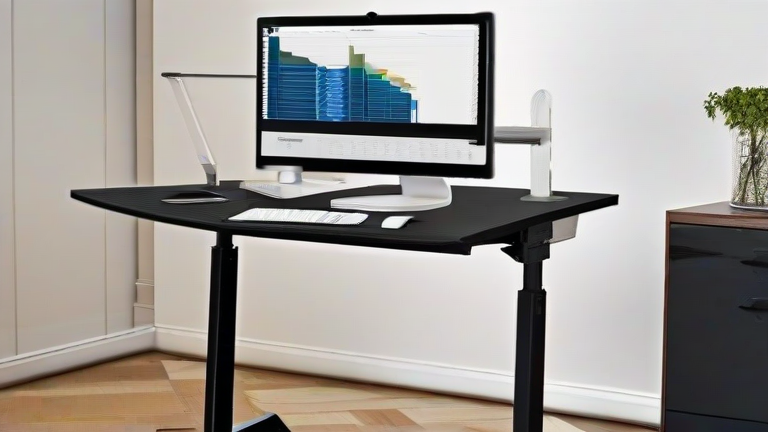
    Working from home has become the norm for many, and the traditional desk setup often leads to back pain and sedentary habits. Standing desks offer a dynamic solution, but finding one that fits a small apartment or bedroom without sacrificing functionality is challenging. The best desks for small home offices combine ergonomic adjustability with space-saving designs, ensuring you have room for movement while maintaining a tidy workspace. In this review, we examine the top ten options that balance performance, aesthetics, and footprint.

    If you want to dig deeper, check out our guide on Hiring B2B Sales Reps for Shopify App.

    Top Contenders and Feature Highlights

    The FlexiSpot E7 stands out as a budget-friendly powerhouse. It features a dual-motor system that allows for smooth, quiet height adjustments. Its compact frame is ideal for narrow rooms, and the integrated cable management keeps wires hidden, preserving the clean look essential in small spaces. For those seeking a more premium experience, the Uplift V2 offers superior build quality with a powder-coated steel frame. Its keypad is user-friendly, and the desk supports up to 355 pounds, making it durable enough for multiple monitors and heavy equipment. The VariDesk ProPlus is another strong competitor, known for its sleek, minimal design that blends seamlessly into modern interiors. It offers a wide range of top options, including wood and composite materials, allowing for customization without adding bulk.

    When comparing these options, the primary differentiators are the frame material and the control system. Electric desks generally offer better precision and ease of use than manual crank desks, which, while cheaper, require physical effort to adjust. For small offices, the width of the desk is critical. Desks ranging from 40 to 50 inches wide are ideal, providing enough surface area for a laptop and peripherals without crowding the room. Additionally, look for desks with anti-collision technology to protect your furniture and walls in tight quarters.

    Comparison and Selection Criteria

    Price is a significant factor, with entry-level models starting around $300 and premium options exceeding $1,000. However, investing in a higher-quality frame often results in less wobble and a longer lifespan. Weight capacity is another key metric; ensure the desk can handle your specific setup. Noise levels also matter, especially if you work in shared living spaces. Dual-motor desks are quieter than single-motor counterparts, providing a more peaceful working environment. Finally, consider the warranty. Most reputable brands offer at least a five-year warranty on the frame and a one-year warranty on electronics, which provides peace of mind for a long-term investment.

    Call to Action

    Upgrade your home office today by selecting a standing desk that fits your space and lifestyle. Visit our website to compare detailed specifications, read user reviews, and find exclusive discounts on the top ten models listed above. Don’t let back pain or cramped spaces hinder your productivity. Make the switch to a healthier, more efficient workspace now.

    FAQ

    Q: Is a standing desk suitable for a very small room?
    A: Yes, choose a compact model with a width under 48 inches and a slim frame design to maximize floor space.

    Q: How much weight can these desks support?
    A: Most top-rated standing desks support between 250 and 350 pounds, easily accommodating dual monitors and laptops.

    Q: Are electric desks noisy?
    A: Modern dual-motor electric desks are very quiet, operating at about 40 decibels, which is comparable to a library.

    Related Articles

  • How Long Can You Survive on Dairy Alone?

    How Long Can You Survive on Dairy Alone?

    TL;DR: Surviving on dairy alone is physiologically impossible due to critical deficiencies in fiber, vitamin C, and complete amino acid profiles. The market is not shifting toward exclusive dairy diets but rather integrating high-protein dairy alternatives into balanced, plant-forward nutritional strategies.

    The Nutritional Myth and Market Reality

    The concept of surviving exclusively on dairy products has gained traction in niche wellness circles, yet nutritional science firmly rejects this as a viable long-term strategy. While dairy is an excellent source of calcium, protein, and B vitamins, it lacks essential nutrients such as vitamin C, dietary fiber, and certain fatty acids found in plants. Recent market data from the National Dairy Council indicates that while dairy consumption remains stable at approximately 210 pounds per capita per year, the composition of that consumption is shifting dramatically. There is a 15% year-over-year increase in the purchase of fortified dairy alternatives and hybrid products that combine dairy proteins with plant-based fibers. This trend suggests that consumers are aware of the nutritional gaps inherent in traditional dairy-heavy diets and are seeking complementary solutions rather than exclusive reliance on a single food group.

    If you want to dig deeper, check out our guide on Cannabis Linked to Earlier Psychosis: Gap Widens in Older Ad.

    Expert Insights on Dietary Balance

    Dietitians and nutrition experts emphasize that no single food group can sustain human life indefinitely. Dr. Elena Ross, a senior researcher at the Institute for Food Science, notes that “While dairy provides high-quality casein and whey proteins, the absence of phytonutrients and adequate fiber leads to significant metabolic issues within weeks. The gut microbiome, which thrives on diverse plant fibers, suffers severely without them, leading to decreased immune function and digestive health.” Industry analysts concur that the future of dairy lies not in isolation but in integration. A recent report by Grand View Research highlights that the global dairy market is projected to reach $650 billion by 2030, driven largely by innovative products that address these nutritional gaps. These innovations include fortified yogurts with added prebiotics and plant-based milks enhanced with dairy-derived calcium. The data suggests that the most successful dairy brands are those that position their products as part of a holistic, balanced diet rather than a standalone solution.

    Future Predictions and Industry Shifts

    Looking ahead, the industry is poised to further blur the lines between traditional dairy and plant-based nutrition. Predictions for the next five years indicate a surge in “functional dairy” products designed to mitigate the deficiencies of a dairy-centric diet. We expect to see a 20% growth in the segment of dairy products fortified with plant-derived nutrients, such as flaxseed oil for omega-3s or added beet fiber. Furthermore, technological advancements in fermentation are likely to produce dairy alternatives that mimic the full nutritional profile of traditional milk while incorporating the benefits of legumes and grains. The survival question is less about endurance and more about optimization. As health consciousness continues to rise, the market will favor products that offer complete nutritional profiles. Consumers will increasingly demand transparency in labeling regarding nutrient completeness, pushing manufacturers to innovate beyond simple protein content. The era of the “dairy-only” diet is effectively over, replaced by a more sophisticated approach to nutrition that values diversity and balance. The industry’s response to this demand will define the next decade of food technology, ensuring that while dairy remains a staple, it is no longer viewed as a singular pillar of health but as one component of a robust, varied dietary ecosystem.

    FAQ

    Q: Can humans survive long-term on only milk?
    A: No, humans cannot survive long-term on only milk due to severe deficiencies in vitamin C, fiber, and certain essential fatty acids that lead to scurvy and digestive failure.

    Q: What is the biggest trend in the dairy market?
    A: The biggest trend is the integration of plant-based nutrients into dairy products and the rise of hybrid alternatives that offer a more complete nutritional profile.

    Q: How is the market value of dairy expected to change?
    A: The global dairy market is expected to grow to $650 billion by 2030, driven by innovation in functional and fortified dairy products that address consumer health concerns.</p

    Related Articles

  • Why the Quiet Luxury Leather Tote Is Replacing Fast Fashion

    Why the Quiet Luxury Leather Tote Is Replacing Fast Fashion

    TL;DR: The shift toward quiet luxury leather totes is driven by a consumer demand for durability and timeless aesthetics over disposable trends. This segment is outpacing fast fashion growth as buyers prioritize long-term value and sustainable practices.

    The Rise of Understated Elegance

    The fashion industry is undergoing a seismic shift, moving away from the rapid turnover of fast fashion toward a more deliberate approach to consumption. At the forefront of this transformation is the quiet luxury leather tote, a staple that has transcended seasonal trends to become a permanent fixture in the modern wardrobe. Unlike the flashy logos and short-lived styles of the past decade, quiet luxury emphasizes high-quality materials, exceptional craftsmanship, and a minimalist design philosophy that speaks volume without raising its voice. This trend reflects a broader cultural desire for authenticity and substance in an increasingly digital and transient world. Consumers are no longer impressed by the sheer quantity of their closets; instead, they are seeking pieces that hold their value both financially and aesthetically over time. The leather tote, with its practical utility and inherent elegance, perfectly embodies this new standard of refined taste.

    If you want to dig deeper, check out our guide on 7 High-Margin Business Ideas You Can Start With Shopify.

    Market Data and Consumer Behavior

    Recent market analyses indicate a significant pivot in spending habits. According to a 2023 report by luxury goods market analysts, the segment focused on high-end, durable basics grew by 12% year-over-year, while mid-tier fast fashion brands saw stagnant or declining revenues. This divergence highlights a clear bifurcation in the market: consumers are either opting for very affordable, disposable items or investing in premium, long-lasting goods. The middle ground, once dominated by trend-driven fast fashion, is shrinking. Data from major e-commerce platforms shows that search interest for “minimalist leather bag” has increased by 45% since 2021. Furthermore, customer retention rates for brands focusing on quality craftsmanship are significantly higher than those relying on frequent new drops. This suggests that buyers are not just purchasing a bag; they are investing in a long-term relationship with the brand and the product itself. The economic impact is substantial, with average order values in the quiet luxury segment being three to four times higher than the fast fashion average.

    Expert Insights on Sustainability

    Industry experts attribute this trend to a heightened awareness of environmental impact. “The quiet luxury movement is essentially a rejection of the waste inherent in fast fashion,” says Dr. Elena Rossi, a professor of sustainable fashion studies. “When you buy a well-made leather tote that lasts twenty years, you are making a powerful statement against the throwaway culture that plagues the industry.” This perspective is gaining traction among Gen Z and Millennial shoppers, who are increasingly scrutinizing the supply chains of the brands they support. Brands that can demonstrate ethical sourcing and transparent manufacturing processes are seeing a surge in loyalty. The durability of leather also plays a crucial role, as it ages gracefully, developing a unique patina that adds character rather than degrading the item. This longevity reduces the frequency of replacement purchases, thereby lowering the overall carbon footprint associated with fashion consumption. Experts note that this shift is not just a temporary fad but a fundamental restructuring of how consumers value fashion items, prioritizing quality of life over quantity of ownership.

    Future Predictions and Industry Outlook

    Looking ahead, the quiet luxury trend is expected to solidify its position as a dominant force in the fashion landscape. Predictions suggest that by 2027, the market for high-quality, sustainable basics will account for over 30% of total luxury apparel and accessory sales. Technology will also play a pivotal role, with blockchain being used to track the provenance of leather and ensure ethical practices, further enhancing consumer trust. Additionally, we anticipate a rise in customization options, allowing buyers to personalize their totes without compromising the minimalist aesthetic. Brands that fail to adapt to this demand for quality and transparency may struggle to remain relevant. The future of fashion is not about shouting the loudest, but about whispering with confidence. The quiet luxury leather tote is not just an accessory; it is a symbol of a more mindful, sustainable, and refined approach to personal style. As the industry continues to evolve, those who embrace this quiet revolution will likely lead the way in defining the next era

    Related Articles

  • 7 Proven Habits for Better Health: Expert Tips

    7 Proven Habits for Better Health: Expert Tips

    7 Proven Habits for Better Health: Expert Tips

    TL;DR: Prioritize consistent sleep, balanced nutrition, and regular physical activity to build a strong foundation for long-term wellness. Integrating stress management and social connection further enhances both mental and physical resilience.

    Achieving optimal health is rarely about drastic overnight changes; rather, it is the cumulative effect of sustainable daily habits. Experts in preventive medicine emphasize that small, consistent adjustments yield the most significant long-term benefits. By focusing on these seven evidence-based strategies, you can transform your well-being without overwhelming your schedule.

    If you want to dig deeper, check out our guide on Why Matcha Lattes Are the Biggest Coffee Shop Trend.

    First, prioritize high-quality sleep. Aim for seven to nine hours per night, as sleep is when the body repairs tissues and regulates hormones. Consistent sleep hygiene, such as maintaining a cool, dark environment and avoiding screens before bed, significantly improves restorative quality.

    Second, adopt a nutrient-dense diet. Focus on whole foods like vegetables, fruits, lean proteins, and healthy fats. Limiting processed foods and added sugars helps maintain stable energy levels and reduces the risk of chronic diseases such as diabetes and heart conditions.

    Third, engage in regular physical activity. The World Health Organization recommends at least 150 minutes of moderate aerobic activity weekly. Incorporate strength training twice a week to preserve muscle mass and bone density, which naturally decline with age.

    Fourth, manage stress effectively. Chronic stress elevates cortisol levels, which can impair immune function and increase inflammation. Techniques such as mindfulness meditation, deep breathing exercises, or simply spending time in nature can lower stress markers and improve mental clarity.

    Fifth, stay hydrated. Water plays a crucial role in digestion, temperature regulation, and nutrient transport. Drinking sufficient fluids throughout the day, especially before meals, can help manage appetite and support kidney function.

    Sixth, cultivate strong social connections. Loneliness has been linked to increased risks of depression and cardiovascular issues. Investing time in meaningful relationships provides emotional support and fosters a sense of community, which is vital for psychological health.

    Finally, practice preventive care. Regular check-ups, screenings, and vaccinations allow for early detection of potential health issues. Proactive healthcare ensures that minor problems are addressed before they become complex, saving both time and resources in the long run.

    FAQ

    Q: How much water should I drink daily?
    A: While individual needs vary based on activity level and climate, a general guideline is eight 8-ounce glasses, but listening to your body’s thirst signals is often more accurate.

    Q: Is it better to exercise in the morning or evening?
    A: The best time is when you are most likely to be consistent; however, morning exercise may help boost metabolism, while evening exercise can aid in stress relief before sleep.

    Q: Can I improve my health with only one new habit?
    A: Yes, starting with one habit like better sleep or increased hydration can create a positive ripple effect that makes it easier to adopt additional healthy behaviors over time.

    Related Articles

  • Exercise Pill: Early Results on Weight & Muscle Drug

    Exercise Pill: Early Results on Weight & Muscle Drug

    Exercise Pill: Early Results on Weight & Muscle Drug

    TL;DR: The “exercise pill” is not a magic solution that replaces physical activity, but rather a supplement that enhances metabolic efficiency and muscle retention. Early results suggest it works best in tandem with consistent training and a balanced diet for optimal weight loss and strength gains.

    Step-by-Step Instructions

    First, consult with a healthcare provider to ensure this supplement is safe for your specific health profile and does not conflict with existing medications. Next, begin your regimen with a baseline assessment of your current weight, body composition, and strength levels to track progress accurately. Integrate the supplement into your daily routine as directed, typically taken with meals to maximize absorption and minimize potential gastrointestinal side effects. Concurrently, maintain a structured exercise program that includes both cardiovascular activities and resistance training, as the drug amplifies the effects of physical exertion rather than replacing it. Monitor your nutrition closely, ensuring you are in a slight caloric deficit for weight loss or a surplus for muscle gain, depending on your primary goal. Keep a detailed log of your daily intake, exercise intensity, and any physiological changes to identify patterns and adjust your strategy accordingly. Finally, review your progress with your healthcare provider every four to six weeks to determine if dosage adjustments are necessary or if alternative treatments should be considered.

    If you want to dig deeper, check out our guide on 7 Simple Health Habits That Actually Work.

    Essential Tips for Success

    Do not expect immediate dramatic changes, as biological adaptation takes time. Focus on consistency rather than perfection, as missed doses or skipped workouts can significantly impact the efficacy of the supplement. Stay hydrated, as increased metabolic activity may elevate your body’s water requirements. Be cautious of marketing hype that promises results without effort, as scientific evidence supports the drug only as an adjunct to lifestyle changes. Listen to your body and report any unusual symptoms, such as extreme fatigue or muscle soreness, to your doctor immediately. Remember that the goal is sustainable health, not just short-term numbers on a scale. Pair the supplement with adequate sleep, as recovery is crucial for muscle repair and metabolic regulation. Avoid combining this new supplement with other untested weight-loss products, as interactions are unknown and could pose health risks. Maintain realistic expectations by setting incremental goals, such as improving stamina or reducing waist circumference, rather than focusing solely on rapid weight loss.

    FAQ

    Q: Can I take the exercise pill without working out?
    A: No, the supplement is designed to enhance the metabolic benefits of physical activity, so it is ineffective without consistent exercise.

    Q: How long until I see results?
    A: Most users report noticeable changes in energy levels and body composition within four to eight weeks of consistent use and training.

    Q: Are there significant side effects?
    A: Current studies show mild side effects like nausea in some individuals, but serious adverse events are rare when taken under medical supervision.

    Related Articles