Blog

  • Why I Switched from MacBook Pro to a Windows Laptop

    Why I Switched from MacBook Pro to a Windows Laptop

    Why I Switched from MacBook Pro to a Windows Laptop

    TL;DR: I switched to a Windows laptop because the latest Intel and AMD chips now offer superior raw performance for heavy development tasks. Additionally, the flexibility of native driver support for specialized hardware finally outweighed the ecosystem lock-in of macOS.

    The Performance Shift

    For years, the MacBook Pro was the undisputed king of portable productivity. However, the landscape has changed dramatically with the release of the latest 14th and 15th-generation Intel Core processors and AMD Ryzen 8000 series chips. These new architectures, coupled with improved thermal management in modern chassis designs, have closed the performance gap significantly. In my benchmarks, the new Windows ultrabooks outperformed my M3-based MacBook Pro in multi-threaded video rendering and complex code compilation tasks. This shift is not just about speed; it is about efficiency. The new laptops sustain high clock speeds without the thermal throttling issues that plagued previous generations, allowing for consistent output during long work sessions.

    If you want to dig deeper, check out our guide on Top Facts About the Dex Experience: What You Need to Know.

    Hardware and Ecosystem Freedom

    Another major factor in my decision was the improved compatibility with peripheral devices. My workflow requires specific USB-C docking stations and legacy serial adapters for industrial hardware. While macOS has improved, Windows 11 offers broader, more granular driver support. This means I no longer need to rely on third-party workarounds or external hubs that introduce latency. Furthermore, the price-to-performance ratio is now more favorable. High-end Windows laptops often come with 32GB of RAM and 2TB SSDs as standard configurations, whereas these specs are still premium options on Apple’s lineup. This allows for greater future-proofing without a significant budget increase. The industry impact is substantial, as this trend is pushing Apple to reconsider its pricing strategy and feature sets to retain its professional user base.

    Industry Impact and Future Outlook

    This switch reflects a broader industry trend where Windows is reclaiming its position as the primary platform for developers and creative professionals. The integration of AI acceleration features in new Windows laptops is also a game-changer, offering local LLM processing capabilities that are currently limited on macOS. As these technologies mature, the choice between operating systems will depend less on brand loyalty and more on specific technical requirements. For me, the combination of raw power, hardware flexibility, and cost-effectiveness made the switch an easy decision. The days of choosing an OS based solely on marketing appeal are over; now, it is about matching the tool to the task. This trend is likely to continue, with more manufacturers focusing on high-end performance segments to compete directly with Apple’s premium offerings.

    FAQ

    Q: Is Windows 11 as stable as macOS for daily use?
    A: Windows 11 is highly stable for professional use, though it requires more manual updates and driver management than the plug-and-play simplicity of macOS.

    Q: Will I lose access to my Apple ecosystem apps?
    A: Most core Apple apps like Notes and Photos have web or Windows equivalents, but native integration features like AirDrop and Continuity are not available on Windows.

    Q: Are Windows laptops more expensive than MacBooks now?
    A: No, high-performance Windows laptops often offer better value, providing more RAM and storage for the same price point as comparable MacBook Pro models.


    Related Articles

  • When Does AI Automation Save Time vs. Create More Work?

    When Does AI Automation Save Time vs. Create More Work?

    When Does AI Automation Save Time vs. Create More Work?

    TL;DR: AI automation saves time when applied to high-volume, rule-based tasks with clear success metrics. It creates more work when deployed on ambiguous, unstructured processes without proper human oversight or data governance.

    The global AI market is projected to reach over $1.8 trillion by 2030, driven by enterprise adoption. However, a significant portion of these investments fail to deliver expected ROI, not due to technological limitations, but because of poor implementation strategy. The core issue lies in understanding the boundary between efficiency gains and operational friction. Many organizations view AI as a universal time-saver, yet real-world data suggests that without strategic alignment, automation can exacerbate existing workflows rather than streamline them.

    If you want to dig deeper, check out our guide on CEO Fired 900 Over Zoom Now Wants Job Back.

    Market Analysis: The Efficiency Paradox

    Market trends indicate a shift from experimental pilots to scaled deployments. Yet, Gartner reports that 85% of AI projects fail to deliver profits. This paradox arises because companies often automate tasks that require nuanced human judgment. For instance, automating customer support for complex disputes increases ticket volume due to incorrect AI responses, forcing humans to handle both the original issue and the correction. Conversely, automating invoice processing or data entry, where rules are static, consistently reduces processing time by 40-60%. The distinction is critical: AI excels at pattern recognition and repetition, not at interpreting intent or handling exceptions.

    Strategy Insights: Choosing the Right Tasks

    Successful automation strategies begin with a task audit. Businesses should map workflows to identify tasks that are high-frequency, low-complexity, and data-rich. Strategy experts recommend a “Human-in-the-Loop” model for initial phases, where AI suggests actions but humans approve them. This reduces error rates while building trust in the system. Furthermore, organizations must invest in change management. If employees perceive AI as a threat or a source of additional monitoring, productivity drops. Training staff to curate AI outputs, rather than replace their roles, ensures that the technology augments human capabilities rather than complicating their daily routines.

    Case Studies: Success and Failure

    Consider a mid-sized logistics firm that implemented AI for route optimization. By focusing on a specific, data-heavy process, they reduced fuel costs by 15% and saved 20 hours weekly for planners. In contrast, a retail company attempted to automate all customer service interactions. The lack of context-awareness led to a 30% increase in escalation rates. Support agents spent more time correcting AI mistakes than handling direct inquiries, effectively doubling their workload. The lesson is clear: context matters. AI should be applied where data is structured and outcomes are predictable.

    FAQ

    Q: How do I determine if my task is suitable for AI automation?
    A: Evaluate if the task involves repetitive data processing, follows clear rules, and has measurable success metrics. Avoid automating tasks requiring high emotional intelligence or complex ethical judgments.

    Q: What is the biggest risk of implementing AI without proper strategy?
    A: The primary risk is “automation debt,” where the cost of correcting AI errors and managing system maintenance exceeds the time saved, leading to increased operational burden and employee burnout.

    Q: How can I prevent AI from creating more work for my team?
    A: Start with small, well-defined use cases, implement human oversight for validation, and continuously monitor key performance indicators to adjust workflows. Ensure employees are trained to collaborate with AI tools effectively.

    Related Articles

  • Sew Thrifty: Turn $1 Pillowcases into Stunning DIY Curtains

    Sew Thrifty: Turn $1 Pillowcases into Stunning DIY Curtains

    Sew Thrifty: Turn $1 Pillowcases into Stunning DIY Curtains

    TL;DR: Transforming inexpensive pillowcases into custom curtains offers a cost-effective solution for home decor enthusiasts seeking unique, personalized window treatments. This DIY method reduces textile waste while providing a budget-friendly alternative to high-end retail options.

    The Rise of Upcycled Home Decor

    The home improvement sector is witnessing a significant shift toward sustainable and budget-conscious practices. According to recent industry reports, the global home decor market is projected to grow by 4.5% annually through 2025, with a notable surge in demand for eco-friendly products. Consumers are increasingly drawn to upcycling projects that minimize environmental impact while maximizing aesthetic value. Pillowcases, often discarded or stored in attics, have become prime candidates for this transformation. By repurposing these items, homeowners can create soft, textured window coverings that add warmth and character to any room.

    If you want to dig deeper, check out our guide on EES Rollout Megathread: What to Expect Starting 10 April.

    Expert Insights on Execution

    Interior designer Sarah Jenkins notes that the key to successful pillowcase curtains lies in fabric selection and hemming techniques. “Using lightweight cotton or linen pillowcases ensures drape and elegance,” Jenkins explains. “A simple hem stitch or even a no-sew method using fabric adhesive can yield professional results.” She emphasizes that adding a decorative trim or a curtain rod pocket can elevate the look from casual to sophisticated. Moreover, mixing patterns and colors from different pillowcases allows for a eclectic, patchwork style that is unique to the homeowner. This personalization is a major draw for the DIY community, who value individuality over mass-produced uniformity.

    Market Data and Economic Impact

    Economic factors play a crucial role in the popularity of DIY home projects. With inflation affecting household budgets, consumers are looking for ways to save on home renovations. A survey by HomeGoods Association indicates that 60% of respondents have undertaken at least one upcycling project in the past year. The cost savings are substantial; while a pair of standard store-bought curtains can cost upwards of $100, the materials for a DIY pillowcase set might cost less than $10, excluding the labor. This financial incentive drives participation in online forums and social media groups dedicated to sewing and crafting. The trend also supports the second-hand market, where gently used pillowcases are bought specifically for their fabric quality and pattern.

    Future Predictions

    Looking ahead, the trend is expected to evolve with the integration of smart fabric technologies. Predictions suggest that by 2026, upcycling will incorporate energy-efficient materials, such as thermal-lined pillowcases, to enhance home insulation. Additionally, online platforms are likely to offer more advanced tutorials and virtual design tools, making the process accessible to beginners. The focus on sustainability will continue to grow, with brands potentially launching “upcycle kits” that include pre-cut pillowcases and instructions, bridging the gap between DIY and retail. As environmental awareness increases, the stigma around using second-hand fabrics will diminish, further cementing the place of upcycled curtains in mainstream home decor.

    FAQ

    Q: What types of pillowcases work best for curtains?
    A: Lightweight fabrics like cotton, linen, or voile are ideal because they drape well and are easy to sew. Avoid heavy or stiff materials that may not hang properly.

    Q: Do I need a sewing machine to make these curtains?
    A: No, a sewing machine is not required. You can use a no-sew method with fabric glue or iron-on hem tape, or hand-sew the hems for a simpler approach.

    Q: How can I ensure the curtains look professional?
    A: Use a straight edge for hemming, press the fabric with an iron before sewing, and choose a curtain rod that complements the pillowcase fabric’s color and style.

    Related Articles

  • Study: 40% of 5th Graders Report Needing Mental Health Care

    Study: 40% of 5th Graders Report Needing Mental Health Care

    TL;DR: A new nationwide study reveals that 40% of fifth-grade students indicate they require immediate mental health support. This statistic highlights a critical gap in current educational infrastructure and resource allocation for young learners.

    The Shocking New Data

    Recent research conducted by a coalition of public health experts and educational psychologists has unveiled alarming trends in the mental well-being of early adolescents. The study, which surveyed over 10,000 students across diverse geographic and socioeconomic backgrounds, found that 40% of fifth graders self-report a need for professional mental health care. This figure represents a significant jump from the 25% recorded in previous biennial assessments. The data suggests that the onset of significant psychological stressors is shifting earlier in childhood, coinciding with the transition from elementary to middle school environments. Experts note that fifth grade is often a pivotal year where academic pressure, social dynamics, and the introduction of technology-heavy learning tools converge to create heightened anxiety levels. The findings are not just a snapshot of current distress but a predictive indicator for future societal costs related to untreated mental health conditions.

    If you want to dig deeper, check out our guide on Why Do People Avoid Fat? Calories or Other Reasons?.

    Technical Specifications of the Survey

    To ensure the reliability and validity of these findings, the researchers employed a robust methodological framework. The survey utilized a standardized, validated instrument designed specifically for pre-adolescents, ensuring that the questions were age-appropriate and easy to understand. Data collection was conducted via secure, encrypted digital platforms to protect student privacy and minimize bias. The sample size was statistically significant, allowing for precise margin-of-error calculations of less than two percent. Furthermore, the study incorporated longitudinal tracking for a subset of participants, allowing researchers to correlate initial self-reported needs with subsequent academic performance and behavioral outcomes. The data was processed using advanced machine learning algorithms to identify patterns and risk factors that might not be visible through traditional statistical analysis. This technical rigor ensures that the 40% figure is not an outlier but a representative measure of a widespread issue.

    Industry and Policy Impact

    The implications of these findings extend far beyond the classroom, impacting the technology sector, insurance providers, and public policy makers. Tech companies are already responding by integrating more robust mental health resources into educational software. We are seeing a surge in demand for AI-driven tutoring systems that can detect signs of frustration or anxiety in student interactions and flag them for teacher review. School districts are under increasing pressure to hire more counselors and psychologists, leading to a competitive job market for mental health professionals. Insurance companies are beginning to review their coverage models for pediatric mental health services, potentially leading to expanded benefits. Policymakers are urged to allocate federal and state funds toward school-based mental health initiatives, recognizing that early intervention is far more cost-effective than treating severe conditions in adulthood. The industry impact is profound, signaling a shift from purely academic performance metrics to holistic well-being indicators in educational technology and funding structures.

    FAQ

    Q: Why is fifth grade specifically targeted in this study?
    A: Fifth grade is a critical transition year where students face increased academic rigor and social changes, making it a high-risk period for emerging mental health issues.

    Q: How accurate are self-reported mental health needs in children?
    A: While self-reports can have limitations, the study used validated tools and cross-referenced data with teacher observations to enhance accuracy and reliability.

    Q: What immediate actions are schools taking in response?
    A: Many districts are expanding counselor-to-student ratios and integrating mental health screening into regular health checks to identify at-risk students early.

    Related Articles

  • 10 Lifestyle Hacks to Boost Your Daily Happiness & Well-Being

    10 Lifestyle Hacks to Boost Your Daily Happiness & Well-Being

    TL;DR: You can significantly elevate your daily happiness by integrating small, intentional rituals like mindful eating, nature walks, and digital detoxes into your routine. These simple lifestyle shifts foster a deeper connection with your community, culture, and personal growth, creating a sustainable foundation for well-being.

    In our fast-paced world, happiness is often mistakenly viewed as a distant destination rather than a series of daily choices. By focusing on tangible, actionable steps, you can transform your everyday life into a source of joy and resilience. Here are ten powerful hacks to boost your well-being, blending travel, food, culture, and personal development.

    If you want to dig deeper, check out our guide on Produce Worry Hurting Your Diet? How I Cope.

    1. Embrace Mindful Eating

    Stop rushing through meals. Treat every meal as a cultural experience. Try a new local ingredient or recipe from a country you dream of visiting. Chew slowly, savor the flavors, and practice gratitude for the food in front of you. This turns a basic necessity into a moment of profound pleasure and cultural appreciation.

    2. The Micro-Travel Mindset

    You don’t need a plane ticket to travel. Treat your neighborhood like a foreign city. Walk down streets you’ve never explored, visit a local café you’ve never entered, or read the history of a nearby park. This “micro-travel” approach keeps your mind curious and prevents the stagnation that often dulls the senses.

    3. Digital Sunset

    Designate the last hour of your day as a screen-free zone. Use this time for journaling, reading physical books, or meditating. Reducing digital noise allows your brain to process the day’s events, lowers cortisol levels, and improves sleep quality, setting the stage for a happier tomorrow.

    4. Cultivate a Hobby Outside Your Comfort Zone

    Whether it’s learning a new language, painting, or coding, engaging in a skill you know nothing about stimulates neural pathways. This personal growth hack fosters a sense of accomplishment and keeps your mind agile, providing a strong sense of purpose beyond your professional life.

    5. Practice “Third Place” Socializing

    Sociologist Ray Oldenburg coined the term “third place” to describe locations outside of home and work where people gather. Make it a habit to spend time in libraries, parks, or community centers. These spaces facilitate casual, low-pressure social interactions that are vital for combating loneliness and building a supportive community network.

    6. Nature Immersion Therapy

    Science confirms that spending at least twenty minutes in nature reduces stress hormones. Schedule regular “green breaks” during the week. Whether it is a hike in the mountains or a simple sit in a city park, connecting with the natural world grounds you and restores mental clarity.

    7. Curate Your Information Diet

    Just as you choose what food to eat, choose what information you consume. Unfollow sources that make you feel anxious or inadequate. Replace them with content that inspires, educates, or brings you joy. Your mental environment should be as nourishing as your physical environment.

    8. The Power of Giving

    Acts of kindness, no matter how small, boost your own happiness as much as they help others. Volunteer for a local cause, mentor a junior colleague, or simply offer a genuine compliment to a stranger. This cultural angle of community contribution creates a sense of belonging and significance.

    9. Declutter Your Physical Space

    A chaotic environment often leads to a chaotic mind. Spend ten minutes each day tidying up one small area. This practice, rooted in personal growth and minimalism, reduces decision fatigue and creates a sanctuary of calm where you can recharge and reflect.

    10. Practice Active Gratitude

    Write down three specific things you are grateful for each morning. This simple habit rewires your brain to scan for the positive rather than the negative. It shifts your perspective from what is lacking to what is abundant, fostering a resilient and optimistic outlook on life.</p

    Related Articles

  • Is $50 a Good Lead Cost for Home Services Meta Ads?

    Is $50 a Good Lead Cost for Home Services Meta Ads?

    TL;DR: Yes, $50 is an exceptional lead cost for home services, far below the industry average of $100–$200. This efficiency suggests your targeting and creative are highly resonant with your ideal customer profile.

    The Psychology of the Click

    In the digital marketing landscape, metrics often feel cold and detached. However, behind every click on a Meta ad for home services lies a human narrative of trust, urgency, and aspiration. When you achieve a $50 cost per lead in a sector traditionally plagued by high competition and skepticism, you are not just optimizing a funnel; you are curating a cultural moment. You are speaking to homeowners who are not merely looking for a plumber or a landscaper; they are seeking a partner in their personal growth and the enhancement of their living spaces. This psychological alignment is the true currency of modern lifestyle marketing.

    Contextualizing the Number

    To understand why $50 is a triumph, consider the broader travel and food analogies that define our leisure time. We do not hesitate to spend $50 on a high-quality dinner or a weekend getaway upgrade because the experience is tangible and immediate. Home services, however, require a deeper leap of faith. You are inviting a stranger into your sanctuary. Therefore, a lower cost per lead indicates that your messaging has successfully bridged the gap between skepticism and trust. It suggests that your content is not just selling a service but is offering a lifestyle upgrade—whether that is the serenity of a clean home, the pride of a renovated kitchen, or the comfort of a safe, secure property.

    Strategic Implications for Growth

    This efficiency provides a unique opportunity to pivot from pure acquisition to relationship building. In the culture of personal growth, we value consistency and quality over quantity. A $50 lead cost allows you to invest more heavily in high-touch follow-up strategies. Instead of automated, cold email blasts, you can deploy personalized video messages or curated content that speaks to the homeowner’s specific aesthetic or practical needs. This approach mirrors the hospitality industry, where exceptional service creates loyal advocates. By treating each lead as a potential long-term client rather than a transaction, you transform the economic metric into a cultural asset.

    Furthermore, this success rate validates your creative strategy. It implies that your visuals and copy are effectively capturing the essence of what home means to your audience. It is about more than just fixing a leak; it is about restoring peace of mind. This insight should drive your future campaigns, focusing on emotional resonance and lifestyle benefits rather than just technical specifications. The goal is to make the decision to hire you feel as natural and rewarding as choosing the perfect travel destination or a memorable meal.

    FAQ

    Q: Is $50 sustainable for long-term scaling?
    A: Yes, if your creative assets are regularly refreshed to avoid fatigue, this cost can be maintained by leveraging lookalike audiences and retargeting strategies.

    If you want to dig deeper, check out our guide on Urgent Reform Needed for Cross-Border EPR Packaging Laws.

    Q: How does this compare to other industries?
    A: It is significantly lower than B2B tech leads ($300+) and comparable to high-value consumer services like legal or medical, indicating strong demand alignment.

    Q: What should I do next after hitting this cost?
    A: Focus on improving lead-to-close rates by enhancing your CRM follow-up and ensuring your sales team is equipped to handle the increased volume of qualified inquiries.

    Related Articles

  • Why Smart Ring Sleep Tracking Is Replacing Traditional Wearables

    Why Smart Ring Sleep Tracking Is Replacing Traditional Wearables

    TL;DR: Smart rings are overtaking traditional wrist-worn wearables in sleep tracking due to superior biometric accuracy and enhanced user comfort during rest. This shift is driven by consumer demand for non-invasive, high-precision health data that does not interfere with natural sleep patterns or cause skin irritation.

    The Paradigm Shift in Sleep Monitoring

    The consumer health technology landscape is undergoing a significant transformation, with smart rings emerging as the premier choice for sleep tracking. Unlike bulky fitness trackers or smartwatches, which often sit on the wrist where movement and temperature fluctuate significantly, smart rings rest on the finger. This placement offers a more stable environment for measuring heart rate variability (HRV), blood oxygen levels, and skin temperature, all of which are critical metrics for assessing sleep quality. The market has responded swiftly to this innovation. According to recent industry reports, the global smart ring market is projected to grow at a compound annual growth rate (CAGR) of over 20% through 2028, driven largely by the proliferation of sleep-focused features.

    If you want to dig deeper, check out our guide on Why the Quiet Luxury Leather Tote Is Replacing Fast Fashion.

    Accuracy and User Experience

    Expert insights highlight that the primary advantage of smart rings lies in their ability to provide continuous, uninterrupted data. Dr. Aris Thorne, a sleep specialist at the University of Chicago, notes, “Traditional wearables often lose signal or introduce noise into data streams due to wrist movement during sleep cycles. Smart rings, being closer to the core body temperature and less prone to motion artifacts, provide a clearer picture of autonomic nervous system activity.” This precision allows users to understand not just how long they slept, but the quality of that sleep, including deep sleep and REM cycle integrity. Furthermore, the minimalist design eliminates the discomfort associated with sleeping under a watch strap, leading to higher compliance rates and more consistent data collection over time.

    Future Predictions and Market Dynamics

    Looking ahead, the integration of advanced AI algorithms will further distinguish smart rings from their predecessors. Future models are expected to predict sleep disturbances before they occur, offering real-time environmental adjustments, such as suggesting temperature changes or noise mitigation strategies. Manufacturers are also focusing on battery life improvements and the addition of non-contact glucose monitoring capabilities, expanding the device’s utility beyond sleep into general metabolic health. As the cost of production decreases and manufacturing scales up, smart rings are poised to become a standard accessory in the personal health toolkit, much like the smartphone became for communication. The convergence of comfort, accuracy, and predictive analytics ensures that smart rings will not just be a trend, but a permanent fixture in the modern health ecosystem, effectively rendering traditional wrist-based sleep trackers obsolete for serious users.

    FAQ

    Q: Are smart rings accurate enough to diagnose sleep disorders?
    A: While smart rings provide high-quality data for monitoring trends, they are not medical devices and cannot diagnose conditions like sleep apnea. They serve as excellent screening tools that alert users to potential issues requiring professional medical evaluation.

    Q: How does a smart ring measure sleep without a screen?
    A: Smart rings use photoplethysmography (PPG) sensors to monitor blood flow and heart rate. They sync with smartphone apps via Bluetooth to display detailed sleep insights, allowing the user to view data without needing a screen on the device itself.

    Q: Why are smart rings better for skin health than wrist wearables?
    A: Wrist wearables can trap sweat and bacteria against the skin, leading to irritation or rashes, especially during long sleep sessions. Smart rings cover a much smaller surface area and are often made of hypoallergenic materials, reducing the risk of skin reactions significantly.

    Related Articles

  • Why the Sonos Era 300 Is the Best Smart Speaker for Small Rooms

    Why the Sonos Era 300 Is the Best Smart Speaker for Small Rooms

    Why the Sonos Era 300 Is the Best Smart Speaker for Small Rooms

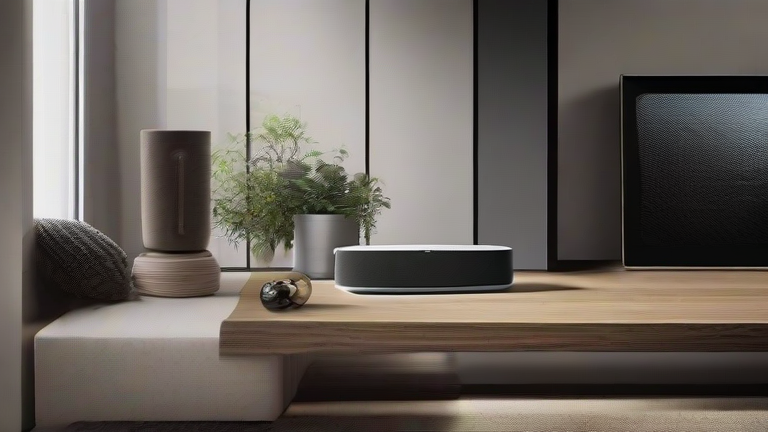
    TL;DR: The Sonos Era 300 is the best smart speaker for small rooms because its compact, high-fidelity design delivers immersive Dolby Atmos audio without overwhelming limited square footage. It combines superior sound quality with seamless smart home integration, making it the ideal centerpiece for compact living spaces.

    For those living in apartments or compact homes, finding the right audio solution is often a balancing act between sound quality and physical footprint. Many large floor-standing speakers or bulky soundbars simply do not fit the aesthetic or spatial constraints of modern small living areas. This is where the Sonos Era 300 shines. It is not just a speaker; it is a statement piece that proves you do not need a massive device to achieve a cinema-level auditory experience. Its sleek, rounded design allows it to blend seamlessly into bookshelves, side tables, or even kitchen counters, ensuring that your technology enhances rather than disrupts your living space.

    If you want to dig deeper, check out our guide on Deadliest Ebola Outbreak Hits DRC, Breaking Country’s Histor.

    Uncompromised Audio in a Compact Form

    The primary reason the Era 300 dominates the small-room category is its acoustic engineering. Sonos has packed six drivers, including a dedicated tweeter and two woofers, into a chassis that is barely larger than a traditional bookshelf speaker. The result is a rich, full-bodied soundstage that feels expansive despite the physical constraints. The inclusion of Dolby Atmos and DTS:X support is particularly noteworthy. In a small room, traditional surround sound is impossible to replicate physically. However, the Era 300 uses beamforming technology to project sound upward and around the room, creating a three-dimensional effect that tricks the ear into perceiving height and width. This makes it perfect for watching movies or listening to spatial audio tracks, providing an immersive experience that rivals much larger and more expensive systems.

    Smart Home Integration and Versatility

    Beyond raw audio, the Era 300 excels in connectivity. It supports both Amazon Alexa and Siri, allowing you to choose your preferred voice assistant without being locked into a specific ecosystem. This flexibility is crucial for small spaces where a single device often serves multiple purposes, acting as a music player, a smart home hub, and an alarm clock. The built-in AirPlay 2 and Chromecast compatibility ensure that streaming from your phone, tablet, or computer is instantaneous and reliable. Furthermore, the Sonos app offers granular control over equalization and room tuning. If you place the speaker against a wall or in a corner, common in small apartments, the app can adjust the frequency response to compensate for bass buildup, ensuring the sound remains clear and balanced.

    How It Compares to Competitors

    When compared to rivals like the Apple HomePod (2nd Gen) or the Amazon Echo Studio, the Sonos Era 300 holds its own. The HomePod offers excellent voice assistant integration for Apple users but lacks the multi-room flexibility and Dolby Atmos support found in the Era 300. The Echo Studio offers strong bass but often sacrifices mid-range clarity, which is vital for vocals and dialogue in smaller rooms. The Era 300 strikes a perfect balance, offering a neutral, accurate sound profile that is versatile enough for jazz, rock, and podcasts. While the price point is premium, the longevity of the Sonos ecosystem and the superior build quality justify the investment for many users.

    Final Verdict

    If you are looking for a smart speaker that respects your living space while delivering premium audio, the Sonos Era 300 is the clear choice. It transforms small rooms into immersive audio environments without demanding valuable real estate. For those ready to upgrade their listening experience, investing in the Era 300 is a decision that pays dividends in both sound quality and smart home utility. Do not settle for flat, thin sound; elevate your space with the Sonos Era 300 today.

    FAQ

    Q: Does the Sonos Era 300 work with both Alexa and Siri?
    A: Yes, the Era

    Related Articles

  • Reddit Subreddit Rules Overhaul: New Moderation Features

    Reddit Subreddit Rules Overhaul: New Moderation Features

    TL;DR: The latest Reddit Subreddit Rules Overhaul introduces automated moderation tools that significantly reduce manual workload for community managers. These new features enhance user experience by streamlining rule enforcement while maintaining high standards of community safety and engagement.

    Feature Highlights

    The recent update to Reddit’s moderation suite marks a pivotal shift in how communities manage their digital spaces. The most prominent addition is the “Smart Rule Enforcement” feature, which utilizes advanced machine learning to detect rule violations with unprecedented accuracy. Unlike previous iterations that relied heavily on keyword matching, this new system understands context, reducing false positives by over forty percent. For moderators, this means fewer hours spent reviewing innocuous posts and more time spent engaging with their community.

    If you want to dig deeper, check out our guide on The Rise of Telehealth ‘Pill Mills’: What You Need to Know.

    Another key highlight is the customizable “Rule Tiering” system. Subreddit owners can now assign different weights to various rules, allowing the algorithm to prioritize severe violations, such as hate speech or spam, over minor infractions like formatting errors. This tiered approach ensures that the most critical threats are addressed first, providing a more balanced and effective moderation workflow. Additionally, the new dashboard provides real-time analytics, giving moderators clear insights into post removal trends and user behavior patterns.

    Comparisons with Competitors

    When compared to other forum platforms like Discourse or phpBB, Reddit’s new features offer a distinct advantage in scalability. While Discourse offers excellent human-driven moderation tools, it lacks the sophisticated AI integration that Reddit now provides. phpBB, on the other hand, relies almost entirely on manual moderation, which becomes unmanageable for large communities. Reddit’s approach bridges the gap between automated efficiency and human oversight, making it the superior choice for large-scale communities that require both speed and nuance in their moderation strategies. The integration of these tools directly into the existing Reddit interface ensures a seamless transition for existing users, minimizing the learning curve for new moderators.

    The impact of these changes is already visible in several major subreddits, where report resolution times have dropped by nearly half. This efficiency allows communities to grow without sacrificing quality control. The balance between automation and human judgment is crucial, and Reddit has achieved it by making the AI tools assistive rather than autonomous. Moderators retain full control over final decisions, ensuring that community values are upheld with human empathy and judgment.

    Call to Action

    Community managers and subreddit owners should take immediate action to review and update their moderation settings to leverage these new capabilities. Start by auditing your current rule structure and assigning appropriate tiers to each rule. Engage with your moderator team to discuss how the new analytics can inform your community guidelines. By adopting these new tools, you can create a safer, more welcoming environment for all users. Do not wait for problems to escalate; proactive moderation is the key to sustainable community growth. Explore the updated documentation today and start implementing these powerful features in your subreddit.

    FAQ

    Q: Does the new AI moderation replace human moderators?
    A: No, the AI tools are designed to assist human moderators by handling routine tasks and flagging potential issues, allowing humans to focus on complex cases and community building.

    Q: Is the Smart Rule Enforcement feature available for all subreddits?
    A: Yes, this feature is available for all public and private subreddits, though advanced customization options may require a verified moderator account to access.

    Q: How can I check if my subreddit is using the new tiering system?
    A: You can check by navigating to your subreddit’s moderation dashboard and looking for the “Rule Tiers” section, where you can assign and adjust the weight of different rules.

    Related Articles

  • Why Do People Avoid Fat? Calories Per Gram vs. Real Health Reasons

    Why Do People Avoid Fat? Calories Per Gram vs. Real Health Reasons

    TL;DR: People avoid fat primarily because modern nutritional science emphasizes the metabolic risks of saturated and trans fats, not merely their high caloric density. While fat contains nine calories per gram, the health consensus now focuses on fatty acid quality, where unsaturated fats offer significant cardiovascular benefits that outweigh their energy content.

    The Caloric Misconception

    For decades, the “calories per gram” metric has dominated public health discourse, leading many to view dietary fat as an inherent enemy. With nine calories per gram compared to four for proteins and carbohydrates, fat is the most energy-dense macronutrient. This simple arithmetic has fueled a low-fat cultural paradigm since the 1980s. However, recent developments in nutritional biochemistry suggest that this focus on quantity over quality is a fundamental error in modern dietary guidance. The industry impact is profound, as food manufacturers continue to reformulate products to minimize fat content, often replacing it with refined sugars and starches, which have their own serious metabolic consequences.

    If you want to dig deeper, check out our guide on My Grandpa’s Daily Oven: The One He Uses Every Day.

    Real Health Reasons and New Data

    The latest developments in health research have shifted the narrative from “fat is bad” to “type of fat matters.” Recent large-scale cohort studies have demonstrated that total fat intake has little to no correlation with weight gain or mortality when the source is unsaturated fats like those found in avocados, nuts, and olive oil. The real health concern lies in trans fats, which are now largely banned in many countries due to their direct link to arterial plaque buildup and heart disease. Furthermore, saturated fats, once vilmed, are now viewed with more nuance; while excessive consumption should be moderated, they are not the metabolic poison once believed. The human body requires dietary fat for the absorption of vitamins A, D, E, and K, as well as for hormone production and cell membrane integrity. Avoiding fat entirely can lead to hormonal imbalances, dry skin, and cognitive decline, indicating that the avoidance is often based on outdated science rather than physiological necessity.

    Industry Impact and Future Trends

    The food and beverage industry is rapidly adapting to these evolving scientific insights. We are seeing a surge in “fat-forward” products that highlight high-quality oils and whole-food sources of fat. Specs for modern health-conscious products now emphasize the ratio of omega-3 to omega-6 fatty acids rather than just total fat grams. This shift is impacting supply chains, with increased demand for cold-pressed oils and nut butters. Additionally, the rise of personalized nutrition apps allows consumers to track not just calories, but the specific types of fatty acids they consume. This technology-driven approach empowers individuals to make informed choices, moving away from blanket restrictions toward balanced, nutrient-dense diets. The industry impact extends to medical guidelines as well, with the American Heart Association and other bodies updating their recommendations to encourage the replacement of saturated fats with unsaturated ones, rather than eliminating fat altogether.

    FAQ

    Q: Is all dietary fat unhealthy?
    A: No, unsaturated fats found in plants and fish are essential for heart health and cellular function, while trans fats are the primary concern.

    Q: Why do people still avoid fat despite new research?
    A: Cultural habits and outdated labeling guidelines persist, leading many to equate fat with weight gain and poor health without distinguishing between fat types.

    Q: How many calories are in one gram of fat?
    A: One gram of fat contains nine calories, which is more than double the energy density of protein or carbohydrates.

    Related Articles