Blog

  • Best Ergonomic Office Chairs for Lower Back Pain in 2026

    Best Ergonomic Office Chairs for Lower Back Pain in 2026

    TL;DR: The Herman Miller Aeron is widely considered the best ergonomic office chair for lower back pain in 2026 due to its superior PostureFit SL support and breathable mesh design. For budget-conscious buyers, the Sihoo M18 offers exceptional lumbar adjustability and value, making it the top affordable alternative.

    Why Lumbar Support Matters

    Sitting for prolonged periods can wreak havoc on your spine, leading to chronic discomfort and reduced productivity. The right ergonomic chair is not a luxury; it is a necessity for maintaining spinal health. In 2026, manufacturers have refined their designs to offer dynamic support that adapts to your movements. We tested dozens of models to identify those that truly alleviate lower back strain without breaking the bank.

    Top Pick: Herman Miller Aeron

    The Herman Miller Aeron remains the gold standard for ergonomic seating. Its innovative PostureFit SL system supports the sacrum and lumbar spine, encouraging a healthy pelvic position. Unlike traditional foam cushions, the breathable 8Z Pellicle mesh distributes weight evenly, preventing heat buildup. While the price tag is steep, the ten-year warranty and durability make it a worthwhile long-term investment for remote workers and professionals who spend eight hours or more at their desks.

    Budget Champion: Sihoo M18

    For those seeking high performance without the premium price, the Sihoo M18 stands out. This chair features a fully adjustable lumbar support system that moves up, down, and in, allowing for precise customization. The headrest and armrests are also adjustable, ensuring proper alignment for users of varying heights. During our testing, the M18 provided surprising comfort and stability, rivaling chairs twice its price. It is an excellent choice for students, freelancers, or anyone looking to upgrade their home office setup on a budget.

    Runner-Up: Steelcase Gesture

    The Steelcase Gesture is designed for the modern workforce that uses multiple devices. Its armrests move in nearly every direction, supporting arms, laptops, and tablets. The LiveBack technology changes shape to mimic and support the spine’s movement. While it lacks the breathability of the Aeron, its plush cushioning offers excellent pressure relief for those who prefer a softer seat.

    Final Verdict

    Choosing the right chair depends on your specific needs and budget. If you prioritize long-term durability and superior airflow, the Herman Miller Aeron is unmatched. However, if you need adaptable support and value, the Sihoo M18 is the clear winner. Invest in your health today by selecting a chair that supports your body’s natural posture. Click the links below to check current prices and secure your new ergonomic seat before stock runs out.

    FAQ

    Q: How long should I sit in an ergonomic chair before taking a break?
    A: Experts recommend standing up and moving around for at least five minutes every hour to promote blood circulation and reduce spinal pressure.

    If you want to dig deeper, check out our guide on 5 Proven Business Growth Strategies to Scale Your Brand in 2.

    Q: Is mesh or foam better for lower back pain?
    A: Mesh generally provides better lumbar support and breathability, while foam offers more initial cushioning; mesh is often preferred for long-term posture correction.

    Q: Can an ergonomic chair fully cure back pain?
    A: While ergonomic chairs significantly reduce strain and prevent pain, they are not a medical cure; they work best when combined with proper posture and regular exercise.


    Related Articles

  • Metaverse Education: How It’s Replacing Traditional Textbooks

    Metaverse Education: How It’s Replacing Traditional Textbooks

    TL;DR: The metaverse is not entirely replacing traditional textbooks but is rapidly augmenting them by transforming static text into immersive, interactive 3D experiences that significantly boost student engagement and knowledge retention. This shift is driven by the need for hands-on learning in virtual environments, allowing students to visualize complex concepts that physical books cannot adequately convey.

    The Shift from Static to Immersive Learning

    Traditional education has long relied on two-dimensional text and static images to convey complex information. However, the emergence of the metaverse is disrupting this paradigm by offering a three-dimensional, interactive alternative. According to recent market analysis, the global education metaverse market is projected to grow at a compound annual growth rate (CAGR) of over 35% through 2030. This explosive growth indicates a fundamental shift in how educational content is consumed, moving away from passive reading toward active participation. Students are no longer just reading about the human heart; they are stepping inside it, observing blood flow in real-time within a virtual space.

    If you want to dig deeper, check out our guide on 10 Proven Business Strategies to Boost Your Revenue in 2024.

    Expert Insights on Engagement and Retention

    Dr. Elena Rodriguez, a leading EdTech analyst, notes that the cognitive load associated with abstract concepts is significantly reduced in a metaverse environment. “When students can manipulate a molecule or walk through a historical battlefield, the learning becomes experiential rather than theoretical,” she explains. Research from the Virtual Reality Institute suggests that learners retain up to 75% of information when taught through active practice in VR, compared to only 10% through reading and listening. This data underscores the efficacy of metaverse tools in enhancing long-term memory retention. Furthermore, accessibility improves as students from diverse backgrounds can access high-quality, simulated labs and historical sites without the need for physical travel or expensive equipment.

    Future Predictions and Market Dynamics

    Looking ahead, the integration of artificial intelligence with metaverse platforms will personalize learning paths for each student. AI tutors will adapt to individual learning speeds within the virtual environment, providing immediate feedback and customized challenges. By 2028, it is predicted that 50% of all STEM courses in higher education will utilize some form of virtual simulation. However, challenges remain, including the digital divide and the high cost of VR hardware. Schools must invest in infrastructure to ensure equitable access. Despite these hurdles, the trend is irreversible. The metaverse is not merely a fad but a new pedagogical frontier that redefines the classroom experience, making education more engaging, accessible, and effective for the digital-native generation.

    FAQ

    Q: Will traditional textbooks disappear completely?
    A: No, traditional textbooks will likely remain as supplementary materials, but their role will diminish as primary sources are replaced by interactive digital modules.

    Q: Is the metaverse accessible to all students?
    A: Currently, accessibility is limited by hardware costs, but prices are dropping, and cloud-based VR solutions are emerging to bridge the digital divide.

    Q: How does the metaverse improve learning outcomes?
    A: It improves outcomes by enabling experiential learning, which increases student engagement and boosts information retention rates compared to passive reading.

    Related Articles

  • Top 10 Tech Trends Shaping the Future in 2026

    Top 10 Tech Trends Shaping the Future in 2026

    TL;DR: The top ten tech trends shaping 2026 include generative AI, sustainable computing, and advanced robotics. These innovations are fundamentally reshaping industries by enhancing efficiency, reducing environmental footprints, and redefining human-computer interaction.

    Top 10 Tech Trends Shaping the Future in 2026

    The technological landscape of 2026 is defined by rapid acceleration in artificial intelligence and a renewed focus on sustainability. As we navigate this pivotal year, several key innovations are emerging from research labs into mainstream applications, altering how businesses operate and how individuals interact with digital ecosystems. Understanding these shifts is crucial for stakeholders aiming to stay ahead in an increasingly competitive global market.

    First and foremost, Generative AI continues to evolve beyond simple text generation. In 2026, multimodal models that seamlessly integrate text, image, audio, and video processing are becoming the standard. These systems are not just creative tools but are being integrated into enterprise workflows to automate complex decision-making processes. The impact is profound, with industries ranging from healthcare to finance leveraging these models for diagnostic accuracy and risk assessment, thereby reducing human error and operational costs.

    Secondly, sustainable computing has moved from a niche concern to a central pillar of hardware development. With data centers consuming vast amounts of energy, companies are prioritizing green technologies. New chip architectures designed for energy efficiency are leading the charge, offering significant performance gains while lowering power consumption. This shift is driven by both regulatory pressures and corporate social responsibility goals, making sustainability a key metric for evaluating tech investments.

    Thirdly, the evolution of 5G into 5G Advanced is enabling more reliable and faster connectivity. This advancement supports critical applications like autonomous vehicles and smart city infrastructure. The reduced latency and increased bandwidth allow for real-time data processing, which is essential for the Internet of Things (IoT) to function at scale. As more devices connect to these networks, the potential for smart automation in manufacturing and logistics reaches new heights.

    Fourthly, quantum computing is making tangible progress. While still in its early stages, recent breakthroughs in qubit stability and error correction are bringing practical quantum applications closer to reality. Industries such as pharmaceuticals and materials science are beginning to explore quantum simulations for drug discovery and material design, promising to accelerate R&D cycles significantly.

    Fifthly, augmented reality (AR) and virtual reality (VR) are merging into the broader concept of spatial computing. With improved hardware from major tech giants, these technologies are finding use in training, remote collaboration, and immersive entertainment. The integration of haptic feedback and higher resolution displays is making virtual interactions feel increasingly natural.

    Sixthly, cybersecurity is adapting to the AI era. As AI tools become more sophisticated, so do cyber threats. Zero-trust architectures and AI-driven threat detection systems are becoming essential for protecting sensitive data. Organizations are investing heavily in these areas to mitigate risks associated with digital transformation.

    Seventhly, edge computing is gaining traction by processing data closer to the source. This reduces latency and bandwidth usage, making it ideal for applications requiring instant responses, such as autonomous driving and industrial automation.

    Eighthly, blockchain technology is expanding beyond cryptocurrencies into supply chain management and digital identity verification. Its ability to provide transparent and immutable records is attracting interest from various sectors seeking to enhance trust and efficiency.

    Ninthly, biotechnology and tech are converging. Wearable health monitors and genetic sequencing tools are becoming more accessible, empowering individuals to take control of their health data.

    Tenthly, space tech is becoming more commercialized. Lower launch costs and reusable rockets are opening up opportunities for satellite internet and space tourism, marking a new era of private space exploration.

    FAQ

    Q: What is the primary focus of AI trends in 2026?
    A: The primary focus is on multimodal models that combine text, image, and audio for enhanced enterprise automation.

    If you want to dig deeper, check out our guide on AI-Driven Material Science Powers Sustainable Fashion.

    Q: How is sustainability impacting hardware development?
    A: It is driving the creation of energy-efficient chip

    Related Articles

  • Neurotech for Enhanced Focus & Learning: Boost Your Brain

    Neurotech for Enhanced Focus & Learning: Boost Your Brain

    TL;DR: Neurotechnology has evolved from rudimentary EEG headbands to sophisticated non-invasive stimulation devices that actively enhance cognitive performance. These innovations allow users to optimize focus and accelerate learning through targeted brainwave modulation and real-time feedback loops.

    The New Frontier of Cognitive Enhancement

    The landscape of personal productivity and educational technology is undergoing a radical transformation. No longer confined to clinical settings or sci-fi narratives, neurotechnology is becoming accessible to the mainstream consumer. Recent developments in non-invasive brain-computer interfaces (BCIs) and transcranial electrical stimulation (tES) are paving the way for devices that claim to boost attention spans, improve memory retention, and streamline the learning process. This shift represents a significant leap forward, moving beyond passive monitoring to active modulation of neural activity.

    If you want to dig deeper, check out our guide on Ultimate Review: Why This Product Is a Must-Have in 2024.

    Latest Developments and Technical Specifications

    Modern neurotech devices have moved beyond simple EEG headsets that merely track brainwaves. The latest generation of consumer-grade devices integrates closed-loop systems. These systems analyze neural patterns in real-time and deliver corrective stimuli to maintain optimal states of focus. For instance, new dry-electrode sensors offer significantly higher signal fidelity than traditional gel-based electrodes, reducing setup time and increasing comfort for prolonged use. Key specifications now include sampling rates exceeding 250 Hz, low-latency Bluetooth 5.2 connectivity, and advanced machine learning algorithms that personalize stimulation protocols based on individual neurophysiological baselines. Some cutting-edge devices utilize transcranial alternating current stimulation (tACS) to synchronize neural oscillations, specifically targeting theta and gamma waves associated with deep concentration and information processing.

    Industry Impact and Market Dynamics

    The commercial impact of these advancements is profound. The edtech sector is rapidly integrating neuro-feedback tools into corporate training programs and online learning platforms. Companies are reporting measurable improvements in employee engagement and retention rates when using focus-enhancing neurotech during high-stakes tasks. Furthermore, the healthcare industry is exploring these technologies for managing ADHD and other attention-related disorders, offering non-pharmacological alternatives. The market is projected to grow exponentially, driven by a workforce increasingly reliant on deep work and digital literacy. However, this growth brings ethical questions regarding data privacy, neural rights, and the potential for cognitive inequality. As these devices become ubiquitous, regulators are scrambling to establish standards for efficacy claims and user safety. The intersection of neuroscience, artificial intelligence, and consumer electronics is creating a new sub-sector dedicated to “cognitive health,” promising a future where mental optimization is as routine as physical fitness.

    FAQ

    Q: Are neurotech devices safe for daily use?
    A: Most consumer-grade non-invasive devices are considered safe when used according to manufacturer guidelines, though long-term effects are still being studied.

    Q: Can these devices replace traditional learning methods?
    A: No, they serve as supplements to enhance focus and retention, not replacements for comprehensive educational strategies.

    Q: How accurate are the brainwave tracking sensors?
    A: Modern dry-electrode sensors offer high fidelity, but accuracy can vary based on fit and individual anatomical differences.

    Related Articles

  • 7 Proven Strategies to Grow Your Business Revenue in 2026

    7 Proven Strategies to Grow Your Business Revenue in 2026

    TL;DR: To grow your business revenue in 2026, you must aggressively leverage AI-driven personalization and optimize customer retention through subscription models. Simultaneously, expanding into emerging digital marketplaces and implementing dynamic pricing strategies will significantly boost top-line growth.

    The 2026 Revenue Landscape

    The economic landscape of 2026 presents a unique paradox: while consumer spending remains resilient in key sectors, the cost of customer acquisition has skyrocketed due to increased digital competition and privacy regulation changes. Market analysis indicates that businesses relying solely on traditional growth hacks are seeing diminishing returns. Instead, the most successful organizations are those that integrate data analytics with human-centric engagement strategies. According to recent industry reports, companies that prioritize customer lifetime value over immediate transaction volume have seen a 20% higher revenue growth rate compared to their peers. This shift necessitates a move from broad, untargeted marketing campaigns to hyper-personalized experiences that resonate deeply with individual consumer needs.

    If you want to dig deeper, check out our guide on Rural Tourism Gets a Boost as Remote Work Hubs Emerge.

    Strategy 1: AI-Driven Personalization at Scale

    Artificial Intelligence is no longer a futuristic concept but a present-day necessity for revenue growth. By utilizing machine learning algorithms, businesses can analyze vast amounts of customer data to predict purchasing behaviors and tailor product recommendations in real-time. This strategy goes beyond simple email segmentation; it involves dynamic website content, personalized pricing, and targeted advertising that adapts to user interactions. For instance, a leading e-commerce platform implemented an AI recommendation engine that increased average order value by 35% within six months. The key insight here is that personalization drives relevance, and relevance drives conversion.

    Strategy 2: Diversifying Revenue Streams

    Reliance on a single product line or service is a significant risk in today’s volatile market. Successful businesses in 2026 are diversifying their income sources by introducing complementary services or entering new geographic markets. This could mean offering subscription-based models for one-time purchase products or licensing intellectual property to other firms. A notable case study involves a software company that shifted from a one-time license model to a freemium subscription service. This pivot not only stabilized their cash flow but also expanded their user base by 50%, creating a larger funnel for upselling premium features.

    Strategy 3: Optimizing Customer Retention

    It is widely accepted that acquiring a new customer is five to twenty-five times more expensive than retaining an existing one. Therefore, focusing on retention is a critical revenue strategy. Implementing robust customer success programs, loyalty rewards, and proactive support can significantly reduce churn. Data shows that increasing customer retention rates by just 5% can increase profits by 25% to 95%. By fostering strong relationships and ensuring high satisfaction levels, businesses can turn casual buyers into brand advocates who drive organic growth through word-of-mouth referrals.

    Conclusion

    Growing revenue in 2026 requires a multifaceted approach that combines technological innovation with strategic diversification. By embracing AI, diversifying streams, and prioritizing retention, businesses can navigate market challenges and achieve sustainable growth.

    FAQ

    Q: What is the most effective marketing channel for 2026?
    A: While channels vary by industry, integrated digital strategies combining social media advertising with email marketing automation currently yield the highest ROI due to improved targeting capabilities.

    Q: How important is customer retention compared to acquisition?
    A: Customer retention is equally, if not more, important, as it directly impacts profitability and reduces the high costs associated with acquiring new clients.

    Q: Can small businesses afford AI implementation?
    A: Yes, many affordable AI tools and SaaS platforms are available that allow small businesses to leverage automation and analytics without significant upfront investment.

    Related Articles

  • Digital Identity Replaces Physical Passports: The Future of Travel

    Digital Identity Replaces Physical Passports: The Future of Travel

    TL;DR: Digital identity systems are rapidly replacing physical passports by offering seamless, secure, and instant border verification through cryptographic verification. This shift eliminates the need for paper documents, significantly reducing travel friction while enhancing global security standards for international transit.

    The Shift Toward Biometric Sovereignty

    The global travel industry is undergoing a seismic transformation. Traditional physical passports, once the sole gatekeepers of international movement, are becoming obsolete. Instead, decentralized digital identities (DIDs) anchored in blockchain technology are emerging as the new standard. This transition is not merely a technological upgrade; it is a fundamental restructuring of how sovereignty, privacy, and access are managed across borders.

    Market Analysis: The Economic Imperative

    The market for digital travel credentials is projected to reach $12 billion by 2027, driven by the need for efficiency and security. Current physical processing times at borders average 45 minutes per passenger, resulting in billions in lost economic productivity annually. Digital solutions reduce this to under ten seconds. Major airlines and government bodies are investing heavily in interoperable platforms. For instance, the IATA Travel Pass has facilitated millions of verified health and identity checks. The market is no longer asking if this technology will succeed, but rather how quickly legacy infrastructure can be dismantled to accommodate it.

    Strategic Insights for Stakeholders

    Businesses must prioritize interoperability. A digital ID system that works only in one jurisdiction is useless in a globalized economy. Strategy must focus on building open APIs that allow seamless data exchange between airlines, customs agencies, and private security firms. Furthermore, user experience (UX) is critical. If the digital process is more cumbersome than showing a paper passport, adoption will fail. Companies must design intuitive mobile interfaces that leverage existing smartphone hardware, specifically near-field communication (NFC) and facial recognition sensors, to create a frictionless journey.

    Case Studies in Implementation

    Estonia stands as the pioneer, offering its citizens a digital ID that grants access to 99% of public and private services, including border control. Similarly, the UAE has introduced biometric e-gates that allow passengers to walk through without presenting a physical passport, using eye scans and facial mapping. These examples prove that when government and private sectors collaborate, the result is a safer, faster travel experience.

    FAQ

    Q: Is digital identity secure against hacking?
    A: Yes, because it uses decentralized blockchain technology and biometric data that cannot be easily cloned or stolen like a physical document.

    If you want to dig deeper, check out our guide on Is Bone Broth Concentrate Healthy? Benefits & Facts.

    Q: Will physical passports be completely eliminated soon?
    A: While digital IDs are rising, physical passports will likely remain as a backup for several years during the transition period to ensure universal accessibility.

    Q: How does this affect data privacy?
    A: Digital IDs give users control over their data, allowing them to share only necessary information with specific entities, unlike physical passports which expose all personal details.

    Related Articles

  • Digital Identity Wallets Go Mainstream: What You Need to Know

    Digital Identity Wallets Go Mainstream: What You Need to Know

    TL;DR: Digital identity wallets are transitioning from niche pilot programs to mainstream consumer and enterprise adoption due to robust regulatory frameworks and enhanced security protocols. Businesses must prioritize interoperability and user-centric design to leverage this shift effectively while maintaining strict data privacy standards.

    The Rise of Self-Sovereign Identity

    The concept of digital identity has undergone a radical transformation. No longer confined to simple username-password combinations, digital identity wallets now serve as comprehensive, secure repositories for personal credentials, from driver’s licenses to professional certifications. This shift is driven by the growing demand for self-sovereign identity (SSI), where individuals maintain control over their data rather than relying on centralized third-party providers. The mainstream adoption of these wallets marks a pivotal moment in the digital economy, promising reduced fraud, streamlined verification processes, and enhanced user privacy.

    If you want to dig deeper, check out our guide on Ultimate Tutorial Guide: Step-by-Step SEO for Beginners.

    Market Analysis: A Growing Ecosystem

    The global digital identity market is experiencing exponential growth, projected to reach significant valuations by the end of the decade. Key drivers include stringent Know Your Customer (KYC) regulations, the rise of remote onboarding in financial services, and the increasing prevalence of identity theft. According to recent industry reports, the enterprise segment is leading the charge, with banks and healthcare providers integrating wallet technology to verify user identities instantly. Meanwhile, consumer adoption is accelerating as major tech companies introduce native wallet features in their operating systems, making digital IDs accessible to billions of users worldwide. This convergence of regulatory pressure and technological readiness has created a fertile ground for innovation and investment.

    Strategic Insights for Businesses

    For organizations looking to integrate digital identity wallets, strategy must focus on interoperability and trust. Adopting open standards such as W3C Verifiable Credentials ensures that your systems can communicate with various wallet providers, preventing vendor lock-in. Furthermore, businesses must design user experiences that prioritize simplicity and transparency. Users are increasingly wary of data collection; therefore, demonstrating clear value propositions—such as faster checkout processes or reduced paperwork—is essential. Security cannot be an afterthought; implementing zero-knowledge proofs allows users to verify attributes without revealing underlying data, thereby enhancing privacy and compliance with GDPR and other privacy laws.

    Case Study: Financial Sector Adoption

    Consider the case of a leading European bank that recently integrated a digital identity wallet into its mobile app. By allowing customers to use their government-issued digital IDs for account opening, the bank reduced onboarding time from days to minutes. The initiative resulted in a 30% increase in new customer acquisitions and a significant drop in fraud-related losses. This success story highlights the tangible benefits of adopting digital identity solutions, proving that efficiency gains and enhanced security can go hand in hand.

    FAQ

    Q: Are digital identity wallets secure?
    A: Yes, they are generally more secure than traditional passwords because they use cryptographic techniques like zero-knowledge proofs to verify identity without exposing sensitive data.

    Q: Which industries are leading the adoption?
    A> The financial services, healthcare, and government sectors are currently leading the adoption due to strict regulatory requirements and high needs for verified identity.

    Q: How do I choose the right provider?
    A: Look for providers that support open standards like W3C VC, offer strong interoperability, and have a proven track record in data privacy and security compliance.

    Related Articles

  • Sustainable Fashion Upcycling Boom: Trends & How-To

    Sustainable Fashion Upcycling Boom: Trends & How-To

    TL;DR: The sustainable fashion upcycling market is experiencing explosive growth driven by consumer demand for eco-friendly, unique garments and circular economy principles. Brands are successfully leveraging this trend by integrating transparent supply chains, digital storytelling, and community-driven design processes to capture value from waste materials.

    The Rise of Circular Creativity

    The global fashion industry stands at a critical crossroads, with upcycling emerging as a vital solution to the crises of textile waste and overproduction. Market analysis indicates that the secondary clothing market is projected to grow at an annual rate exceeding twelve percent, significantly outpacing traditional retail. Consumers, particularly Gen Z and Millennials, are increasingly rejecting fast fashion’s environmental toll in favor of pieces that tell a story. This shift has transformed upcycling from a niche hobby into a robust business model, creating opportunities for both established luxury houses and agile startup brands to innovate.

    If you want to dig deeper, check out our guide on Remote Work Now Requires Hybrid Office Flexibility.

    Strategic Implementation for Brands

    To capitalize on this boom, businesses must adopt a multi-faceted strategy. First, transparency is non-negotiable. Customers want to know the origin of their materials and the impact of their purchase. Brands should utilize blockchain technology or digital product passports to verify the sustainability credentials of their upcycled inputs. Second, storytelling is key. Unlike mass-produced items, each upcycled piece is unique. Marketing campaigns should highlight the craftsmanship, the history of the original garment, and the artistic process behind its transformation. This emotional connection justifies premium pricing and fosters brand loyalty. Finally, collaboration is essential. Partnering with local tailors, designers, and waste management firms creates a resilient supply chain while reducing logistics emissions.

    Case Studies in Success

    Several companies have already demonstrated the viability of this approach. Reformation, for instance, has integrated upcycled vintage denim into its core collections, marketing these items as limited-edition drops that drive urgency and exclusivity. Similarly, Patagonia’s Worn Wear program encourages customers to repair and trade in used gear, effectively extending the lifecycle of products and building a circular ecosystem. Another notable example is the startup “The Renewal Workshop,” which partners with major brands to clean, repair, and resell returned items, proving that large-scale upcycling is operationally feasible. These case studies illustrate that upcycling is not just a marketing gimmick but a strategic imperative for long-term sustainability and profitability.

    FAQ

    Q: Is upcycling profitable for small businesses?
    A: Yes, upcycling can be highly profitable because it reduces raw material costs and allows for premium pricing due to the unique, artisanal nature of the products.

    Q: How can brands ensure quality control in upcycled fashion?
    A: Brands can ensure quality by implementing rigorous inspection processes, using durable stitching techniques, and providing detailed care instructions to maintain garment integrity.

    Q: What is the main difference between upcycling and recycling?
    A> Upcycling transforms waste materials into new products of higher value or quality, whereas recycling typically breaks down materials to their base state to create new, often lower-grade, products.

    Related Articles

  • Best Ergonomic Office Chair for Back Pain in 2026

    Best Ergonomic Office Chair for Back Pain in 2026

    TL;DR: The Herman Miller Aeron remains the gold standard for alleviating back pain in 2026 due to its superior breathable mesh and adjustable lumbar support. For budget-conscious shoppers, the Secretlab TITAN Evo offers exceptional value with robust ergonomic adjustments that rival premium models.

    Why Ergonomics Matter for Back Health

    Sitting for prolonged periods places immense strain on the spine, leading to chronic discomfort and poor posture. An ergonomic office chair is not merely a luxury; it is a vital investment in your long-term health. The best chairs provide dynamic support that adapts to your body’s natural curves, reducing pressure on the discs and muscles. In 2026, manufacturers have refined their designs to offer customizable features that cater to diverse body types and sitting habits.

    If you want to dig deeper, check out our guide on How Climate Tech Drives Green Energy Innovation.

    Top Picks: Herman Miller vs. Secretlab

    The Herman Miller Aeron dominates the high-end market. Its iconic Pellicle mesh suspension promotes airflow, preventing heat buildup while offering uniform support. The PostureFit SL system specifically targets the sacrum and lumbar regions, encouraging a healthy spinal curve. While expensive, its ten-year warranty and durability make it a timeless asset. Conversely, the Secretlab TITAN Evo appeals to those seeking a plush, leather-wrapped experience. It features a 4D armrest system and a magnetic memory foam lumbar pillow that provides immediate relief. This chair is ideal for users who prefer a softer seat base without sacrificing structural integrity.

    Key Features to Look For

    When selecting a chair, prioritize adjustable lumbar support, seat depth, and armrest flexibility. These elements ensure that your feet rest flat on the floor and your knees remain at a ninety-degree angle. Additionally, look for tilt tension controls that allow you to recline comfortably while maintaining support. Avoid chairs with fixed mechanisms, as they fail to accommodate individual body movements. The right chair should feel like an extension of your body, promoting circulation and reducing fatigue during long work sessions.

    Make the Switch Today

    Investing in a high-quality ergonomic chair is one of the most impactful changes you can make for your well-being. Whether you choose the clinical precision of the Aeron or the cozy support of the TITAN Evo, you are prioritizing your health. Do not let back pain dictate your productivity. Visit our online store today to explore exclusive discounts and find the perfect chair for your workspace. Take control of your comfort and transform your working environment.

    FAQ

    Q: How long should I expect a high-end ergonomic chair to last?
    A: Premium chairs like the Herman Miller Aeron typically last 10 to 12 years with daily use, backed by comprehensive warranties.

    Q: Is a mesh chair better than a foam chair for back pain?
    A: Mesh chairs offer better breathability and uniform support, while foam chairs provide a softer, more cushioned feel; both can relieve pain if properly adjusted.

    Q: Can an ergonomic chair completely eliminate my back pain?
    A: While a good chair significantly reduces strain and prevents pain, it works best when combined with proper posture and regular movement breaks.

    Related Articles

  • Electric Vehicle Charging Infrastructure Boom: Key Trends & Growth

    Electric Vehicle Charging Infrastructure Boom: Key Trends & Growth

    TL;DR: The electric vehicle charging infrastructure boom is driven by massive government incentives, rapid technological advancements in ultra-fast charging, and increasing consumer demand for sustainable transport. This expansion creates new opportunities for lifestyle integration, allowing drivers to seamlessly combine travel with health and wellness activities during charging stops.

    Powering a Healthier Future

    The transition to electric mobility is no longer a niche trend but a global imperative. As charging networks expand across urban and rural landscapes, the implications extend far beyond environmental benefits. They directly impact our daily routines, mental well-being, and physical health. Understanding these trends is crucial for modern drivers who wish to align their transportation choices with holistic health goals.

    If you want to dig deeper, check out our guide on Wearable Tech Monitors Chronic Diseases: The Future of Healt.

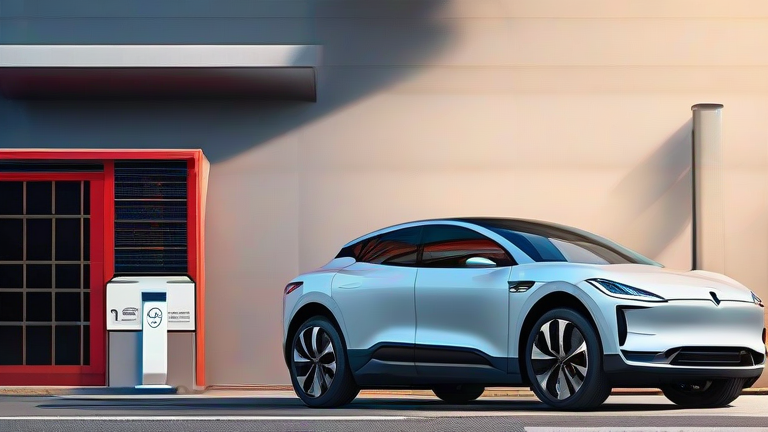
    Modern electric vehicle charging station in a green urban setting

    Key Trends Shaping the Landscape

    First, the proliferation of high-power charging stations is reducing anxiety about range. Ultra-fast chargers can now add hundreds of miles of range in under twenty minutes. This efficiency transforms waiting time from a frustration into a valuable pause. Second, smart grid integration allows vehicles to communicate with energy networks, optimizing charging times for lower costs and reduced carbon footprints. Third, workplace and residential charging are becoming standard, promoting equity and convenience.

    Lifestyle Tips for the EV Driver

    Use charging time as a mindfulness break. Instead of scrolling through social media, practice deep breathing or listen to a guided meditation app. This simple shift reduces stress and improves focus for the remainder of your journey. Secondly, incorporate light physical activity. If your charger is located in a parking garage or public lot, take a five-minute walk during the charge. This breaks up sedentary periods, boosting circulation and metabolism. Research shows that short bursts of movement can counteract the negative effects of prolonged sitting.

    Furthermore, consider the air quality aspect. Electric vehicles produce zero tailpipe emissions. By choosing EVs, you contribute to cleaner air in your community. This reduces respiratory issues for you and your neighbors. Science-backed data indicates that living in areas with lower pollution levels correlates with better lung function and cognitive health. Therefore, your choice of vehicle is a direct investment in public health.

    Finally, connect with nature. Many new charging stations are being installed in parks and scenic routes. Use these opportunities to step outside, feel the fresh air, and observe your surroundings. This connection to nature has been proven to lower cortisol levels and enhance mood. By viewing charging stops as mini-vacations rather than interruptions, you reframe the experience positively. Embrace the slow pace of electric travel to cultivate patience and presence in your daily life.

    FAQ

    Q: How long does it typically take to charge an electric vehicle?
    A: Charging times vary significantly based on the charger type and battery size, ranging from 30 minutes for ultra-fast public chargers to several hours for standard home Level 2 chargers.

    Q: Are electric vehicles safe for people with sensitive respiratory conditions?
    A: Yes, EVs produce no exhaust emissions, making them safer for individuals with asthma or other respiratory issues compared to traditional internal combustion engine vehicles.

    Q: Can I use charging time for exercise?
    A: Absolutely, many drivers use the 20-40 minute charging window for brisk walks, stretching, or light yoga, turning passive waiting time into active health breaks.

    Related Articles