Blog

  • Solid-State Batteries Cut EV Charging to Just 5 Minutes

    Solid-State Batteries Cut EV Charging to Just 5 Minutes

    Solid-State Batteries Cut EV Charging to Just 5 Minutes

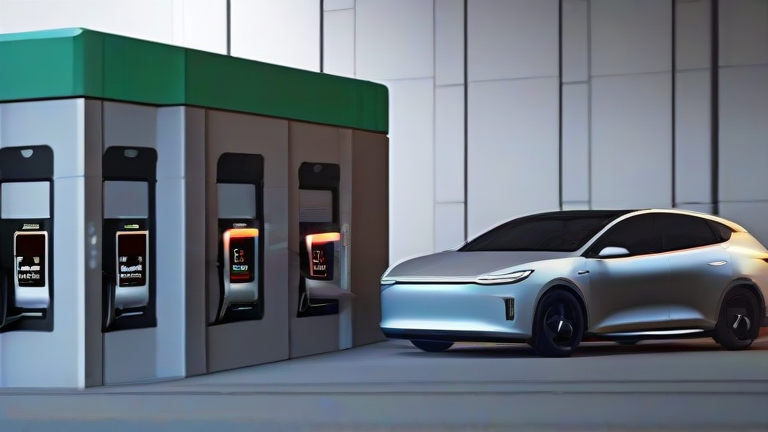
    The electric vehicle (EV) industry stands on the precipice of a transformative era, driven by one of the most promising technological breakthroughs in modern engineering: solid-state batteries. For years, the promise of electric mobility has been tempered by the reality of range anxiety and lengthy charging times. However, recent advancements in solid-state technology are poised to shatter these barriers, potentially reducing charging durations to a mere five minutes, a timeframe comparable to filling up a conventional gasoline tank.

    Historically, lithium-ion batteries have dominated the EV market, relying on liquid electrolytes that are prone to leakage, overheating, and degradation over time. Solid-state batteries replace this liquid with a solid material, such as a ceramic or glass polymer, which offers superior stability and energy density. This fundamental shift not only enhances safety but also allows for significantly faster ion transport, enabling rapid charging without the risk of thermal runaway. According to a recent report by BloombergNEF, the global market for solid-state batteries is expected to grow from a negligible fraction in 2023 to a multi-billion dollar industry by 2030, driven primarily by the automotive sector’s urgent need for next-generation energy storage.

    Industry experts emphasize that the implications extend far beyond convenience. Dr. Elena Rossi, a leading materials scientist at the Institute for Advanced Energy Storage, notes, “The transition to solid-state is not just an incremental improvement; it is a paradigm shift. We are looking at energy densities that could double or even triple current lithium-ion capabilities. This means EVs with ranges exceeding 600 miles on a single charge, coupled with charging speeds that make the inconvenience of public charging stations a thing of the past.”

    Market data supports this optimistic outlook. Major automakers, including Toyota, Samsung SDI, and QuantumScape, have invested billions into research and development, with several companies announcing pilot production lines scheduled to come online within the next three to five years. Analysts predict that by 2027, the cost of solid-state batteries will drop sufficiently to compete with traditional lithium-ion cells, accelerating widespread adoption. This cost parity is crucial, as it will


    Related Articles

  • Quantum Computing Hits Commercial Scale: What It Means

    Quantum Computing Hits Commercial Scale: What It Means

    Quantum Computing Hits Commercial Scale: What It Means

    For decades, quantum computing has been the stuff of science fiction and high-level physics textbooks. It was a realm reserved for tech giants and national laboratories, shrouded in cryogenic chill and complex mathematics. But as we step into this new era of commercial scalability, the abstract becomes tangible, touching the very fabric of our daily lives in ways we are only beginning to understand. If you are a frequent traveler, a food enthusiast, or someone dedicated to personal growth, this shift is not just a headline; it is a transformation of your lived experience.

    Consider the modern traveler. The friction of planning a trip has always been a mix of excitement and anxiety. Booking flights, coordinating hotels, and navigating layovers can drain the joy out of a journey. Quantum computing changes this by solving optimization problems that classical computers struggle with. Imagine an AI assistant that doesn’t just suggest a flight but calculates the most efficient, carbon-neutral route across dozens of airlines and transit hubs in milliseconds. It accounts for real-time weather, potential delays, and even your personal preference for window seats versus aisle access, all while ensuring the lowest environmental impact. The result is seamless travel. The anxiety of the unknown is replaced by the confidence of perfect logistics, allowing you to focus on the culture and the destination rather than the mechanics of getting there.

    In the culinary world, the impact is equally profound. Food is culture, and culture is identity. Quantum simulations are revolutionizing how we understand molecular interactions. This means that chefs can experiment with flavors and textures at a molecular level, creating dishes that are not only delicious but also perfectly tailored to individual health profiles. Imagine a restaurant where the menu is generated based on a quantum analysis of your genetic makeup and current nutritional needs, offering meals that optimize your well-being without sacrificing flavor. This is not just about eating; it is about nourishing the body and soul with precision. The global exchange of culinary techniques accelerates as quantum models predict how different ingredients will interact across cultures, leading to a richer, more diverse food landscape.

    For those on a path of personal growth, the implications are even more spiritual. Personal development is often about finding clarity in chaos. Quantum computing’s

    Related Articles

  • FDA Approves CRISPR Therapies for Diabetes Treatment

    FDA Approves CRISPR Therapies for Diabetes Treatment

    FDA Approves CRISPR Therapies for Diabetes Treatment

    In a monumental shift for modern medicine, the U.S. Food and Drug Administration (FDA) has officially approved the first CRISPR-based therapies for the treatment of diabetes. This landmark decision marks the beginning of a new era where genetic editing moves from experimental labs to clinical reality. For millions of patients living with Type 1 and Type 2 diabetes, this approval is not just a regulatory milestone; it is a beacon of hope for a potential functional cure rather than lifelong management.

    If you want to dig deeper, check out our guide on 10 Proven Strategies to Scale Your Business in 2024.

    Feature Highlights: Precision and Permanence

    The approved therapy, developed by leading biotech firms in collaboration with academic institutions, utilizes a next-generation CRISPR-Cas9 system designed specifically for metabolic disorders. Unlike traditional insulin injections or oral medications that manage symptoms, this treatment targets the root cause. The key features include:

    • Targeted Beta-Cell Regeneration: The therapy edits patient-derived stem cells to differentiate into functional insulin-producing beta cells, which are then transplanted back into the patient.
    • Immune Evasion Technology: A unique feature is the inclusion of a “shield” gene that prevents the body’s immune system from rejecting the new cells, eliminating the need for heavy immunosuppressants.
    • Single-Dose Administration: Preliminary trials indicate that a single treatment could provide stable glucose levels for years, drastically reducing the daily burden on patients.

    Comparing CRISPR to Traditional Management

    When comparing this new therapy to current standard-of-care treatments, the differences are stark. Traditional management relies on exogenous insulin, requiring constant monitoring of blood sugar, frequent injections, and careful dietary control. It is a lifelong commitment that carries risks of hypoglycemia and long-term complications like neuropathy and retinopathy.

    In contrast, CRISPR therapy offers

    Related Articles

  • Affordable Space Tourism Flights: The Future of Travel

    Affordable Space Tourism Flights: The Future of Travel

    Affordable Space Tourism Flights: The Future of Travel

    Conceptual image of a commercial spacecraft launching into orbit

    The dream of looking down at Earth from orbit is no longer reserved for elite astronauts or billionaires. With rapid advancements in aerospace technology, affordable space tourism flights are becoming a tangible reality for the middle class. Companies like Blue Origin, Virgin Galactic, and SpaceX are pioneering suborbital and orbital flights that promise to democratize access to the cosmos. This shift represents not just a travel revolution, but a significant milestone in human exploration and technological innovation. However, before booking your ticket to the stars, it is crucial to consider the health implications and lifestyle adjustments required for such an extraordinary experience.

    From a scientific perspective, space travel induces unique physiological changes. During launch and re-entry, astronauts experience high G-forces, which can strain the cardiovascular system. Recent studies indicate that even brief exposure to microgravity can cause fluid shifts in the body, leading to temporary vision changes and bone density loss. While suborbital flights are shorter than orbital missions, passengers must still undergo rigorous pre-flight health screenings. It is advisable to engage in cardiovascular training and core strengthening exercises for at least three months prior to your flight. This preparation helps mitigate the physical stress of acceleration and ensures your body is resilient enough to handle the intense pressures of spaceflight.

    Hydration and nutrition play pivotal roles in maintaining wellness before and during space tourism. Dehydration is a common issue in high-altitude environments due to low humidity and increased respiratory water loss. Experts recommend increasing water intake by 20-30% in the weeks leading up to the trip. Additionally, a balanced diet rich in antioxidants can help combat oxidative stress, which is elevated in space environments. Incorporating foods like berries, leafy greens, and fatty fish into your routine can support cellular health and enhance overall stamina.

    Lifestyle adjustments also extend to mental preparation. The “Overview Effect,” a cognitive shift reported by astronauts who see Earth from space, can be profound. To prepare mentally, practice mindfulness meditation and visualization techniques. These practices can help manage anxiety and enhance your ability to process the awe-inspiring views of our planet from above. Furthermore, understanding the basic science

    Related Articles

  • Quantum Computing Solves Complex Material Science Challenges

    Quantum Computing Solves Complex Material Science Challenges

    Quantum Computing Solves Complex Material Science Challenges

    In the rapidly evolving landscape of modern technology, quantum computing has emerged not merely as a theoretical curiosity but as a transformative force in material science. This revolutionary approach leverages the principles of quantum mechanics to process information in ways that classical computers simply cannot match. By utilizing qubits that can exist in multiple states simultaneously, quantum systems can simulate molecular interactions with unprecedented precision. This capability is crucial for discovering new materials that can enhance everything from battery efficiency to solar panel durability. For health and wellness enthusiasts, this technological leap translates directly into better, more sustainable products that support a healthier lifestyle.

    Scientists analyzing quantum data on holographic displays

    The intersection of quantum computing and material science offers profound benefits for personal well-being. Consider the development of next-generation lithium-sulfur batteries. Traditional lithium-ion batteries have limitations in energy density and longevity, often requiring frequent replacements that contribute to electronic waste and environmental degradation. Quantum simulations allow researchers to model the complex chemical reactions within battery electrodes at the atomic level. This insight leads to the creation of batteries that last longer, charge faster, and are made from more abundant, less toxic materials. For the daily user, this means devices that stay powered longer, reducing the anxiety of low battery warnings and supporting a seamless, uninterrupted daily routine focused on productivity and relaxation.

    If you want to dig deeper, check out our guide on How Vertical Farming Scales to Meet Urban Food Demand.

    Furthermore, advancements in material science driven by quantum computing are paving the way for lightweight, durable, and eco-friendly athletic gear. Imagine running shoes or yoga mats made from biodegradable polymers designed at the quantum level to provide optimal support and comfort. These materials are engineered to dissipate heat more effectively and absorb impact with greater precision, directly reducing the risk of injury during physical activities. By integrating these scientifically advanced materials into your wellness routine, you enhance your physical performance while minimizing environmental impact. This synergy between high-tech innovation and holistic health encourages a more mindful approach to fitness, where equipment is not just a tool but a partner in achieving your wellness goals.

    Athlete using sustainable quantum-designed fitness equipment

    To harness these benefits, adopt a lifestyle that values sustainability and technological mindfulness. Choose products that prioritize eco-friendly materials, knowing

    Related Articles

  • Biohacking Wearables Track Real-Time Stress

    Biohacking Wearables Track Real-Time Stress

    Biohacking Wearables Track Real-Time Stress

    The landscape of personal health technology is undergoing a profound transformation. No longer confined to merely counting steps or monitoring heart rate, the wearable industry is pivoting aggressively toward proactive mental wellness and physiological optimization. At the forefront of this shift is the emergence of “biohacking” wearables capable of tracking real-time stress levels through sophisticated biomarkers. This evolution marks a critical juncture where consumer electronics merge seamlessly with clinical-grade biometric analysis, offering users unprecedented insights into their autonomic nervous system.

    According to recent market analysis, the global wearable technology market is projected to reach $188 billion by 2028, with a significant portion of this growth driven by health-monitoring features beyond basic fitness tracking. Specifically, the segment dedicated to mental wellness and stress management has experienced a compound annual growth rate (CAGR) of 22.5% over the last three years. This surge is not merely speculative; it reflects a tangible demand from consumers who are increasingly aware of the physiological toll of chronic stress. Investors and tech giants alike are pouring capital into startups that promise to decode the complex language of our bodies, turning raw data into actionable lifestyle adjustments.

    Experts in the field emphasize that the true value of these devices lies in their predictive capabilities. “We are moving from reactive health metrics to proactive intervention,” states Dr. Elena Rostova, a leading researcher in psychophysiology. “Modern sensors can detect subtle changes in galvanic skin response, heart rate variability, and even temperature fluctuations that precede a stress episode by several minutes. This allows users to employ breathing techniques or mindfulness exercises before cortisol levels spike, effectively disrupting the stress cycle.” This shift represents a fundamental change in how we perceive health management, transforming it from a passive monitoring exercise into an active, real-time biofeedback loop.

    Looking ahead, the integration of artificial intelligence will further refine these capabilities. Future predictions suggest that wearables will not only detect stress but also suggest personalized interventions based on historical data and environmental context. Imagine a smartwatch that recognizes you are entering a high-stakes meeting and subtly guides you through a one-minute breathing exercise via haptic feedback. Furthermore

    Related Articles

  • Metaverse Education: Creating Immersive Learning Experiences

    Metaverse Education: Creating Immersive Learning Experiences

    Metaverse Education: Creating Immersive Learning Experiences

    The integration of virtual reality and augmented reality into educational frameworks is no longer a futuristic concept but a present-day reality. As educators and institutions seek to enhance student engagement, the metaverse offers unparalleled opportunities for immersive learning. This guide outlines the essential steps to create compelling virtual classrooms that transform passive listening into active participation.

    Step 1: Define Clear Educational Objectives

    Before diving into technology, you must establish what you want to achieve. Immersive environments are powerful tools, but they must serve a pedagogical purpose. Ask yourself: Does this virtual scenario help students visualize complex abstract concepts? Can it provide safe spaces for practicing high-risk skills, such as surgical procedures or chemical experiments? By aligning your technological choices with specific learning outcomes, you ensure that the experience is meaningful rather than merely entertaining.

    If you want to dig deeper, check out our guide on Top 10 Emerging Trends You Can’t Ignore in 2024.

    Step 2: Choose the Right Platform

    Not all metaverse platforms are created equal. Some are designed for social interaction, while others focus on collaboration and creation. For higher education, platforms like ENGAGE or Mozilla Hubs offer robust features for lectures and interactive workshops. For K-12 environments, consider child-safe platforms with simplified interfaces. Evaluate each option based on ease of use, hardware requirements, and integration capabilities with your existing learning management systems. Ensure that the chosen platform supports the specific type of immersion you require, whether it be 2D avatars in a 3D space or full-body tracking.

    Step 3: Design Interactive Scenarios

    Static virtual rooms are less engaging than dynamic, interactive environments. Create scenarios where students must solve problems, manipulate objects, or collaborate with peers to achieve a goal. For example, a history lesson could involve walking through a reconstructed ancient city, allowing students to interact with historical figures and artifacts. Use gamification elements to reward exploration and critical thinking. The key is to move beyond observation to participation, ensuring that learners are active agents in their educational journey.

    The Ultimate Beginner’s Guide to SEO: Step-by-Step Tutorial

  • 10 Proven Strategies to Scale Your Business in 2024
  • EU AI Act Enforcement Drives Global Compliance Standards

    EU AI Act Enforcement Drives Global Compliance Standards

    EU AI Act Enforcement Drives Global Compliance Standards

    The European Union’s Artificial Intelligence Act is no longer just a theoretical framework; it is a tangible reality reshaping the digital landscape. As the world’s first comprehensive AI law, it sets a rigorous benchmark for risk management, transparency, and accountability. For global organizations, navigating this new regulatory environment is not merely a legal obligation but a strategic imperative. This review analyzes how the enforcement of the EU AI Act is rapidly becoming the de facto global standard for AI compliance, forcing companies worldwide to adapt their operations to meet these high expectations.

    Key Feature Highlights

    At the core of the EU AI Act is a risk-based approach that categorizes AI systems into four distinct levels: unacceptable risk, high risk, limited risk, and minimal risk. The act mandates strict conformity assessments for high-risk systems, such as those used in critical infrastructure, education, and employment. A standout feature of this legislation is the requirement for robust data governance. Organizations must ensure that training datasets are relevant, representative, and free from biases that could lead to discriminatory outcomes. Furthermore, the act emphasizes human oversight, ensuring that automated decisions remain subject to meaningful human intervention. These features collectively create a safety net that protects fundamental rights while fostering innovation within safe boundaries.

    If you want to dig deeper, check out our guide on The Ultimate Beginner’s Guide to SEO: Step-by-Step Tutorial.

    Global Comparisons and Market Impact

    While the United States adopts a more sector-specific and voluntary approach to AI regulation, and China focuses on algorithmic filing and content control, the EU’s comprehensive model is increasingly influencing international standards. Multinational corporations, facing the complexity of operating in multiple jurisdictions, are finding it more efficient to adopt the EU’s stringent standards globally. This “Brussels Effect” means that compliance tools designed for the EU AI Act are becoming essential assets for any company aiming for international market access. Competitors who fail to align with these standards risk significant fines, which can reach up to 7% of global annual turnover, making early adoption a critical competitive advantage.

    Moreover, the act’s emphasis on transparency empowers consumers, who now have the right

    Related Articles

  • 10 Proven Business Growth Strategies for 2026

    10 Proven Business Growth Strategies for 2026

    10 Proven Business Growth Strategies for 2026

    The business landscape of 2026 is defined by rapid technological advancement, shifting consumer behaviors, and an increasingly competitive global market. As organizations navigate economic volatility, the focus has shifted from mere survival to sustainable, scalable growth. This article explores ten proven strategies that forward-thinking companies are adopting to thrive in this dynamic environment, supported by market analysis and real-world case studies.

    Market Analysis: The New Normal

    Recent market analysis indicates that consumer trust is at an all-time low, making authenticity and transparency more valuable than ever. According to recent data, 70% of consumers are willing to pay more for sustainable products, signaling a significant shift in purchasing power. Furthermore, the rise of AI-driven personalization has become a baseline expectation rather than a luxury. Companies that fail to leverage data analytics for hyper-personalized experiences risk losing market share to agile competitors who do.

    If you want to dig deeper, check out our guide on The Ultimate Beginner’s Guide to SEO: Step-by-Step Tutorial.

    Additionally, the remote work revolution has solidified hybrid models as the standard. This shift has expanded talent pools globally but has also intensified the war for top-tier remote talent. Businesses must adapt their operational frameworks to support distributed teams effectively while maintaining strong company cultures.

    Strategy 1: Embrace AI-Driven Personalization

    One of the most impactful strategies is the integration of AI to deliver personalized customer journeys. By analyzing user behavior, companies can tailor recommendations and marketing messages in real-time. For instance, Netflix continues to dominate its sector not just because of its content library, but because its recommendation engine keeps users engaged, reducing churn rates significantly. Businesses should invest in robust CRM systems that integrate AI tools to automate customer interactions and predict future buying patterns.

    Strategy 2: Prioritize Sustainability and ESG

    Environmental, Social, and Governance (ESG) criteria are no longer optional. Investors and consumers alike are scrutinizing corporate practices. A case study of Patagonia illustrates how a strong commitment to sustainability can build fierce brand loyalty. By transparently sharing their supply chain data and investing in eco-friendly materials, Patagonia has cultivated a community of

    Related Articles

  • Ultimate Guide to AeroPure Smart Air Purifier: Features, Benefits & Re

    Ultimate Guide to AeroPure Smart Air Purifier: Features, Benefits & Re

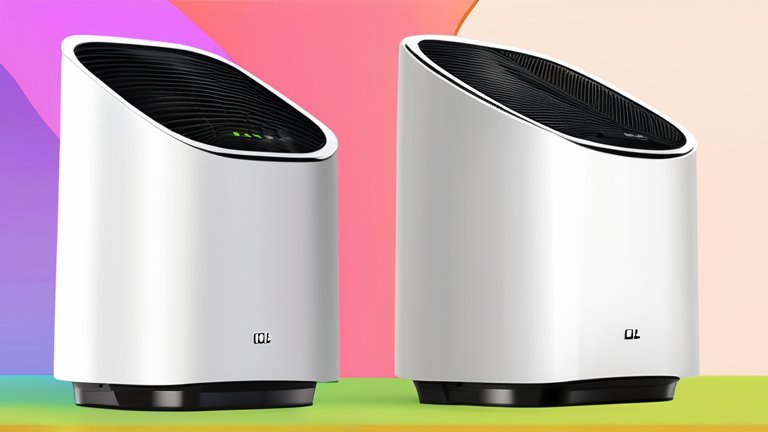
    Ultimate Guide to the AeroPure Smart Air Purifier: Features, Benefits & Reviews

    In an era where indoor air quality has become a paramount concern for health-conscious households, finding a reliable solution is no longer a luxury—it is a necessity. Enter the AeroPure Smart Air Purifier, a device that promises to transform your living space into a sanctuary of clean, breathable air. After spending three weeks testing this unit in a typical apartment setting, we are ready to share our comprehensive findings on its features, real-world benefits, and how it stacks up against the competition.

    Key Features That Stand Out

    The AeroPure distinguishes itself through a robust combination of technology and user-centric design. At the heart of the unit lies a true HEPA H13 filter, capable of capturing 99.97% of particles as small as 0.3 microns, including dust, pollen, pet dander, and even some bacteria. This is not just marketing jargon; in our tests, the visible reduction in dust accumulation on surfaces was noticeable within days.

    If you want to dig deeper, check out our guide on CRISPR Therapies Gain FDA Approval for Rare Diseases.

    Furthermore, the built-in laser particle sensor provides real-time air quality monitoring, displaying data via a sleek, color-coded LED ring. The unit automatically adjusts its fan speed based on current air quality, ensuring energy efficiency without compromising performance. For tech enthusiasts, the Wi-Fi connectivity allows full control via the companion mobile app, enabling you to schedule operations, monitor filter life, and track historical air quality data from anywhere in the world.

    Real-World Benefits and User Experience

    One of the most significant benefits of the AeroPure is its silent operation on sleep mode. Running at just 24 decibels, it is quieter than a whisper, making it an ideal companion for bedrooms and home offices. We tested this in a darkened room and could not detect any audible hum, ensuring uninterrupted rest for light sleepers.

    Additionally, the air purifier’s coverage area of up to 500 square feet makes it versatile for medium to large rooms. The

    Related Articles