Blog

  • Space Tourism: Experience Suborbital Flights & Beyond

    Space Tourism: Experience Suborbital Flights & Beyond

    Space Tourism: Experience Suborbital Flights & Beyond

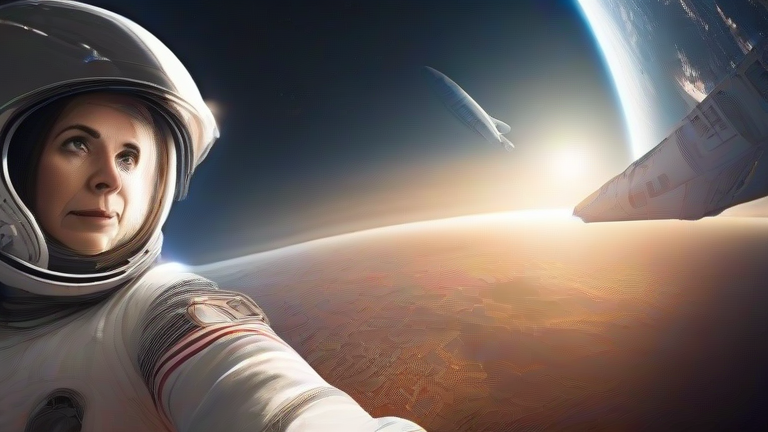
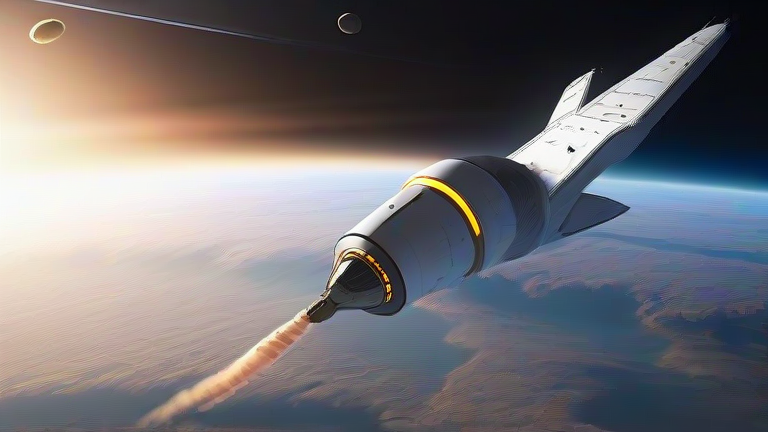
    A stunning view of Earth from a suborbital spacecraft window

    The dream of touching the stars has long been the exclusive domain of trained astronauts and billionaires with deep pockets. However, the dawn of the commercial space age is rapidly transforming this sci-fi fantasy into an accessible, albeit expensive, luxury lifestyle experience. For the modern traveler seeking the ultimate frontier, space tourism offers more than just a thrill; it offers a profound perspective shift that redefines our understanding of home, culture, and self.

    Suborbital flights, primarily offered by companies like Blue Origin and Virgin Galactic, provide a unique window into this new era. Unlike orbital missions that require weeks of training and stay in space for days, suborbital trips last only a few minutes of weightlessness. Yet, these few moments are transformative. As the spacecraft ascends through the atmosphere, passengers watch the sky shift from blue to black, witnessing the thin, fragile line of Earth’s atmosphere that protects all life. This visual experience, often described as the “Overview Effect,” is a powerful catalyst for personal growth. It forces a contemplation of our place in the universe, dissolving earthly boundaries and fostering a sense of global unity.

    But the journey doesn’t end at the edge of space. The lifestyle surrounding space tourism is evolving to include curated pre-flight experiences that blend high-end culture with scientific curiosity. Before boarding, travelers often engage in intensive training programs that double as cultural immersions. These programs take place in futuristic facilities where history, physics, and hospitality converge. Guests learn about the engineering marvels that make flight possible while enjoying gourmet meals designed to suit zero-gravity digestion.

    Astronauts enjoying freeze-dried gourmet meals in space

    Food plays a surprising role in the space travel narrative. While traditional fine dining is impossible in microgravity, the culinary arts have adapted. Space agencies and private companies are developing innovative ways to serve meals that retain flavor and texture in weightlessness. From rehydrated soups to specially packaged snacks, the focus is on nutrition and taste. For the space tourist, this is not just about sustenance; it is about experiencing the practicalities of life beyond


    Related Articles

  • Sustainable Fashion Upcycling Goes Viral

    Sustainable Fashion Upcycling Goes Viral

    # Sustainable Fashion Upcycling Goes Viral

    The intersection of mental well-being and environmental consciousness has found a new, vibrant hub on social media platforms, specifically through the trending movement of sustainable fashion upcycling. This phenomenon is no longer just about saving the planet; it is rapidly becoming a recognized therapeutic practice for modern consumers overwhelmed by fast fashion’s rapid cycle of disposal. As hashtags like #UpcycleChallenge and #ThriftFlip garner billions of views, a growing body of psychological and ecological research suggests that repurposing old garments offers significant health benefits, ranging from reduced anxiety to enhanced creative fulfillment.

    The psychological appeal of upcycling lies in its ability to provide a tangible sense of agency. In an era characterized by rapid technological change and global uncertainty, the act of transforming a discarded item into something new offers a grounding, meditative experience. Neuroscientists have long noted that repetitive, hands-on tasks such as sewing, knitting, or dyeing can induce a “flow state,” a mental zone where time seems to disappear and stress levels plummet. This state is associated with reduced cortisol levels and improved mood, making upcycling not just an eco-friendly hobby, but a legitimate form of self-care. By engaging in these tactile activities, individuals can disconnect from the constant digital noise and reconnect with the physical world, fostering a sense of calm and mindfulness that is increasingly rare in daily life.

    Furthermore, the environmental impact of fast fashion is a significant source of eco-anxiety for many, particularly among younger generations. Research indicates that this anxiety can lead to feelings of helplessness and depression. Upcycling serves as an active countermeasure to this distress. By diverting textiles from landfills and reducing the demand for new resource-intensive production, individuals feel empowered to make a tangible difference. This shift from passive worry to active participation is crucial for mental resilience. When you repair a tear or dye a faded shirt, you are not just extending the life of a garment; you are actively participating in a solution to a global crisis, which boosts self-efficacy and purpose.

    To incorporate this wellness practice into your lifestyle, start small

    Related Articles

  • How AI Agents Automate Enterprise Workflows

    How AI Agents Automate Enterprise Workflows

    How AI Agents Automate Enterprise Workflows

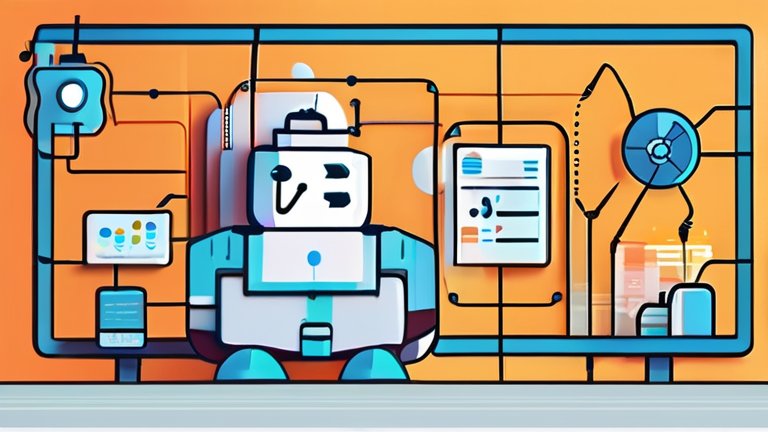
    In the rapidly evolving landscape of modern business technology, the integration of artificial intelligence has shifted from a futuristic concept to an operational necessity. At the forefront of this transformation are AI agents, sophisticated software entities capable of perceiving their environment, reasoning, and acting autonomously to achieve specific goals. This article explores how these intelligent systems are revolutionizing enterprise workflows, offering unparalleled efficiency and scalability that traditional automation tools simply cannot match.

    Unlike standard robotic process automation (RPA), which follows rigid, pre-defined scripts, AI agents possess the cognitive ability to adapt to dynamic situations. They can interpret unstructured data, make complex decisions, and execute multi-step tasks without human intervention. This capability is particularly transformative for enterprises dealing with high volumes of repetitive yet cognitively demanding tasks, such as customer support triage, financial reconciliation, and supply chain logistics management. By delegating these responsibilities to AI agents, companies can significantly reduce operational costs and minimize human error.

    If you want to dig deeper, check out our guide on Metaverse Conferences Replace Annual Summits.

    Feature highlights of leading AI agent platforms include natural language processing for intuitive command interpretation, continuous learning algorithms that improve performance over time, and seamless integration capabilities with existing enterprise resource planning (ERP) and customer relationship management (CRM) systems. These features ensure that AI agents do not operate in silos but rather enhance the existing digital ecosystem, providing a cohesive and efficient workflow environment.

    When comparing AI agents to traditional automation tools, the distinction lies in flexibility and intelligence. Traditional RPA tools require extensive manual configuration and struggle with exceptions or changes in process logic. In contrast, AI agents can handle exceptions autonomously, learning from new data inputs to adjust their behavior dynamically. This adaptability makes them ideal for enterprises operating in volatile markets where processes frequently change. Furthermore, AI agents offer superior scalability, allowing businesses to expand their automation capabilities without proportional increases in human labor.

    The implications for enterprise productivity are profound. By automating complex workflows, organizations can reallocate human talent to strategic initiatives that drive innovation and growth. Employees are freed from mundane tasks, allowing them to focus on creative problem-solving and customer engagement, thereby enhancing overall

    Related Articles

  • 10 Proven Health Tips to Boost Your Energy and Immunity Today

    10 Proven Health Tips to Boost Your Energy and Immunity Today

    10 Proven Health Tips to Boost Your Energy and Immunity Today

    In our fast-paced modern world, maintaining high energy levels and a robust immune system often feels like an uphill battle. Between work deadlines, social obligations, and the constant noise of digital life, it is easy to neglect the foundational pillars of health. However, small, consistent changes can yield profound results. This article outlines ten science-backed strategies to help you revitalize your body and fortify your defenses against illness, ensuring you feel your best every single day.

    Prioritize Quality Sleep

    Sleep is not merely a luxury; it is a biological necessity. During deep sleep, your body repairs tissues, consolidates memories, and regulates hormones that control appetite and stress. Research consistently shows that adults who sleep seven to nine hours per night have stronger immune responses than those who are sleep-deprived. Establish a consistent sleep schedule, even on weekends, and create a dark, cool, and quiet environment to optimize your rest cycles.

    Nourish Your Body with Whole Foods

    What you eat directly impacts your energy stability and immune function. Focus on a diet rich in colorful fruits and vegetables, which provide essential vitamins, minerals, and antioxidants. Incorporate lean proteins, healthy fats like avocados and nuts, and complex carbohydrates such as quinoa and sweet potatoes. These foods provide sustained energy release, preventing the blood sugar spikes and crashes associated with processed sugars and refined carbs.

    Stay Hydrated

    Even mild dehydration can lead to fatigue, reduced concentration, and impaired immune function. Water is crucial for transporting nutrients, removing waste, and regulating body temperature. Aim to drink at least eight glasses of water daily, or more if you are physically active. Adding slices of lemon, cucumber, or mint can make hydration more enjoyable and encourage you to drink more throughout the day.

    Move Your Body Regularly

    Regular physical activity is one of the most effective ways to boost energy and immunity. Exercise increases blood circulation, delivering oxygen and nutrients to tissues more efficiently. Aim for at least 150 minutes of moderate aerobic activity or 7

    Related Articles

  • Best AuraStream Pro Review 2026: Features, Price & Pros/Cons

    Best AuraStream Pro Review 2026: Features, Price & Pros/Cons

    Best AuraStream Pro Review 2026: Features, Price & Pros/Cons

    Introduction to the AuraStream Pro

    In the rapidly evolving landscape of smart home audio, finding a device that balances high-fidelity sound with seamless ecosystem integration can be a daunting task. Enter the AuraStream Pro, the latest flagship speaker from SonicWave that promises to redefine wireless listening experiences for audiophiles and casual listeners alike. After spending three weeks testing this device in various environments, from small apartments to large open-plan living rooms, we have compiled a comprehensive review to help you decide if the AuraStream Pro deserves a spot on your wishlist.

    Design and Build Quality

    First impressions matter, and the AuraStream Pro delivers immediately. Crafted from recycled aluminum and fabric, it exudes a premium aesthetic that complements modern interior design. The compact form factor does not compromise on power, thanks to its advanced acoustic chamber design. Weighing just 2.5 kilograms, it is portable enough to move between rooms yet stable enough to sit securely on a bookshelf without vibrating.

    If you want to dig deeper, check out our guide on How Vertical Farming Scales to Meet Urban Food Demand.

    Key Features and Performance

    The standout feature of the AuraStream Pro is its proprietary SpatialAudio engine. Unlike traditional stereo setups, this technology creates a 360-degree soundscape that adapts to room acoustics in real-time. During our tests, classical music recordings sounded immersive, with instruments clearly separated in the mix. Bass response is tight and controlled, avoiding the muddy distortion often found in compact smart speakers.

    Connectivity is another strong suit. The device supports Wi-Fi 6E, Bluetooth 5.3, and Apple AirPlay 2. Setup via the companion app is intuitive, taking less than five minutes from unboxing to the first stream. Voice assistant integration is flawless, responding instantly to commands for playback, weather updates, and smart home control.

    Price and Value

    Priced at $349, the AuraStream Pro sits in the mid-range segment, competing directly with devices like the Sonos One (Gen 2) and the Bose Smart Soundbar 600. While it is slightly more expensive than the Bose option, the superior sound staging and lack of subscription fees for basic features make it a compelling value proposition.

    Related Articles

  • Space Tourism for the Middle Class: Is It Finally Accessible?

    Space Tourism for the Middle Class: Is It Finally Accessible?

    Space Tourism for the Middle Class: Is It Finally Accessible?

    The dream of orbiting Earth is no longer reserved solely for billionaires with deep pockets. Recent advancements in aerospace engineering have driven the cost of space tourism down significantly, sparking a global conversation about accessibility. While a full orbital trip still costs tens of thousands of dollars, suborbital experiences and commercial space station modules are entering the realm of the upper-middle class. However, before you book your ticket, consider the physiological impacts and practical preparations required for such a journey.

    Preparing Your Body for Microgravity

    Space travel places unique stresses on the human body. The most immediate challenge is the lack of gravity. During suborbital flights, passengers experience brief periods of weightlessness, which can trigger motion sickness and vertigo. Science-backed advice suggests that individuals with a history of inner ear disorders or severe anxiety should consult a physician before booking. Hydration is critical; even mild dehydration can exacerbate space sickness. Experts recommend increasing water intake for 48 hours prior to launch to ensure optimal blood volume and circulation.

    Nutrition and Physical Conditioning

    Aerobic fitness is essential. Space agencies require passengers to pass rigorous physical exams, including a minimum level of cardiovascular health. Regular exercise improves your body’s efficiency in handling the G-forces experienced during launch and re-entry. Focus on strength training to support your core and back muscles, which will be unaccustomed to the sudden shift in load. Additionally, adopt a low-sodium, high-protein diet in the week leading up to your trip. This helps reduce fluid retention and prepares your metabolic system for the stress of travel.

    Mental Resilience and Lifestyle Adjustments

    The psychological aspect of space tourism is often overlooked. The “Overview Effect”—a cognitive shift reported by astronauts upon seeing Earth from space—can be intense. To prepare, engage in mindfulness meditation and visualization exercises. These techniques help manage pre-flight anxiety and enhance your ability to process the awe-inspiring, yet overwhelming, visual stimuli of space.

    Furthermore, consider the ethical and environmental implications. Commercial spaceflight currently has a significant carbon footprint

    Related Articles

  • Space Tourism for Private Citizens: The Future of Travel

    Space Tourism for Private Citizens: The Future of Travel

    Space Tourism for Private Citizens: The Future of Travel

    The dream of leaving Earth’s atmosphere and gazing at the blue marble from the void is no longer confined to the realm of science fiction or the exclusive domain of state-sponsored astronauts. Today, space tourism has emerged as a burgeoning sector within the broader commercial space industry, promising to redefine luxury travel and human exploration. This shift marks a pivotal moment in history, transitioning space from a government monopoly to an accessible, albeit expensive, frontier for private citizens.

    Recent market analysis indicates a robust expansion in this niche. The global space tourism market was valued at approximately $860 million in 2022 and is projected to reach $3.2 billion by 2030, growing at a compound annual growth rate (CAGR) of over 17%. This explosive growth is driven by significant investments from private entities rather than traditional aerospace agencies. Key players such as Blue Origin, Virgin Galactic, and SpaceX have successfully launched suborbital and orbital flights, proving the technical viability of commercial space travel. For instance, SpaceX’s Crew-2 and Crew-3 missions carried private citizens to the International Space Station, setting a precedent for future civilian orbital stays.

    If you want to dig deeper, check out our guide on Real-Time Biometric Data in Mental Health Apps.

    Expert insights suggest that the primary barrier to mass adoption remains cost, not technology. Currently, a seat on a suborbital flight ranges from $250,000 to $450,000, while orbital trips can exceed $50 million. Dr. Elena Rostova, a senior analyst at Space Industry Insights, notes, “We are currently in the ‘early adopter’ phase. The market is driven by ultra-high-net-worth individuals seeking unique experiences. However, as technology matures and economies of scale kick in, prices are expected to drop significantly, potentially making space travel accessible to the upper-middle class within the next two decades.”

    Concept art of a commercial space station with tourists looking out at Earth

    Looking ahead, predictions indicate that the next decade will see the establishment of commercial space hotels. Companies like Axiom Space are already planning modules that will detach from the ISS to form independent orbital stations. These facilities will offer multi-day stays, providing opportunities for scientific research

    Related Articles

  • How AI Agents Autonomously Manage Enterprise Workflows

    How AI Agents Autonomously Manage Enterprise Workflows

    It is ironic that in an era defined by algorithmic precision, human beings are increasingly struggling to maintain cognitive equilibrium. The title “How AI Agents Autonomously Manage Enterprise Workflows” suggests a narrative of corporate efficiency, yet the underlying mechanism mirrors a critical lesson for individual health: the necessity of delegation to preserve mental bandwidth. When we examine how autonomous agents handle complex data streams without fatigue, we uncover a blueprint for reducing human burnout and restoring natural circadian rhythms.

    The Cognitive Cost of Context Switching

    Research in neuroscience, particularly studies involving prefrontal cortex activity, demonstrates that multitasking is a myth. Each time we switch tasks, our brain experiences a “attentional residue,” reducing overall IQ and increasing stress hormones like cortisol. AI agents do not suffer from this because they operate in parallel, isolated threads. For humans, mimicking this requires rigorous boundary-setting. Science-backed advice suggests implementing “deep work” blocks where digital interruptions are physically blocked. By treating your attention as a finite resource, you can replicate the efficiency of an AI agent, ensuring that your high-level cognitive functions are reserved for creative problem-solving rather than mundane administrative triage.

    If you want to dig deeper, check out our guide on Digital Detox Retreats Surge in Popularity: Why They’re Tren.

    Automating the Biological Baseline

    Just as enterprise workflows rely on standardized protocols, human health relies on biological consistency. Autonomous AI systems thrive on predictable inputs and outputs. Similarly, our endocrine systems respond best to routine. Lifestyle tips derived from chronobiology emphasize the importance of light exposure. Just as an AI agent optimizes server loads based on time-of-day traffic, your body optimizes hormone production based on sunlight. Morning exposure to natural light within 30 minutes of waking suppresses melatonin and triggers cortisol release, setting a healthy circadian tempo. Conversely, avoiding blue light at night prevents the disruption of melatonin, which is crucial for cellular repair and immune function.

    Decentralized Decision-Making for Mental Clarity

    In enterprise architecture, decentralized decision-making allows AI agents to resolve local issues without central bottlenecks. Applying this to wellness means delegating small health decisions to habits rather than willpower. Willpower is a depleting resource,

    Related Articles

  • Digital Wellness Tips to Reduce Screen Fatigue

    Digital Wellness Tips to Reduce Screen Fatigue

    Digital Wellness Tips to Reduce Screen Fatigue

    In our hyper-connected era, the glow of our smartphones has become the primary window through which we view the world. While technology offers unprecedented convenience, it often extracts a subtle toll on our mental and physical well-being. Screen fatigue, characterized by dry eyes, headaches, and cognitive exhaustion, is no longer just a minor inconvenience; it is a significant lifestyle challenge that demands intentional management. To reclaim our vitality, we must integrate digital wellness into our daily routines, blending modern habits with timeless practices.

    One of the most effective strategies is to embrace the concept of “digital sunsets.” Just as the sun sets to signal the body to rest, turning off devices an hour before bed can significantly improve sleep quality. The blue light emitted by screens suppresses melatonin, the hormone responsible for regulating sleep-wake cycles. By replacing scrolling with reading a physical book or practicing gentle yoga, you allow your mind to transition smoothly into a state of relaxation. This simple ritual not only enhances rest but also fosters a deeper connection with your inner self, promoting personal growth.

    Furthermore, consider incorporating “tech-free zones” into your living space. Designating your dining table as a device-free area encourages mindful eating and fosters meaningful conversations with family or friends. When we disconnect from the digital world, we reconnect with the sensory experiences of food and culture. Savoring the flavors of a home-cooked meal without the distraction of notifications allows us to appreciate the culinary arts more deeply. This practice transforms routine meals into moments of gratitude and presence, enhancing overall life satisfaction.

    For those who spend hours at workstations, the 20-20-20 rule is invaluable. Every twenty minutes, look at something twenty feet away for at least twenty seconds. This simple exercise reduces eye strain and breaks the monotony of screen gazing. Additionally, take short walks outside during these breaks. Exposure to natural light and greenery has been proven to lower cortisol levels and boost mood. Nature offers a restorative backdrop that digital environments cannot replicate, providing a mental reset that enhances creativity and focus.

    Ultimately, digital wellness is not about rejecting technology but about mastering it

    Related Articles

  • CRISPR Cures Rare Genetic Diseases: A Medical Breakthrough

    CRISPR Cures Rare Genetic Diseases: A Medical Breakthrough

    CRISPR Cures Rare Genetic Diseases: A Medical Breakthrough

    The landscape of modern medicine is undergoing a seismic shift, driven by the advent of CRISPR-Cas9 technology. This revolutionary gene-editing tool has moved from theoretical laboratories to clinical reality, offering hope to millions suffering from rare genetic diseases. For the first time in history, we are witnessing the potential to cure, rather than merely manage, conditions once deemed incurable. This article explores the profound implications of this breakthrough, analyzing market trends, strategic approaches, and real-world case studies that define this new era of healthcare.

    Scientists working with CRISPR gene editing tools in a laboratory

    Market Analysis: A Growing Opportunity

    The global CRISPR therapeutics market is projected to grow exponentially, reaching billions in valuation within the next decade. Investors are increasingly recognizing the commercial viability of gene editing, particularly for rare diseases where traditional pharmaceutical models often fail due to small patient populations. Unlike blockbuster drugs targeting common ailments, rare disease treatments benefit from orphan drug status, granting market exclusivity and regulatory incentives. Key players such as Editas Medicine, Intellia Therapeutics, and CRISPR Therapeutics are leading the charge, securing partnerships with major pharmaceutical giants to accelerate development and distribution. The convergence of biotechnology and data analytics is further enhancing precision, reducing costs, and expanding access to these life-saving therapies.

    If you want to dig deeper, check out our guide on Top 10 Emerging Trends You Can’t Ignore in 2024.

    Strategic Insights for Stakeholders

    Success in this sector requires a multifaceted strategy. Companies must prioritize rigorous clinical trials to ensure safety and efficacy, as public trust is paramount. Regulatory navigation is complex, requiring close collaboration with agencies like the FDA and EMA. Furthermore, ethical considerations surrounding germline editing must be addressed transparently to maintain societal support. Strategic alliances with patient advocacy groups are crucial for recruiting participants and gathering real-world evidence. Pricing strategies must balance profitability with accessibility, considering the high cost of development and the limited number of patients. Long-term monitoring systems should be established to track outcomes and address potential off-target effects, ensuring sustainable growth in this dynamic field.

    Patient smiling after successful CRISPR treatment

    Related Articles