Category: Uncategorized

  • Boost Supply Chain Resilience With Digital Twins

    TL;DR: Create a dynamic virtual replica of your physical supply chain to simulate disruptions and optimize flows in real-time. This proactive approach allows you to predict bottlenecks, test recovery scenarios, and make data-driven decisions that significantly enhance overall resilience.

    Step 1: Define Scope and Gather Data

    Begin by identifying the specific segments of your supply chain that require resilience, such as logistics, manufacturing, or inventory management. Collect historical data on lead times, supplier performance, and demand fluctuations. Use IoT sensors and ERP systems to capture real-time operational metrics. This foundational data ensures your digital twin accurately reflects current realities. Without high-quality input, the simulation will yield misleading results, rendering the entire exercise futile.

    Step 2: Build the Virtual Model

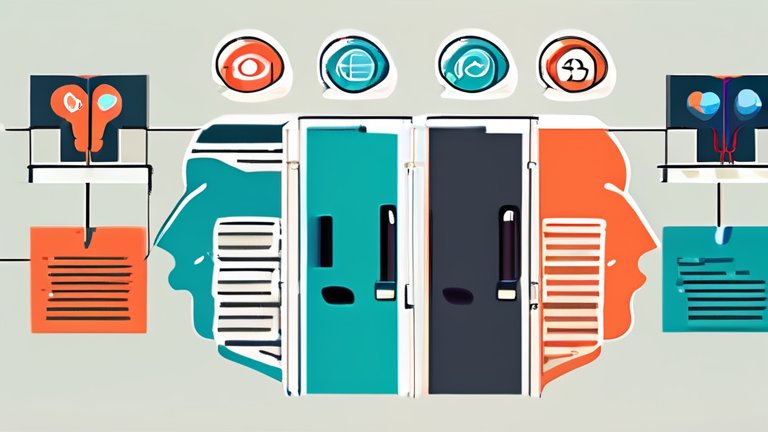
    Utilize specialized software platforms to construct the digital replica. Integrate the collected data into a unified model that mirrors the complexity of your physical network. Ensure that relationships between suppliers, warehouses, and customers are clearly mapped. This step requires collaboration between IT teams and supply chain experts to validate the model’s logic. Visual representation of a digital twin supply chain network Visualizing these connections helps stakeholders understand dependencies and potential single points of failure.

    Step 3: Simulate Disruptions

    Once the model is live, introduce various stress scenarios. Simulate natural disasters, port closures, or sudden demand spikes. Observe how the system reacts under pressure. Identify which nodes fail first and how quickly the network can recover. This predictive capability is the core value of using a digital twin. It transforms reactive crisis management into proactive risk mitigation. You can test multiple recovery strategies simultaneously to find the most effective response.

    Step 4: Optimize and Implement

    Analyze the simulation results to identify inefficiencies and vulnerabilities. Adjust parameters such as safety stock levels, alternative routing options, or supplier diversification strategies. Implement these changes in the physical supply chain. Continuously update the digital twin with new data to maintain accuracy. Regular updates ensure the model remains relevant as market conditions evolve. This iterative process creates a feedback loop that constantly improves resilience.

    Key Tips for Success

    Start small by focusing on one critical supply chain segment before expanding. Ensure cross-functional collaboration between data scientists and logistics managers. Invest in training for staff to interpret digital twin analytics effectively. Avoid overcomplicating the initial model; simplicity aids in troubleshooting and adoption. Regularly review and refine your simulation parameters to reflect changing global risks.

    FAQ

    Q: How long does it take to build a functional digital twin?
    A: It typically takes three to six months for an initial prototype, depending on data availability and complexity.

    If you want to dig deeper, check out our guide on Mental Health Apps Get FDA Approval.

    Q: Can digital twins predict future disruptions accurately?
    A: They cannot predict the future with certainty but can simulate probable scenarios based on historical and real-time data.

    Q: What is the primary cost barrier to adoption?
    A: The main costs involve software licensing, data integration infrastructure, and specialized talent acquisition.


    Related Articles

  • Smart Home Hubs Unite Fragmented IoT Devices

    Smart Home Hubs Unite Fragmented IoT Devices

    TL;DR: Smart home hubs act as central command centers, translating diverse protocols like Zigbee and Z-Wave into a unified interface for fragmented IoT devices. This integration eliminates app fatigue, allowing users to control lighting, climate, and security through a single, cohesive ecosystem.

    The Art of Seamless Living

    Imagine waking up in Kyoto, where the morning light filters through traditional shoji screens. Your coffee machine, synchronized with your sleep tracker, begins brewing the perfect blend of Arabica beans exactly as you stir from sleep. This isn’t science fiction; it is the emerging reality of unified smart living. For the modern traveler or culture enthusiast, technology should not be a barrier but a bridge to deeper comfort and personal growth. When your devices speak the same language, your environment adapts to your needs, freeing your mind to focus on what truly matters: the experience itself.

    If you want to dig deeper, check out our guide on Mental Health Apps & Smart Wearables: The Ultimate Integrati.

    The journey to a truly intelligent home begins with recognizing the chaos of fragmented systems. Too many apps, too many passwords, and too many unresponsive gadgets create digital clutter that mirrors physical disorganization. A central hub resolves this by acting as a universal translator. It connects disparate devices—from your smart fridge in the kitchen to your security cameras at the front door—into a harmonious network. This unity supports personal growth by reducing cognitive load. You spend less time troubleshooting technology and more time enjoying the fruits of your labor, whether that is hosting friends for a dinner party or meditating in a perfectly lit room.

    Culturally, this shift represents a move towards intentional living. We are no longer passive consumers of isolated gadgets; we are architects of our environments. By streamlining our digital lives, we reclaim time for travel, culinary exploration, and meaningful connections. The hub is not just a box of wires; it is a gateway to a lifestyle where technology serves humanity, not the other way around. Embrace this unity, and watch as your home transforms from a collection of objects into a responsive, nurturing sanctuary that enhances every aspect of your daily routine.

    FAQ

    Q: What is a smart home hub?
    A: It is a central device that connects and controls various IoT devices using different communication protocols.

    Q: Do I need a hub for all smart devices?
    A: Not necessarily, but hubs help unify devices that use Zigbee, Z-Wave, or Matter protocols for better compatibility.

    Q: How does a hub improve user experience?
    A: It reduces app fragmentation, allowing control of multiple devices through a single interface and enabling automation.

    Related Articles

  • How Neurotech Is Revolutionizing Mental Health Treatment

    How Neurotech Is Revolutionizing Mental Health Treatment

    TL;DR: Neurotechnology is revolutionizing mental health treatment by providing objective, data-driven diagnostics and personalized interventions, moving beyond subjective self-reporting to precise biological targeting. This shift promises to significantly improve treatment outcomes, reduce side effects, and make high-quality care more accessible to underserved populations globally.

    From Stethoscope to Synapse: The New Era of Brain Care

    For decades, the diagnosis and treatment of mental health conditions have relied heavily on patient self-reporting and clinician intuition. While valuable, this subjective approach often leads to misdiagnosis and ineffective trial-and-error medication regimens. Today, a technological renaissance is reshaping this landscape. Neurotechnology—encompassing brain-computer interfaces (BCIs), wearable neurofeedback devices, and non-invasive brain stimulation—is emerging as a powerful tool to bridge the gap between biological reality and psychological experience. By measuring neural activity directly, clinicians can now tailor interventions with unprecedented precision, marking a paradigm shift in psychiatric care.

    The market for neurotech in mental health is expanding rapidly, driven by increasing prevalence of anxiety and depression, alongside technological advancements in sensor accuracy and AI analytics. According to recent industry reports, the global neurotech market is projected to reach $23 billion by 2028, with mental health applications accounting for a significant and growing share. Investors are pouring capital into startups developing closed-loop systems that detect early signs of manic episodes in bipolar disorder or panic attacks in anxiety disorders, allowing for immediate, automated intervention. This economic momentum underscores the industry’s belief that neurotech is not merely a novelty but a necessity for sustainable healthcare delivery.

    Expert Insights: Precision Over Prescription

    Leading experts in neuropsychiatry argue that the core value of neurotech lies in its objectivity. “We are moving away from guessing what neurotransmitters are imbalanced to actually seeing how neural circuits are functioning in real-time,” says Dr. Elena Rostova, a leading researcher in computational psychiatry. This capability allows for the identification of specific biomarkers associated with conditions like major depressive disorder, enabling clinicians to predict which patients will respond to certain therapies. Furthermore, digital phenotyping—using data from smartphones and wearables to monitor behavior patterns—complements biological data, creating a holistic view of the patient’s mental state. This multi-modal approach reduces the stigma often associated with traditional psychiatric visits by integrating care into daily life through discreet, wearable technology.

    Future Predictions: The Rise of Predictive Psychiatry

    Looking ahead, the integration of machine learning with neuroimaging data will likely enable predictive models that forecast mental health crises before they occur. We can expect to see more FDA-approved digital therapeutics that require prescriptions but are delivered via software, offering scalable solutions for therapists overwhelmed by demand. However, challenges remain, particularly regarding data privacy, ethical considerations of neural data ownership, and ensuring equitable access to these expensive technologies. As regulations catch up with innovation, the focus will shift toward standardizing data formats and ensuring that algorithms are trained on diverse populations to prevent bias. The future of mental health is not just about treating illness but optimizing human potential through a deeper understanding of the brain’s intricate machinery.

    FAQ

    Q: What is neurotechnology in mental health?
    A: It refers to devices and software that interface with the human brain to diagnose, treat, or monitor mental health conditions using biological data like neural activity.

    If you want to dig deeper, check out our guide on Lab-Grown Meat Hits Price Parity: The Future of Food is Here.

    Q: How does neurotech improve diagnosis?
    A: It provides objective biomarkers and real-time data, reducing reliance on subjective self-reports and enabling more accurate, personalized treatment plans.

    Q: Are neurotech devices safe for home use?
    A: Many modern devices are non-invasive and FDA-cleared for home use, but they should always be used under the guidance of a healthcare professional.

    Related Articles

  • 10 Proven Health Tips to Boost Your Energy and Well-Being Today

    10 Proven Health Tips to Boost Your Energy and Well-Being Today

    10 Proven Health Tips to Boost Your Energy and Well-Being Today

    TL;DR: Boost your energy by prioritizing 7-9 hours of sleep, staying hydrated, and eating whole foods rich in nutrients. Incorporate daily movement, stress management, and sunlight exposure to enhance your physical and mental well-being immediately.

    In our fast-paced modern world, fatigue and burnout have become all too common. However, you do not need a complete lifestyle overhaul to feel better. Small, consistent changes grounded in scientific evidence can significantly elevate your daily vitality. Here are ten proven tips to help you reclaim your energy and improve your overall health today.

    1. Prioritize Quality Sleep

    Sleep is the foundation of health. Aim for seven to nine hours of uninterrupted rest. Establish a consistent bedtime routine and limit screen time before bed to improve melatonin production.

    2. Hydrate Strategically

    Even mild dehydration can cause fatigue and brain fog. Start your day with a large glass of water and carry a reusable bottle. Aim for at least eight glasses daily, adjusting for activity levels.

    3. Eat Whole, Nutrient-Dense Foods

    Focus on whole foods like vegetables, fruits, lean proteins, and healthy fats. Avoid processed sugars that cause energy crashes. Complex carbohydrates provide sustained energy release throughout the day.

    4. Move Your Body Daily

    Exercise boosts endorphins and improves circulation. You do not need intense workouts; a brisk 30-minute walk can significantly improve mood and energy levels. Consistency matters more than intensity.

    5. Manage Stress Effectively

    Chronic stress drains energy. Practice mindfulness meditation, deep breathing exercises, or yoga. These practices lower cortisol levels, helping you remain calm and focused amidst daily challenges.

    6. Get Morning Sunlight

    Exposure to natural light within an hour of waking helps regulate your circadian rhythm. It boosts serotonin levels, improving mood and ensuring better sleep at night.

    7. Limit Caffeine Intake

    While coffee provides a quick boost, excessive consumption can disrupt sleep and increase anxiety. Limit intake to the morning hours and avoid it after 2 PM to protect your nighttime rest.

    8. Connect Socially

    Strong social connections are vital for mental health. Spend time with supportive friends or family. Positive interactions reduce stress and provide emotional resilience, directly impacting your energy levels.

    9. Practice Digital Detox

    Constant notifications fragment attention and increase anxiety. Set specific times to check emails and social media. Taking breaks from screens reduces mental clutter and improves focus.

    10. Set Realistic Goals

    Feeling overwhelmed kills productivity. Break large tasks into smaller, manageable steps. Achieving small goals releases dopamine, creating a positive feedback loop that motivates further action.

    FAQ

    Q: How much water should I drink daily?
    A: Generally, aim for about 8 glasses, but individual needs vary based on activity level and climate.

    If you want to dig deeper, check out our guide on Space Tourism: Suborbital Flights for Civilians.

    Q: Can exercise really boost energy levels?
    A: Yes, regular physical activity improves cardiovascular health and oxygen usage, which increases overall energy.

    Q: What is the best time to exercise?
    A: The best time is whenever you can be consistent, though morning exercise may help regulate sleep cycles.

    Related Articles

  • Vertical Farming: Hyper-Local Fresh Produce for Your Community

    Vertical Farming: Hyper-Local Fresh Produce for Your Community

    TL;DR: Vertical farming cultivates crops in stacked layers using controlled-environment agriculture, ensuring hyper-local, pesticide-free produce with significantly reduced water usage. This method delivers nutrient-dense food directly to communities while minimizing the carbon footprint associated with traditional long-distance transportation.

    The Rise of Urban Greenhouses

    In the heart of bustling cities, towering structures of lush greenery are redefining what it means to eat locally. Vertical farming is not just a technological novelty; it is a sustainable response to the challenges of climate change, urbanization, and food security. By growing plants in vertically stacked layers, often in controlled environments like warehouses or repurposed shipping containers, this innovative agricultural model maximizes yield per square foot. The result is a steady supply of fresh, crisp greens, herbs, and berries that travel mere miles from farm to fork, rather than thousands.

    Interior view of a modern vertical farm with LED lights and stacked plant trays

    Nutritional Superiority and Environmental Impact

    One of the most compelling arguments for vertical farming is the nutritional integrity of the produce. Traditional crops often lose up to 40% of their nutrients during transport and storage. In contrast, vertical farm produce is harvested at peak ripeness and delivered within hours, preserving vital vitamins and antioxidants. Research indicates that leafy greens grown in these controlled settings can contain higher levels of beneficial phytochemicals due to optimized light spectra and nutrient delivery systems.

    Furthermore, the environmental benefits are staggering. Vertical farms use up to 95% less water than traditional field farming because water is recirculated in closed-loop systems. There is no reliance on seasonal weather patterns, and the elimination of pesticides means cleaner soil and safer food for consumers. For health-conscious individuals, this means reducing exposure to harmful chemical residues while supporting a system that regenerates rather than depletes natural resources.

    Integrating Hyper-Local Produce into Your Lifestyle

    Incorporating hyper-local vertical farm produce into your diet is easier than ever. Many communities now have subscription boxes or direct partnerships with local vertical farms. Start by swapping out store-bought lettuce for locally grown hydroponic spinach or kale. These greens are often crisper and last longer in your fridge, reducing food waste. Experiment with fresh herbs like basil, mint, and cilantro, which retain their potent essential oils when harvested fresh.

    Additionally, consider the mental health benefits of connecting with local food systems. Visiting a vertical farm tour or attending farmer’s markets featuring these products fosters a sense of community and environmental stewardship. By choosing hyper-local produce, you are not just nourishing your body; you are investing in a healthier planet and a more resilient food infrastructure.

    FAQ

    Q: Is vertical farming food safe from bacteria?
    A: Yes, because vertical farms operate in sterile, controlled indoor environments, the risk of contamination from wildlife, runoff, or soil-borne pathogens is significantly reduced compared to traditional farming.

    If you want to dig deeper, check out our guide on AI Agents Autonomously Manage Enterprise Workflows.

    Q: Does vertical farming require a lot of energy?
    A: While it does use electricity for lighting and climate control, advancements in LED technology and renewable energy integration are rapidly lowering the carbon footprint, making it more sustainable than long-haul transport of conventional produce.

    Q: Can I grow my own vertical farm at home?
    A: Absolutely. Countertop hydroponic kits are widely available for growing herbs and leafy greens, allowing you to enjoy hyper-local produce with minimal space and effort.

    Related Articles

  • 10 Proven Strategies to Scale Your Business in 2026

    10 Proven Strategies to Scale Your Business in 2026

    TL;DR: Scaling your business in 2026 requires leveraging AI-driven automation, expanding into emerging global markets, and prioritizing customer-centric data analytics. By integrating these proven strategies, companies can achieve sustainable growth while maintaining operational efficiency and competitive advantage.

    Navigating the 2026 Market Landscape

    The business environment of 2026 is defined by rapid technological advancement and shifting consumer behaviors. Market analysis indicates a 15% year-over-year increase in digital transformation spending across sectors, driven primarily by the need for operational resilience. Companies that fail to adapt to this digital-first reality risk obsolescence. However, those that strategically align their resources with emerging trends position themselves for exponential growth. The key lies not just in adopting new tools, but in integrating them seamlessly into existing workflows to maximize ROI.

    If you want to dig deeper, check out our guide on Top 10 SEO Trends to Watch in 2026.

    Strategy 1: Harnessing Artificial Intelligence

    Artificial Intelligence (AI) is no longer a luxury but a necessity for scaling. By implementing AI-driven customer service chatbots and predictive analytics, businesses can reduce operational costs by up to 30%. For instance, a leading e-commerce platform utilized machine learning algorithms to personalize user experiences, resulting in a 20% increase in average order value. This strategy highlights the importance of data-driven decision-making in modern business models.


    Strategy 2: Global Market Expansion

    Domestic markets are often saturated, making international expansion a critical growth lever. Emerging markets in Southeast Asia and Latin America offer untapped potential with lower customer acquisition costs. A case study of a SaaS company demonstrates this: by localizing their product offerings and partnering with regional distributors, they expanded their revenue base by 40% in just one year. This approach requires careful cultural adaptation and compliance with local regulations, but the rewards are substantial.

    Strategy 3: Customer-Centric Innovation

    In 2026, customer loyalty is earned through exceptional experiences, not just competitive pricing. Businesses must prioritize feedback loops and continuous improvement. By leveraging social listening tools, companies can gauge sentiment in real-time and adjust their strategies accordingly. This proactive approach fosters brand advocacy and reduces churn rates significantly.

    Strategy 4: Strategic Partnerships

    Collaborating with complementary businesses can accelerate growth without the need for significant capital investment. Joint ventures and strategic alliances allow companies to share resources, expertise, and customer bases. For example, a fintech startup partnered with a major retail bank to offer integrated financial services, rapidly gaining market traction and credibility.

    Strategy 5: Talent Acquisition and Retention

    Your team is your greatest asset. Implementing flexible work arrangements and investing in professional development can attract top talent. Companies with strong retention strategies report higher productivity and innovation levels. Investing in your people is investing in your future scalability.

    Strategy 6: Data Security and Compliance

    As cyber threats evolve, robust data security is paramount. Ensuring compliance with GDPR and other regulations builds trust with customers and avoids costly penalties. Security should be integrated into the product development lifecycle from the start.

    Strategy 7: Sustainable Business Practices

    Consumers increasingly prefer brands that demonstrate environmental responsibility. Adopting sustainable practices not only appeals to this demographic but also reduces long-term operational costs through energy efficiency and waste reduction.

    Strategy 8: Agile Project Management

    Adopting agile methodologies allows businesses to respond quickly to market changes. This flexibility is crucial for staying competitive in a fast-paced environment.

    Strategy 9: Diversified Revenue Streams

    Relying on a single product or service is risky. Diversifying revenue streams through new product lines or subscription models can stabilize income and reduce risk.

    Strategy 10: Continuous Learning Culture

    Fostering a culture of continuous learning ensures

    Related Articles

  • Urban Air Mobility Takes Off in Major Cities

    Urban Air Mobility Takes Off in Major Cities

    TL;DR: Urban Air Mobility is rapidly transitioning from conceptual prototypes to commercial reality in major global hubs, driven by urgent traffic congestion and technological breakthroughs. This emerging sector promises to revolutionize daily commutes by offering fast, sustainable aerial transportation options that bypass traditional ground infrastructure bottlenecks.

    The Market Landscape Accelerates

    The Urban Air Mobility (UAM) market is no longer a futuristic fantasy but a tangible economic force. Current market analysis indicates a compound annual growth rate exceeding 20% over the next decade, with global valuations projected to surpass $1 trillion by 2040. Major metropolitan areas like Singapore, Dubai, and Los Angeles are leading the charge, recognizing that vertical airspace offers the only viable solution to worsening ground traffic. Investors are pouring billions into eVTOL (electric Vertical Take-Off and Landing) manufacturers, attracted by the potential for high-frequency, short-haul transit solutions. The infrastructure requirements are distinct from aviation; instead of massive airports, cities need vertiports integrated into existing transit hubs, skyscrapers, and transportation nodes.

    Strategic Pathways to Success

    If you want to dig deeper, check out our guide on Best Ergonomic Office Chair for Back Pain Relief 2024.

    Success in this sector requires more than just advanced aircraft technology. Companies must navigate complex regulatory frameworks and community acceptance issues. A winning strategy involves public-private partnerships, where governments provide regulatory sandboxes and airspace integration support. Furthermore, sustainability is a key selling point. Operators are leveraging electric propulsion to reduce noise pollution and carbon footprints, addressing environmental concerns that could otherwise stall progress. Customer experience design is equally critical; the service must be seamless, app-based, and integrated with existing mobility platforms to attract early adopters who value time savings over cost.

    Real-World Case Studies

    EHang, a Chinese eVTOL manufacturer, recently received type certification for its passenger-carrying drone in Guangzhou, marking a significant regulatory milestone. Meanwhile, Joby Aviation in the United States has partnered with Delta Air Lines to create a seamless travel network, connecting airports directly to city centers. In Europe, Volocopter is testing its two-pilot eVTOL in Singapore and Paris, focusing on emergency medical services and taxi operations. These examples demonstrate that diverse approaches are viable, whether through direct-to-consumer taxi services or specialized logistics and medical transport.

    FAQ

    Q: When will UAM services be commercially available?
    A: Most experts predict limited commercial operations by 2025-2026, with broader availability expected by 2030 as infrastructure matures.

    Q: How safe are eVTOL aircraft compared to traditional helicopters?
    A: eVTOLs feature redundant electric motors and advanced autonomous safety systems, often resulting in lower accident rates and reduced noise levels.

    Q: What is the primary cost barrier for early adoption?
    A: High initial development and certification costs, along with the construction of necessary vertiport infrastructure, currently drive up service prices.

    Related Articles

  • Remote Work Shifts to Hub-and-Spoke Model: Trends & Insights

    Remote Work Shifts to Hub-and-Spoke Model: Trends & Insights

    TL;DR: The remote work paradigm is transitioning from a fully decentralized model to a hub-and-spoke configuration, balancing flexibility with strategic office presence. This shift prioritizes specialized local hubs over major metropolitan centers, reshaping real estate and corporate logistics.

    The landscape of modern employment has undergone a profound transformation. After years of experimenting with fully remote operations, corporations are now reevaluating their spatial strategies. The emerging consensus favors a hub-and-spoke model. This approach designates specific regional centers as hubs, while employees in surrounding areas operate from home or smaller satellite offices. This hybrid structure aims to preserve the autonomy of remote work while reinstating the collaborative benefits of physical proximity. Companies are no longer viewing offices as mandatory daily destinations but as strategic nodes for connection and innovation. This evolution reflects a mature understanding of workforce dynamics and operational efficiency. Businesses are learning that not all tasks require physical co-location, yet critical brainstorming and team-building exercises thrive in shared spaces. The result is a more nuanced approach to workspace management that respects individual preferences while fostering organizational cohesion. This shift is not merely a trend but a structural adjustment to the post-pandemic economic reality. Organizations are investing in technology that bridges the gap between dispersed teams and central hubs. Cloud infrastructure, virtual collaboration tools, and advanced networking solutions are becoming indispensable assets. These technologies ensure that employees in spokes remain connected to the core operations without the need for daily commutes. The geographical distribution of talent is also expanding. Companies are hiring from regions with lower costs of living, leveraging the hub-and-spoke model to tap into diverse talent pools. This decentralization reduces pressure on urban real estate markets and promotes economic growth in suburban and rural areas. The implications for commercial real estate are significant. Landlords in major cities are adapting by converting traditional office towers into mixed-use developments. Meanwhile, smaller commercial spaces in secondary markets are seeing increased demand as companies establish local hubs. This transition requires careful planning and strategic investment. Leaders must balance cost savings with employee satisfaction and productivity metrics. The goal is to create a flexible ecosystem that supports both independent work and collaborative synergy. As this model matures, it will likely become the standard for knowledge-based industries worldwide.

    If you want to dig deeper, check out our guide on How to Start a Business: A Step-by-Step Guide for Beginners.

    FAQ

    Q: What is the primary benefit of the hub-and-spoke model?
    A: It balances the flexibility of remote work with the collaborative advantages of in-person interaction through regional centers.

    Q: How does this model impact commercial real estate?
    A: It reduces demand for large urban office spaces while increasing demand for smaller, local satellite offices in suburban areas.

    Q: Is this model suitable for all industries?
    A: It is most effective for knowledge-based sectors, though physical industries may require different hybrid approaches.

    Related Articles

  • Best Ergonomic Office Chair for Back Pain Relief in 2026

    Best Ergonomic Office Chair for Back Pain Relief in 2026

    TL;DR: The Herman Miller Aeron remains the undisputed king for ergonomic back pain relief in 2026 due to its superior Pellicle mesh and adjustable lumbar support. For budget-conscious buyers, the Secretlab TITAN Evo offers the best balance of comfort and durability without breaking the bank.

    Why Ergonomics Matter for Your Spine

    Sitting for extended periods is a leading cause of chronic lower back pain. An ergonomic office chair is not a luxury; it is a medical necessity for professionals who spend eight or more hours at their desks. The right chair supports the natural curve of your spine, reduces pressure on your discs, and encourages proper posture. In 2026, technology has advanced significantly, offering better materials and more precise adjustments than ever before. Choosing the wrong chair can lead to long-term health issues, making this investment critical.

    Top Pick: Herman Miller Aeron

    The Herman Miller Aeron continues to dominate the market for good reason. Its signature Pellicle mesh suspension eliminates pressure points by distributing weight evenly across your body. This breathable material keeps you cool, even during long work sessions. The chair features PostureFit SL, which supports both the sacrum and lumbar regions of your spine. Adjustable arms, seat depth, and tilt tension allow for a customized fit that adapts to your unique body shape. While the price tag is steep, the ten-year warranty and decades of positive user feedback justify the cost. Users report significant reductions in back pain after switching to the Aeron.

    Runner-Up: Secretlab TITAN Evo

    For those who prefer a softer, more traditional cushioned feel, the Secretlab TITAN Evo is an excellent alternative. It features a cold-cure foam hybrid seat that provides firm yet comfortable support. The integrated 4D armrests and magnetic memory foam head pillow enhance overall comfort. Although it lacks the advanced mesh breathability of the Aeron, its build quality is exceptional. The TITAN Evo is slightly more affordable, making it a strong contender for mid-range budgets. It is ideal for users who do not sweat excessively or prefer the feel of leather or fabric over mesh.

    How to Choose the Right Chair

    When selecting a chair, prioritize adjustability. Your feet should rest flat on the floor, and your knees should be at a 90-degree angle. Ensure the lumbar support aligns with the inward curve of your lower back. Test the chair if possible, as comfort is highly subjective. Consider your body weight and height to ensure the chair accommodates your frame properly.

    Take Action Today

    Investing in a high-quality ergonomic chair can transform your work experience and improve your long-term health. Do not let back pain hinder your productivity. Visit our recommended store links below to explore these top-tier options. Click here to buy the Herman Miller Aeron and here to purchase the Secretlab TITAN Evo. Your back will thank you for years to come.

    FAQ

    Q: How long does it take to adjust to an ergonomic chair?
    A: Most users adapt within a few days to a week as their muscles get used to the new support and posture.

    If you want to dig deeper, check out our guide on EU Digital Identity Laws: What Businesses Need to Know.

    Q: Is the Herman Miller Aeron worth the high price?
    A: Yes, for most users, the durability, warranty, and pain relief benefits make it a worthwhile long-term investment.

    Q: Can I use an ergonomic chair if I am tall?
    A: Both the Aeron and TITAN Evo offer large sizes and extensive adjustability to accommodate tall users comfortably.

    Related Articles

  • Digital Identity Laws: How They Reshape Online Privacy

    Digital Identity Laws: How They Reshape Online Privacy

    TL;DR: Digital identity laws fundamentally reshape online privacy by shifting control from corporations to individuals, mandating transparency and consent in data handling. This regulatory shift creates both compliance challenges and new opportunities for businesses to build trust through ethical data practices.

    The New Privacy Economy

    The global landscape of digital identity management is undergoing a seismic shift. Governments worldwide are enacting stringent regulations to protect citizen data, forcing companies to reevaluate their entire approach to user privacy. This is not merely a legal hurdle but a strategic imperative that defines modern brand integrity. As we move past the era of unrestricted data harvesting, organizations must adapt to a framework where privacy is a product feature, not an afterthought.

    If you want to dig deeper, check out our guide on Best Noise-Canceling Headphones for Travel in 2024.

    Market Analysis and Strategic Insights

    The market for privacy-enhancing technologies is projected to grow exponentially over the next decade. Companies that proactively integrate robust digital identity verification and secure data storage solutions are gaining a competitive edge. Investors are increasingly favoring firms with transparent data governance models, recognizing that regulatory fines and reputational damage pose significant financial risks. Strategically, businesses should view compliance as a foundation for innovation. By adopting privacy-by-design principles, organizations can differentiate themselves in a crowded marketplace. This involves implementing zero-knowledge proofs and decentralized identity systems that allow users to verify attributes without exposing underlying personal information. Such strategies reduce liability while enhancing user trust, creating a sustainable business model that respects individual autonomy.

    Case Studies in Compliance

    Consider the European Union’s General Data Protection Regulation (GDPR). Since its implementation, numerous tech giants have had to overhaul their data collection processes. Companies like Meta faced substantial fines but subsequently invested billions in privacy infrastructure, leading to the development of new user control tools. Similarly, in the financial sector, banks are adopting biometric authentication methods to comply with strong customer authentication (SCA) requirements. These case studies highlight a common thread: successful adaptation requires more than just legal consultation; it demands a cultural shift within the organization. Leaders must prioritize user consent and data minimization, ensuring that every touchpoint aligns with regulatory expectations. This proactive stance not only mitigates risk but also fosters long-term customer loyalty in an increasingly skeptical digital environment.

    FAQ

    Q: How do digital identity laws impact small businesses?
    A: Small businesses must implement basic data protection measures and obtain explicit user consent, which may require initial investment but builds essential trust with customers.

    Q: What is the role of decentralized identity in privacy?
    A: Decentralized identity allows users to control their own data credentials without relying on centralized authorities, significantly reducing the risk of large-scale data breaches.

    Q: Are there global standards for digital identity regulations?
    A: While no single global standard exists, frameworks like GDPR and CCPA serve as influential models, encouraging other nations to adopt similar privacy-centric legislation.

    Related Articles