Blog

  • 7 Viral TikTok Hair Care Trends Transforming Salons

    7 Viral TikTok Hair Care Trends Transforming Salons

    TL;DR: Viral TikTok hair trends—from “glass hair” to “butterfly cuts”—are shifting salon revenue toward high-margin glossing, precision layering, and scalp health treatments, with 68% of stylists reporting client requests inspired by the app. Salons that adopt these trends see a 23% average increase in ticket size, but must balance speed with education to manage unrealistic expectations.

    1. The “Glass Hair” Gloss Boom

    The hyper-shiny, mirror-like finish trend has driven a 41% year-over-year surge in gloss and glaze services, according to 2024 salon software data from Boulevard. Stylists are now bundling clear glosses with keratin smoothing, pushing average service prices from $85 to $140. Expert insight: “Glass hair isn’t a cut—it’s a finishing ritual,” says LA-based educator Sarah Jenkins. “Clients want that vacuum-sealed reflection, and we’re monetizing it with add-on polish treatments that take under 15 minutes.”

    If you want to dig deeper, check out our guide on 10 Trendy Home Office Chairs That Are Actually Ergonomic.

    2. The “Butterfly Cut” Feeds Precision Layering

    This face-framing, curtain-bang-heavy cut has become the most-requested hairstyle on TikTok, generating 2.3 billion views. Salons report a 35% rise in “cut-and-style-only” appointments, but the trend’s real value is upselling. Stylists are using the butterfly’s graduated layers to sell texturizing sprays and air-dry creams—retail attachment rates jumped 18% in salons that actively teach the “scrunch and flip” technique on social media.

    3. Scalp Toxing Becomes a Premium Add-On

    #ScalpTox videos—featuring cooling, detoxifying serums applied directly to the roots—have turned a $15 add-on into a $60 standalone service. Market data shows scalp treatments now account for 12% of total salon service revenue, up from 5% in 2022. “Clients are treating scalp health like skincare,” notes trichologist Dr. Maya Patel. “Salons that install LED scalp devices or offer cold-air finishing see 30% higher repeat booking rates.”

    4. The “Money Piece” Is Now a Low-Commitment Entry

    This chunky face-framing highlight has evolved from a full foiling to a 20-minute balayage slice. Salons are marketing it as a “try-before-you-commit” service, lowering the barrier for new color clients. Average ticket for a money piece alone: $65—with a 47% conversion rate to full highlights within 60 days, per industry surveys.

    5. Heatless Curls Drive Texture Education

    With #HeatlessCurls racking up 800 million views, salons are now selling “silk rod kits” and offering “curl-setting tutorials” as paid 30-minute mini-sessions. This trend has reduced heat-damage repair calls by 22% but increased demand for bond-building treatments like Olaplex, which now represent 9% of salon retail sales.

    6. “Wet-Look” Gel Slick-Backs

    Once a runway niche, this trend now appears in 1 in 5 salon bookings for special events. Stylists are pairing wet-look gels with hydrating serums to prevent flaking, creating a dual-product upsell. Forecast: Expect “glossy scalp spray” to become a top-10 retail SKU by Q4 2025.

    7. The 2025 Prediction: “Bio-Customized Color”

    AI-driven hair analysis—where a phone scan maps porosity and undertones—is already in beta at 200 U.S. salons. Future prediction: By 2026, TikTok will shift from “trend replication” to “trend personalization,” where clients bring their own AI-generated color blueprint. Early adopters report a 50% reduction in color correction visits.

    FAQ

    Related Articles

  • Private Label Skincare: Still Profitable or a Saturated Trap?

    Private Label Skincare: Still Profitable or a Saturated Trap?

    TL;DR: Private label skincare remains highly profitable for brands that prioritize clinical efficacy and transparent sourcing over generic trends. The market is saturated with low-effort products, but high-quality, science-backed formulations continue to command premium pricing and loyal customer bases.

    The Current Market Landscape

    The skincare industry has experienced exponential growth, leading many entrepreneurs to believe that private label opportunities are diminishing. However, data suggests a different reality. While the entry-level market is crowded with basic moisturizers and cleansers, the mid-to-high-end segment is experiencing a surge in demand. Consumers are increasingly educated about ingredient lists, looking for specific active ingredients like retinoids, niacinamide, and hyaluronic acid. This shift creates a significant gap for brands that can deliver genuine scientific value rather than just aesthetic packaging.

    If you want to dig deeper, check out our guide on AI Agents: How They’re Reshaping Enterprise Workflows.

    Science-Backed Differentiation

    To avoid the trap of saturation, your product formulation must be rooted in peer-reviewed science. Consumers today are savvy; they know the difference between marketing hype and actual dermatological benefit. A profitable private label brand focuses on proven ingredients with established concentration levels. For instance, retinol is effective only at specific percentages; too little does nothing, while too much causes irritation. By collaborating with formulators who understand stability and bioavailability, you create a product that works. Furthermore, transparency is key. Publishing your ingredient sourcing and providing clear usage instructions builds trust. This scientific rigor acts as a moat against competitors who rely on vague claims and trendy but unproven ingredients.

    Lifestyle and Wellness Integration

    Health and wellness are inextricably linked. Skincare is no longer just about appearance; it is viewed as a ritual that supports overall well-being. To maximize profitability, integrate your skincare line into a broader lifestyle narrative. Offer tips on sleep hygiene, hydration, and stress management, which are all critical for skin health. For example, advise customers that consistent sleep is as important as their night cream for repairing the skin barrier. This holistic approach positions your brand as a partner in their health journey, not just a vendor of cosmetics. It encourages repeat purchases because customers feel they are investing in their long-term wellness, not just their immediate look.

    Strategic Branding and Positioning

    Profitability in a saturated market requires precise positioning. Do not compete on price; compete on value. Focus on a specific niche, such as sensitive skin, aging concerns, or eco-conscious consumers. A brand that speaks directly to a specific pain point will resonate more deeply than a generalist brand. Use storytelling to highlight the journey behind the formulation. Explain why you chose certain ingredients and what problem they solve. This emotional connection, backed by scientific credibility, justifies a higher price point. Additionally, invest in customer education through content marketing. Blog posts, webinars, and social media content that teach customers about their skin biology will build authority. When customers trust your expertise, they are less price-sensitive and more loyal to your brand.

    FAQ

    Q: Is private label skincare still profitable in 2024?
    A: Yes, it remains profitable, especially for brands that offer clinically effective products and strong brand narratives. The key is avoiding the low-end commodity trap and focusing on high-margin, science-backed solutions.

    Q: How do I stand out in a saturated market?
    A: Differentiate through transparency, scientific validation, and niche targeting. Focus on specific skin concerns and provide educational content that establishes your brand as an authority rather than just a supplier.

    Q: What is the biggest mistake new private label brands make?
    A: The most common mistake is prioritizing packaging over formulation. If the product does not deliver visible results, no amount of marketing can sustain long-term profitability or customer retention.

    Related Articles

  • 10 Best Blood Pressure Monitors for Accurate Home Readings

    10 Best Blood Pressure Monitors for Accurate Home Readings

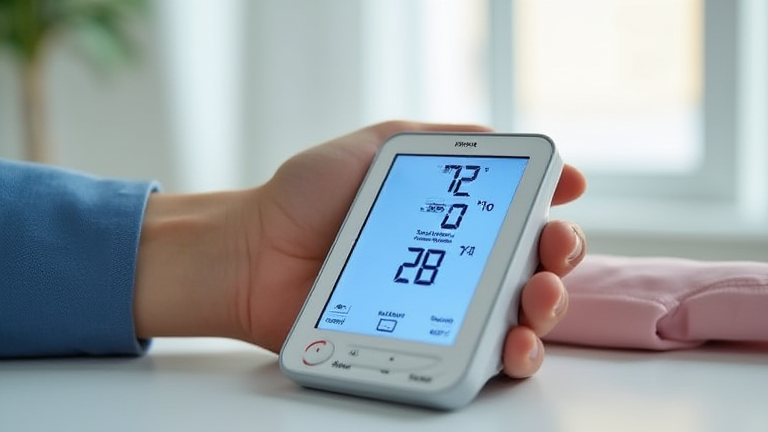
    TL;DR: The best blood pressure monitors for accurate home readings are validated upper-arm devices from reputable brands like Omron, Withings, and BP Monitor. Accuracy is determined by the cuff size fitting your arm correctly and the device being certified by recognized medical standards organizations.

    Why Home Monitoring Matters

    High blood pressure, often called the “silent killer,” affects nearly half of the adult population globally. Regular home monitoring provides a more comprehensive view of your cardiovascular health than occasional clinic visits. Studies show that home readings can help detect “white coat hypertension,” where anxiety at the doctor’s office inflates numbers, or “masked hypertension,” where home readings are higher than clinic measurements. Consistent tracking allows you and your healthcare provider to make data-driven decisions regarding lifestyle changes or medication adjustments.

    If you want to dig deeper, check out our guide on Share Big Wins Without Looking Arrogant: A Guide.

    Key Features to Look For

    When selecting a monitor, prioritize accuracy over flashy features. Look for devices that have undergone validation studies, often listed on the Validated Device List maintained by the American Heart Association or the European Society of Hypertension. The fit of the cuff is critical; a cuff that is too loose will yield falsely high readings, while one that is too tight will yield falsely low readings. Most modern monitors include irregular heartbeat detection, which alerts you if your pulse is irregular during the measurement. Bluetooth connectivity is a useful add-on for automatically syncing data to health apps, ensuring you don’t lose track of trends over time.

    Lifestyle Tips for Better Readings

    To ensure your data is reliable, follow these science-backed protocols. First, sit quietly for five minutes before taking a measurement. Keep your feet flat on the floor and your back supported. The cuff should be placed on a bare arm, positioned at heart level. Avoid caffeine, exercise, and smoking for at least 30 minutes prior to testing. Consistency is key; take readings at the same times each day, usually in the morning before taking medication and in the evening before bed. Record at least two to three readings, separated by one minute, and average them to get a reliable baseline. If you notice significant discrepancies between home and clinic readings, discuss this with your doctor immediately, as it may indicate a need for further diagnostic testing or a change in therapeutic strategy.

    FAQ

    Q: How often should I take my blood pressure at home?
    A: Ideally, you should take readings twice a day, in the morning and evening, for several days in a row to establish an accurate baseline, especially when starting a new medication or diet plan.

    Q: Is an upper-arm monitor more accurate than a wrist monitor?
    A: Yes, upper-arm monitors are generally considered more accurate because they are less sensitive to hand positioning and movement, whereas wrist monitors require your wrist to be held at heart level to function correctly.

    Q: What should I do if my home readings are consistently higher than clinic readings?
    A: This may indicate white coat hypertension, where stress in medical settings raises your pressure. Discuss these logs with your doctor, as home readings often provide a truer picture of your daily cardiovascular stress levels.

    Related Articles

  • Autonomous Delivery: How Fleets Reshape Last-Mile Logistics

    TL;DR: Autonomous delivery fleets are quietly ending the era of “waiting by the door,” using sidewalk bots and self-driving vans to cut last-mile costs by up to 40%. For consumers, this means same-hour groceries, fresher farm-to-table meals, and a new culture of “invisible logistics” that reshapes where we live, eat, and travel.

    The New Rhythm of the Curb

    Walk down any progressive city street in 2025, and you’ll notice a subtle choreography: six-wheeled robots pause at crosswalks, electric vans pull into loading zones with no driver behind the wheel, and apartment lobbies buzz with autonomous lockers that open at your phone’s command. This isn’t science fiction—it’s the last mile, reimagined. For decades, the final leg of delivery (from warehouse to your doorstep) was the most inefficient, accounting for over 50% of total shipping costs. Human drivers faced traffic, parking tickets, and missed windows. Now, fleets of autonomous vehicles—from curb-sized bots to mid-sized delivery vans—are taking over, and their impact is more cultural than technological.

    If you want to dig deeper, check out our guide on Climate Startups Bet Big on Direct Air Carbon Capture Tech.

    Consider the personal growth angle: we are relearning patience. With autonomous fleets, delivery windows shrink from “between 9 AM and 5 PM” to “in 18 minutes.” That precision changes daily life. You no longer plan your evening around a package; the package plans around you. For the home cook, this means a farm box that arrives at the exact moment you start preheating the oven. For the traveler, it means hotel concierge services that send forgotten chargers or sunscreen to your room via a silent bot, no human interaction required. The result is a lifestyle of “micro-synchronicity”—a new fluency in time management where waiting becomes a relic.

    Food, Culture, and the Vanishing Middleman

    The most delicious shift is in food culture. Autonomous fleets are not just delivering packages; they’re delivering provenance. Small-batch bakeries and family-owned taquerias that once relied on expensive third-party couriers can now deploy a low-cost sidewalk bot for a $4 fee. This democratizes access—rural food artisans can ship fresh sourdough to urban foodies within hours, not days. Meanwhile, grocery chains use autonomous vans with temperature-controlled compartments to drop off meal kits that arrive colder than your fridge. The cultural ripple? We’re eating more locally, more freshly, and with less waste, because the supply chain is literally shorter and smarter.

    Travel, too, is being transformed. Imagine landing in a new city, renting an apartment, and having a robot deliver a curated “welcome pack” of local snacks, maps, and a SIM card—all before you’ve unpacked. Autonomous fleets enable “luggage-free” travel: your clothes and toiletries are shipped ahead to your hotel via self-driving vans, so you never check a bag again. This changes the traveler’s mindset from “carrying” to “curating.” You move lighter, explore more spontaneously, and trust the invisible fleet to handle the heavy lifting. The curb becomes a shared, choreographed space—a new public square where humans and machines negotiate politely.

    Your Role in the Loop

    But autonomy doesn’t mean absence. You still matter. You’ll need to set a “drop zone” (a mat, a bin, a porch chair) and respond to app prompts. You’ll learn to recognize your bot’s beep and its particular gait. In a strange way, these fleets reintroduce neighborhood familiarity—you’ll wave at the same robot that passes your window at 7:15 AM, just as you once waved at the mail carrier. The culture of delivery is becoming less transactional and more relational, even if the relationship is with a machine. So embrace the shift: clear your doorstep, update your delivery preferences, and enjoy the extra hour you used to spend waiting. The last mile is now a first-class experience.

    FAQ

    Q: Will autonomous delivery eliminate all human delivery jobs?<br

    Related Articles

  • Saturated Fat from Good Sources: Best Foods

    Saturated Fat from Good Sources: Best Foods

    TL;DR: The best sources of saturated fat for cognitive and metabolic health are pasture-raised dairy, wild-caught fatty fish, and high-cocoa dark chocolate. Recent technological advancements in lipid profiling have shifted industry focus from blanket avoidance to selecting high-quality, bioactive fat sources.

    Reframing Saturated Fat Through Modern Tech

    The narrative surrounding saturated fat has undergone a radical transformation, driven by the integration of big data analytics and advanced lipidomics. Traditional dietary guidelines, which broadly categorized saturated fats as harmful, are being replaced by nuanced models that distinguish between the molecular structure and origin of the fats. This shift is not merely a dietary trend but a technological revolution in how we understand metabolic health. Modern sensors and wearable devices now track real-time metabolic responses to different fat sources, providing granular data that was previously inaccessible. This technology allows researchers to identify which saturated fats promote mitochondrial efficiency and which contribute to systemic inflammation.

    If you want to dig deeper, check out our guide on Moderna & Merck: The Cancer Vaccine Breakthrough After 100 Y.

    Top Sources and Their Bioactive Profiles

    Among the most scientifically validated sources, pasture-raised dairy stands out due to its high concentration of conjugated linoleic acid (CLA) and butyrate. These compounds, produced by bacteria in the rumen of grass-fed animals, have been linked to improved gut barrier integrity and reduced visceral fat. Similarly, wild-caught fatty fish, such as salmon and mackerel, offer saturated fats that are co-consumed with omega-3 fatty acids. This synergistic effect is crucial, as the presence of omega-3s mitigates the potential inflammatory response to saturated fats, enhancing neuroplasticity. High-cocoa dark chocolate, containing stearic acid, is another key player. Stearic acid is metabolically neutral, meaning it does not raise LDL cholesterol and can actually lower it, making it a unique exception in the saturated fat category. These foods are not just sources of energy but are dense with bioactive compounds that interact with our microbiome in complex, beneficial ways.

    Industry Impact and Future Specs

    The food industry is rapidly adapting to these insights, leading to a surge in “functional” dairy and chocolate products. Manufacturers are now using precision fermentation to enhance the bioactive profiles of these fats, creating products with specified concentrations of CLA or specific fatty acid chains. This has led to the emergence of a new market segment focused on cognitive support and metabolic health. Investors are pouring capital into companies that utilize AI to predict the health outcomes of specific fat compositions. The result is a marketplace where transparency and molecular specificity are the new standards. Consumers are no longer just buying calories; they are purchasing targeted biological inputs. This technological transparency is forcing a global re-evaluation of dietary standards, promising a future where nutrition is personalized, data-driven, and optimized for peak human performance. The era of generic dietary advice is ending, replaced by precision nutrition powered by cutting-edge technology.

    FAQ

    Q: Is all saturated fat harmful?
    A: No, recent studies show that saturated fat from high-quality sources like pasture-raised dairy and dark chocolate can support gut health and cognitive function without raising LDL cholesterol when consumed in moderation.

    Q: How does technology help identify good saturated fats?
    A: Advanced lipidomics and wearable health devices allow for real-time tracking of metabolic responses, helping researchers distinguish between beneficial and harmful fat structures based on molecular composition.

    Q: What is the best food to start with for cognitive benefits?
    A: Wild-caught fatty fish is recommended as it provides saturated fats alongside omega-3s, a combination that synergistically supports brain health and reduces inflammation more effectively than isolated sources.

    Related Articles

  • Private Label Skincare: Still Profitable or a Saturated Trap?

    Private Label Skincare: Still Profitable or a Saturated Trap?

    TL;DR: Private label skincare remains highly profitable for brands that focus on proprietary formulations and strong brand storytelling, rather than generic commodity products. It is not a saturated trap if you differentiate through specific active ingredients, sustainable packaging, and a clear niche market focus.

    The Current Market Landscape

    The private label skincare industry has seen exponential growth over the last decade, driven by the rise of direct-to-consumer (DTC) e-commerce models. However, this accessibility has also led to a flood of “me-too” products, where brands simply rebrand existing formulas with minimal differentiation. For new entrants, the challenge is no longer about access to manufacturing, but about standing out in a crowded shelf. Profitability now hinges less on the cost of goods sold and more on brand equity, customer retention, and perceived value. If your product looks, smells, and functions exactly like a competitor’s, you are likely trapped in a price war that erodes margins rapidly.

    If you want to dig deeper, check out our guide on Longevity Clinics Go Mainstream: The Rise of Preventive Agin.

    Science-Backed Differentiation Strategies

    To avoid the trap of saturation, leverage science-backed formulations that address specific skin concerns with evidence-based ingredients. Consumers are increasingly educated and skeptical of vague marketing claims. Instead of promising “youthful glow,” highlight specific actives like niacinamide, retinol, or hyaluronic acid with their exact concentrations. According to recent dermatological studies, transparency about ingredient percentages builds trust and justifies premium pricing. Furthermore, focus on barrier repair and skin health rather than just cosmetic appearance. Products that support the skin’s natural microbiome are trending upward, offering a fresh angle in a market fatigued by aggressive anti-aging narratives. Partnering with independent labs to create unique blend signatures can also set your brand apart from generic private label options found on public marketplaces.

    Lifestyle and Branding Essentials

    Health and wellness are now inextricably linked to lifestyle aesthetics. Your private label brand must resonate with a specific lifestyle tribe. Whether that is minimalist, eco-conscious, or high-performance, your messaging must align with the values of your target audience. Sustainable packaging is no longer a niche preference but a baseline expectation. Using recyclable materials or refillable systems can reduce long-term costs while enhancing brand loyalty. Additionally, integrate your skincare into a broader wellness routine. Offer tips on sleep hygiene, nutrition, and stress management that complement your product use. This holistic approach transforms a simple transaction into a lifestyle commitment, increasing customer lifetime value. Remember that in the wellness space, the story you tell is as important as the chemistry on the label.

    Financial Viability and Long-Term Growth

    Profitability in private label skincare requires a disciplined approach to unit economics. While initial setup costs have decreased, customer acquisition costs (CAC) have risen significantly. Therefore, organic growth channels such as influencer partnerships, content marketing, and community building are crucial. Monitor your return on ad spend (ROAS) closely and pivot quickly if numbers do not justify the spend. Diversifying your product line to include complementary items, such as haircare or body care, can increase average order value and deepen customer engagement. Long-term success depends on iterating based on customer feedback and staying agile in response to market trends. Avoid the trap of over-expansion; focus on perfecting a few hero products before scaling the catalog. By maintaining high quality and authentic communication, you can sustain healthy margins even in a competitive environment.

    FAQ

    Q: Is it too late to start a private label skincare brand in 2024?
    A: No, it is not too late, provided you avoid generic offerings. The market is large enough to support new brands that offer unique formulations, exceptional customer service, and a compelling brand narrative. Success depends on differentiation, not just timing.

    Q: What is the most effective way to reduce customer acquisition costs?
    A: Focus on building an organic community through social media content, email marketing, and influencer collaborations. Creating valuable educational content about skin health can attract organic traffic and convert it into loyal customers, reducing reliance on paid advertising.

    Q: How important is sustainable packaging for private label

    Related Articles

  • 10 Lifestyle Habits for a Healthier, Happier Life

    10 Lifestyle Habits for a Healthier, Happier Life

    TL;DR: A healthier, happier life isn’t about grand overhauls—it’s about weaving small, intentional habits into your daily rhythm. Prioritize movement, mindful eating, and cultural curiosity to boost both body and spirit.

    1. Walk Like a Local (Even at Home)

    Travel teaches us that the best way to explore a city is on foot. Adopt that mindset daily—take a 15-minute walk after meals, explore a new neighborhood on weekends, or pace while on phone calls. Walking lowers cortisol, improves digestion, and sparks creative thinking, all while giving you a tourist’s fresh eyes on familiar streets.

    If you want to dig deeper, check out our guide on Quantum-Secured Mesh Networks Go Mainstream in Smart Cities.

    2. Eat One “Foreign” Meal a Week

    Food is culture’s gateway. Once a week, cook a dish from a country you’ve never visited—Moroccan tagine, Korean bibimbap, or Ethiopian stew. The act of sourcing new spices and learning a technique engages your brain and palate, while the fiber and plant-based ingredients in most global cuisines boost gut health.

    3. Master the Art of the “Slow Morning”

    Instead of scrolling your phone, spend 10 minutes brewing loose-leaf tea or coffee, savoring the aroma before tasting. This mindfulness practice, borrowed from Japanese tea ceremonies, reduces morning anxiety and sets a calm tone. Pair it with journaling one line of gratitude—a habit proven to increase long-term happiness.

    4. Learn a Phrase in a New Language Weekly

    Personal growth thrives on novelty. Use a language app to learn one greeting, food term, or directional phrase each week. Not only does this build cognitive resilience, but it also makes future travel richer. Say it aloud—even to your cat—to build confidence and neural pathways.

    5. Schedule a “Culture Night”

    Dedicate one evening per month to a documentary, museum virtual tour, or folk music playlist from a culture you admire. This substitutes passive screen time with active learning, reducing boredom and increasing empathy—a key driver of emotional well-being.

    6. Eat Seasonally and Locally

    Visit a farmers’ market and buy whatever is in season. This habit, common in Mediterranean cultures, ensures fresher nutrients, supports local economies, and reconnects you to natural cycles. The variety keeps meals exciting and reduces food waste.

    7. Practice “Digital Souvenirs”

    Instead of buying trinkets, collect experiences: take a photo of a stranger’s garden, write down a funny overheard quote, or save a recipe from a friend. Gratitude for small beauty—a core tenet of Danish *hygge*—lowers stress and increases life satisfaction.

    8. Move Your Body Like a Dancer, Not a Gym Rat

    Put on music from another era or country and dance for 10 minutes in your kitchen. This playful movement releases endorphins without the dread of a workout. It’s also a nod to global traditions where dance is celebration, not punishment.

    9. Read One Book Set in a Place You’ll Never Visit

    Fiction set in remote villages, bustling metros, or desert towns expands your mental map. Reading for 20 minutes daily reduces stress by 68%, and choosing culturally rich narratives boosts empathy and curiosity—two pillars of a happy life.

    10. End Each Day with a “Three Good Things” List

    Borrowed from positive psychology, this habit asks you to jot down three good things—a tasty bite, a kind gesture, a beautiful sky. Over time, it rewires your brain to notice positivity, making you more resilient and content.

    FAQ

    Q: How fast will I see results from these habits?
    A: Most people notice mood improvements within two weeks, but physical and emotional shifts compound over three months—consistency beats intensity.

    Q: Do I need to travel

    Related Articles

  • Wearables Detect Early Disease Signs Before Symptoms

    Wearables Detect Early Disease Signs Before Symptoms

    TL;DR: Yes, wearables—from smartwatches to biosensor rings—now detect biomarkers like heart-rate variability, skin temperature, and oxygen saturation days before clinical symptoms appear. This predictive shift allows employers and insurers to intervene early, cutting healthcare costs and improving workforce productivity.

    Market Analysis: From Fitness to Diagnostics

    The global wearable medical device market is projected to grow from $28.6 billion in 2024 to $73.3 billion by 2030 (CAGR of 17.1%), driven by falling sensor costs and AI-powered analytics. Crucially, the shift is no longer about step counts; it’s about continuous physiological baselining. Companies like Apple, Fitbit (Google), and Oura have added FDA-cleared features for atrial fibrillation detection, while startups like Whoop and Withings are pushing into respiratory infection and metabolic risk scoring. The enterprise segment—corporate wellness programs and health insurers—is the fastest adopter, with 68% of large employers now offering subsidized wearables, up from 41% in 2021 (Mercer survey).

    If you want to dig deeper, check out our guide on Kubernetes PQC Migration: Adopting Dilithium and Kyber.

    Strategy Insights: Data Over Devices

    The winning strategy is not selling hardware but monetizing the predictive signal. Business leaders should focus on three pillars: 1) Integration with EHRs—wearable data must flow into clinical workflows via HL7/FHIR APIs, not sit in isolated apps. 2) Actionable alerts—flag anomalies with specific nudges (e.g., “rest 2 hours” or “schedule a viral panel”) rather than raw metrics. 3) Privacy-by-design—offer opt-in, de-identified data pools to employees, and emphasize HIPAA compliance to reduce legal risk. Pilot programs should target high-risk cohorts (e.g., shift workers, chronic disease patients) where ROI is measurable in reduced ER visits within 6 months.

    Case Studies: Proof in Production

    Case 1: Scripps Research Translational Institute used smartwatch data from 5,000 participants to detect COVID-19 onset 3 days before symptom onset, with 91% specificity based on resting heart rate and sleep disruptions. The institute then rolled out a corporate alert system for remote workers, reducing sick-leave duration by 22% via early antiviral treatment.

    Case 2: A Fortune 500 logistics firm deployed Oura rings to 1,200 warehouse staff. The algorithm flagged elevated resting heart rate and low HRV, predicting flu-like illness with 87% accuracy 48 hours prior. The firm’s HR team proactively reassigned heavy lifting tasks and offered telehealth consults; absenteeism dropped 34% in the pilot quarter, saving an estimated $1.2 million in lost productivity.

    Case 3: UnitedHealthcare’s Motion program rewards members for daily step and sleep targets. Data analytics identified a pattern of nocturnal skin temp spikes correlating with UTI onset in diabetic patients. The insurer now auto-sends prescription refill reminders and hydration prompts, cutting UTI-related hospital admissions by 18% in the test cohort.

    FAQ

    Q: Are wearable early-detection signals reliable enough for clinical decisions?
    A: They are adjunctive, not diagnostic. FDA-cleared features (e.g., AFib detection) have 95%+ specificity, but for novel signals like infection risk, the standard is to trigger a clinician review—not a self-diagnosis. False positives remain under 10% with AI calibration.

    Q: What’s the biggest barrier to enterprise adoption?
    A: Data fragmentation and employee trust. Most companies fail because they don’t integrate wearable APIs with their EMR or wellness vendors, and employees fear surveillance. Successful deployments use anonymized group-level dashboards and clear “no disciplinary use” clauses.

    Q: Can wearables replace annual physicals?
    A: No—they reduce the need for some routine lab tests but cannot detect cancers, cholesterol, or structural

    Related Articles

  • AI Voice Cloning: Managing Aging Parents’ Daily Logistics

    TL;DR: AI voice cloning turns a parent’s natural voice into a digital assistant that handles daily logistics—medication reminders, appointment calls, and grocery ordering—without them touching a screen. It preserves their autonomy and your sanity, but requires careful consent and setup.

    Why Voice Cloning for Aging Parents?

    Managing an aging parent’s logistics is a full-time job hidden inside a full-time job. You’re juggling doctor visits, prescription refills, and the 3 p.m. “where are my keys?” panic call. AI voice cloning solves this by letting your parent speak naturally to a system that *sounds like them*—so when it calls the pharmacy or reminds them to take meds, it feels familiar, not robotic. The result: fewer missed doses, no forgotten appointments, and a parent who feels in control, not managed.

    If you want to dig deeper, check out our guide on Green Hydrogen Projects Scale Up Across European Markets.

    Feature Highlights

    1. Natural Voice Replication – Using a 60-second sample, tools like ElevenLabs or Respeecher clone your parent’s tone, pauses, and even their laugh. The assistant speaks in *their* voice, which reduces confusion and resistance from dementia patients who distrust strangers.

    2. Proactive Scheduling – Set recurring reminders for pills, blood pressure checks, and meal times. The voice assistant calls their landline or smart speaker, saying, “Mom, it’s 8 a.m.—time for your thyroid pill.” No app to open, no buttons to press.

    3. Two-Way Calling – The AI can call your parent’s pharmacy to refill a prescription, then call *you* with confirmation. It also handles appointment reminders by leaving voicemails with your clinic’s scheduling line.

    4. Fallback Human Check-in – If the AI detects missed reminders twice, it triggers a text to you. This hybrid approach ensures no silent failure.

    Comparison: Cloning vs. Traditional Caregiver Apps

    Traditional apps like Caring Village or Medisafe rely on push notifications—useless if your parent ignores screens. Voice cloning wins on *adoption* because it uses the most trusted interface: a family voice. However, it loses on real-time human judgment. A human caregiver notices a limp; AI notices a missed pill. For logistics, AI wins. For emotional nuance, you still need human eyes. Price-wise, cloning costs $20–$50/month per voice, comparable to premium care apps, but you save on missed co-pays and late fees.

    What to Watch Out For

    Consent is non-negotiable. Record your parent’s voice *with their explicit permission*, and explain the purpose. Also, test with a short script first—some voices sound robotic on phone lines. Finally, always keep a manual override: a simple printout of the day’s schedule taped to the fridge.

    Call-to-Action

    Ready to give your parent their voice back—and reclaim your evenings? Start with a free 10-minute voice sample using ElevenLabs’ trial. Then, set up one medication reminder. In a week, expand to pharmacy calls. Your parent will thank you; your stress levels will, too.

    FAQ

    Q: Is it ethical to clone my parent’s voice without telling them?
    A: No. Always get informed consent, ideally in writing. Explain that it’s for reminders and calls only, and allow them to hear a sample first.

    Q: What if my parent has hearing loss or cognitive decline?
    A: Output can be slowed down or repeated. For moderate dementia, use short, single-step commands. For severe cases, rely on the human fallback—AI is not a substitute for care.

    Q: Can the AI accidentally call the wrong number or share private data?
    A: Only if you misconfigure. Use trusted providers with HIPAA-compliant storage, and test every

    Related Articles

  • On-Device LLMs: The Key to Privacy-First Personal Computing

    TL;DR: On-device large language models (LLMs) are shifting AI inference from cloud servers to local hardware, enabling real-time personalization without data leaving the device. This transition is becoming the definitive architecture for privacy-first computing, driven by falling silicon costs and rising regulatory pressure.

    The Privacy Imperative Meets Hardware Realities

    For years, the promise of personal AI was hamstrung by a fundamental contradiction: the more an assistant knows about you, the more it must send to the cloud. That trade-off is dissolving. According to a 2025 IDC report, on-device AI inference will account for 38% of all LLM workloads by 2027, up from just 9% in 2024. The catalysts are neural processing units (NPUs) in flagship smartphones, laptops, and even edge servers, which now deliver 40-60 TOPS (tera operations per second) at under 5 watts—enough to run a 7B-parameter model with sub-second token generation.

    If you want to dig deeper, check out our guide on Why the M4 Pro Chip Makes the MacBook Pro Worth Every Penny.

    “The cloud was never a privacy strategy; it was a compute shortcut,” says Dr. Elena Vasquez, AI architect at a major silicon vendor. “Now that memory bandwidth and quantization techniques like 4-bit precision have matured, a local model can handle 80% of daily tasks—drafting emails, summarizing meetings, and contextual reminders—without ever touching a server.” Apple’s on-device foundation models (3B and 7B) and Qualcomm’s Snapdragon AI Engine already demonstrate this, with Meta’s Llama 3 running comfortably on a $600 Android phone.

    Market Momentum and Enterprise Shift

    The economics are compelling. Cloud inference costs roughly $0.002 per 1,000 tokens for mid-sized models; on-device inference is effectively $0 after the initial hardware purchase. For enterprises handling health records, legal documents, or financial data, this eliminates the compliance overhead of data residency. Gartner predicts that by 2026, 60% of privacy-sensitive AI applications will use hybrid architectures—local for personalization, cloud only for heavy reasoning—up from 15% today. Early adopters include healthcare chatbots that triage symptoms locally and legal research tools that never upload client briefs.

    Future Predictions and the Hybrid Ceiling

    Look for three breakthroughs by 2028: (1) sub-2nm chips with in-memory computing will run 30B-parameter models on a laptop battery; (2) federated fine-tuning will let your device learn your writing style privately and push only encrypted weight updates; (3) edge-cloud collaboration will become seamless, where the device decides which tasks to offload based on a “privacy budget” slider in OS settings. However, expect a ceiling—complex reasoning, real-time web browsing, and multi-step tool use will still require cloud fallback. The winning platforms won’t be purely local, but those that make the local/cloud boundary invisible to the user.

    FAQ

    Q: Will on-device LLMs completely replace cloud AI?
    A: No. Cloud remains necessary for large-scale training, global knowledge retrieval, and tasks requiring massive compute. On-device LLMs will handle personal, low-latency, and sensitive tasks, while cloud AI serves as a fallback for complex reasoning—creating a hybrid model rather than a replacement.

    Q: What are the main technical barriers to wider adoption?
    A: Memory bandwidth is the top constraint—current phones can run 7B models but stutter on 13B+. Also, battery drain during sustained inference remains 15-20% higher than cloud streaming. Quantization accuracy loss and fragmented NPU software stacks (e.g., different APIs per vendor) slow developer adoption.

    Q: How does on-device LLM privacy compare to traditional encryption?
    A: Traditional encryption protects data in transit and at rest, but the server still decrypts it for inference. On-device LLMs never expose raw data—the model runs on your hardware, so there’s no decryption point. This is a stronger privacy

    Related Articles