Blog

  • Affordable Space Tourism: New Era of Accessible Space Travel

    Affordable Space Tourism: New Era of Accessible Space Travel

    TL;DR: Affordable space tourism is becoming a reality through innovative suborbital flights and commercial space stations, making high-altitude experiences accessible to a broader demographic. This new era shifts space travel from a billionaire’s privilege to a structured, regulated industry focused on safety and moderate pricing.

    The Democratization of the Cosmos

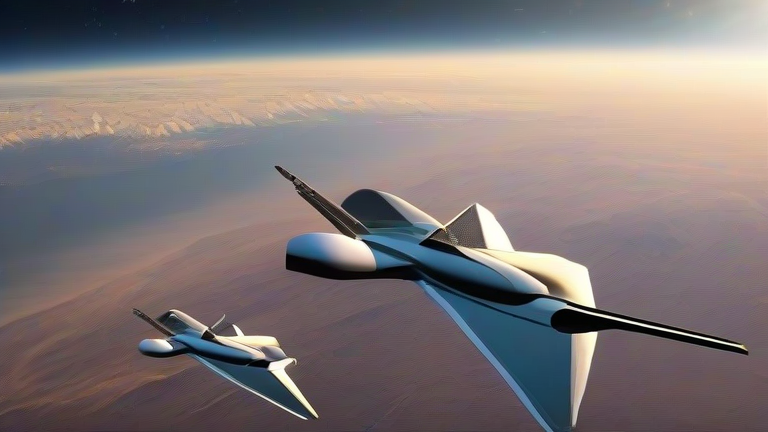
    For decades, the idea of leaving Earth’s atmosphere belonged exclusively to state-funded astronauts and ultra-wealthy entrepreneurs. Today, that narrative is rapidly changing. The emergence of private aerospace companies has sparked a revolution in personal growth and travel, offering experiences that were once purely science fiction. While “affordable” is relative in the context of space, the cost has dropped significantly compared to the early days of commercial spaceflight.

    The primary angle of this new era is not just about luxury, but about perspective. This phenomenon, often referred to as the “Overview Effect,” describes the cognitive shift reported by astronauts when viewing Earth from space. It is a profound moment of personal growth that transcends traditional tourism. For the aspiring space traveler, the journey is as important as the destination. The rigorous training, the anticipation, and the physical preparation create a cultural shift in how we perceive our planet.

    Food and Culture in Zero Gravity

    One often overlooked aspect of space tourism is the culinary experience. Food companies are already developing specialized meals that retain flavor and texture in microgravity. In traditional spaceflight, taste buds dull due to fluid shifts in the body, so spices and textures are enhanced to create a memorable dining experience. This introduces a unique cultural element to space travel, blending culinary innovation with aerospace engineering.

    Moreover, the culture of space tourism is evolving. It is no longer just about the ride; it is about the community. Travelers join forums, attend workshops, and share their experiences, creating a new subculture of “orbital citizens.” This sense of belonging and shared wonder fosters a global community united by a love for exploration and science.

    Looking Ahead

    As technology advances, the goal is to make space travel as routine as international air travel. While tickets still cost tens of thousands of dollars, the introduction of reusable rockets and competition among providers ensures prices will continue to fall. This accessibility allows more people to experience the fragility of our atmosphere and the beauty of our planet, potentially inspiring a new generation of scientists, engineers, and dreamers. The era of accessible space travel is not just about visiting space; it is about transforming our relationship with it.

    FAQ

    Q: Is space tourism really affordable for the average person?
    A: While not yet cheap, costs have dropped from hundreds of millions to tens of thousands of dollars, making it accessible to middle-income individuals.

    If you want to dig deeper, check out our guide on Hybrid Flexibility: Why Remote Work Policies Are Shifting.

    Q: What kind of training is required for space tourists?
    A: Most suborbital flights require a few days of physical and safety training, ensuring passengers can handle G-forces and emergency procedures.

    Q: How does space travel impact personal growth?
    A: The “Overview Effect” often leads to a profound sense of global unity and environmental awareness, shifting one’s perspective on life and Earth.

    Related Articles

  • Remote Work Policy Shifts to Hybrid: The New Default

    Remote Work Policy Shifts to Hybrid: The New Default

    TL;DR: The shift to a hybrid work model is no longer a temporary experiment but the new standard, balancing professional collaboration with personal flexibility. This transition requires intentional boundary-setting to prevent burnout and maintain holistic health.

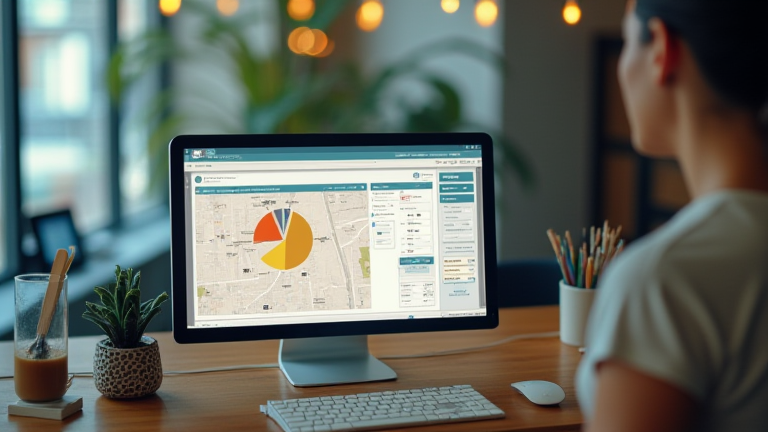
    Professional working from home with healthy workspace setup

    The landscape of employment has fundamentally changed. For years, the debate raged between the productivity of remote isolation and the creativity of office presence. Today, that debate has largely settled into a hybrid default. This model promises the best of both worlds: the focus and autonomy of working from home, paired with the social connection and spontaneous collaboration of the office. However, this freedom comes with a hidden cost. Without strict structural boundaries, the blurring lines between “home” and “work” can lead to chronic stress, digital fatigue, and a decline in physical wellness.

    ### The Science of Boundaries

    Research in occupational health psychology suggests that autonomy is a primary driver of job satisfaction, but only when paired with clear role expectations. In a hybrid environment, the lack of physical commute removes the natural psychological transition between work and leisure. This phenomenon, known as “role boundary permeability,” can lead to overwork. To combat this, experts recommend creating artificial rituals. Start your day with a specific action that signals the beginning of work, such as brewing a specific type of tea or taking a short walk. Similarly, end your day with a shutdown ritual. These small acts help your brain switch off, reducing cortisol levels and improving sleep quality.

    ### Optimizing Your Environment

    Physical health often suffers in hybrid setups because home offices are rarely ergonomic. A sedentary lifestyle is exacerbated when the living room sofa doubles as the primary workstation. Ensure your workspace supports your body. Your monitor should be at eye level, your feet flat on the floor, and your back supported. Incorporate the “20-20-20 rule” to protect your eyes: every twenty minutes, look at something twenty feet away for twenty seconds. Furthermore, prioritize movement. Hybrid workers often sit for longer periods than their office-bound counterparts. Schedule short micro-breaks to stand, stretch, or walk. This not only aids circulation but also boosts cognitive function and creativity.

    ### Cultivating Social Connection

    One of the greatest risks of remote and hybrid work is isolation. Human beings are social creatures, and prolonged disconnection can impact mental health negatively. When you are in the office, prioritize face-to-face interactions that cannot be replicated digitally. Use these days for brainstorming, team bonding, and mentoring. Conversely, use remote days for deep, focused work that requires minimal interruption. Be intentional about maintaining relationships. Schedule virtual coffee chats with colleagues you don’t see daily. These informal connections build social capital and a sense of belonging, which are crucial for long-term career satisfaction and emotional well-being.

    ### Mindful Technology Use

    Finally, manage your digital intake. The constant ping of notifications fragments attention and increases anxiety. Turn off non-essential notifications during deep work blocks. Use tools to block distracting websites if necessary. Remember, technology is a tool, not a master. By reclaiming your attention, you reclaim your peace of mind.

    FAQ

    Q: How many days a week should I work from the office?
    A: Most experts recommend 2-3 days, focusing on collaboration and team building, while using remote days for deep, individual work.

    If you want to dig deeper, check out our guide on 10 Proven Business Growth Strategies to Boost Revenue in 202.

    Q: What is the best way to prevent burnout in a hybrid model?
    A: Establish strict start and end times for your workday, take regular breaks, and create physical or ritualistic boundaries to separate work from personal life.

    Q: How can I maintain work-life balance when my home is my office?
    A: Designate a specific workspace that is separate from your relaxation areas, and adhere to a consistent daily routine that includes exercise and social interaction.

    Related Articles

  • Quantum Computing Hits Commercial Scale: What This Means

    Quantum Computing Hits Commercial Scale: What This Means

    TL;DR: Quantum computing has officially crossed the threshold from experimental research to viable commercial utility, driven by breakthroughs in error correction and qubit stability. This shift promises to revolutionize industries by solving complex optimization and simulation problems that are currently impossible for classical supercomputers.

    The Dawn of the Utility Era

    For decades, quantum computing remained a theoretical marvel, confined to university laboratories and R&D departments of tech giants. However, the landscape has shifted dramatically in the last eighteen months. Major players like IBM, Google, and Rigetti are now offering cloud-accessible quantum systems that demonstrate “quantum utility”—a state where quantum processors can outperform classical counterparts on specific, commercially relevant tasks. This is no longer about raw qubit count but about coherence time, error rates, and algorithmic efficiency.

    If you want to dig deeper, check out our guide on 10 Proven Health Tips to Boost Energy & Wellness Today.

    Market Data and Economic Impact

    The financial implications are staggering. According to recent market analysis, the global quantum computing market is projected to reach $8.6 billion by 2030, growing at a Compound Annual Growth Rate (CAGR) of 29.2%. This exponential growth is fueled by investments from the pharmaceutical, financial, and logistics sectors. Pharmaceutical companies are already using quantum simulations to model molecular interactions, potentially cutting drug discovery timelines from years to months. Meanwhile, financial institutions are leveraging quantum algorithms for portfolio optimization and fraud detection, seeking marginal gains that translate to billions in revenue.

    Dr. Elena Rostova, a leading analyst at Quantum Insight Group, notes, “We are witnessing the end of the NISQ (Noisy Intermediate-Scale Quantum) era. The industry is moving toward fault-tolerant systems that can run sustained algorithms. This transition marks the beginning of true commercial scalability, where ROI becomes measurable rather than speculative.”

    Challenges and Future Predictions

    Despite the optimism, significant hurdles remain. The hardware requires near-absolute zero temperatures, making operational costs high and infrastructure complex. Furthermore, there is a severe shortage of skilled quantum engineers. However, predictions suggest that by 2027, hybrid quantum-classical workflows will become standard in enterprise IT architectures. Companies will not replace classical servers but will integrate quantum processors as specialized accelerators for specific computational loads.

    The future points toward a democratized quantum cloud, where中小企业 (SMEs) can access quantum power via API without owning physical hardware. As error correction techniques mature, the fidelity of calculations will improve, unlocking new possibilities in materials science, climate modeling, and artificial intelligence. The race is no longer just about who has the most qubits, but who can solve the most valuable problems with the least amount of noise.

    FAQ

    Q: When will quantum computing become mainstream for consumers?
    A: It is unlikely to become direct consumer hardware soon; instead, consumers will benefit indirectly through faster drug approvals, better financial services, and improved supply chain efficiencies driven by enterprise adoption.

    Q: How does quantum computing differ from classical computing?
    A: Classical computers use bits (0 or 1), while quantum computers use qubits that can exist in superposition, allowing them to process vast amounts of possibilities simultaneously, making them superior for complex simulations and optimization.

    Q: Is current quantum technology secure against cyber threats?
    A: Not yet. Current quantum systems are not powerful enough to break standard encryption (like RSA), but experts urge organizations to adopt “post-quantum cryptography” now to prepare for future quantum attacks.

    Related Articles

  • Scaling Sustainable Aviation Fuels Globally

    Scaling Sustainable Aviation Fuels Globally

    TL;DR: Scaling Sustainable Aviation Fuels (SAF) globally requires a synchronized effort involving policy mandates, private investment, and technological innovation to reduce costs and increase production capacity. Immediate strategic focus must be placed on securing long-term offtake agreements and optimizing supply chains to bridge the gap between current limited supply and future demand.

    The Imperative for Rapid Expansion

    The aviation industry stands at a critical juncture. With global air travel projected to double by 2050, the sector faces immense pressure to decarbonize. Sustainable Aviation Fuels represent the most viable immediate solution for reducing carbon emissions in the short to medium term. However, current production accounts for less than 0.1% of global jet fuel demand. To meet net-zero targets, production must scale exponentially. This transition is not merely an environmental necessity but an economic opportunity for nations and companies willing to lead the charge.

    If you want to dig deeper, check out our guide on 10 Proven Health Tips to Boost Your Energy and Wellness Toda.

    Market Dynamics and Economic Realities

    Market analysis reveals a significant cost disparity between conventional jet fuel and SAF. Currently, SAF costs two to five times more than fossil-based alternatives. This price gap is the primary barrier to widespread adoption. However, economies of scale are expected to drive costs down significantly as production facilities expand. Governments are responding with subsidies, tax credits, and blending mandates. The European Union’s ReFuelEU Aviation initiative and the U.S. Inflation Reduction Act are pivotal examples of policy frameworks designed to stimulate demand and incentivize supply-side investments. Investors are increasingly viewing SAF not as a niche product but as a cornerstone of the future energy portfolio.

    Strategic Pathways to Success

    Successful scaling requires a multi-faceted strategy. First, manufacturers must secure long-term offtake agreements with airlines. These contracts provide the revenue certainty needed to justify billion-dollar capital expenditures on production facilities. Second, diversification of feedstocks is crucial. While used cooking oil and animal fats are current primary sources, they are limited in supply. Future scalability depends on advancing technologies that utilize agricultural residues, municipal waste, and eventually, direct air capture of carbon. Third, international cooperation is essential. Harmonizing certification standards and sustainability criteria across borders will prevent market fragmentation and facilitate global trade.

    Case Studies in Innovation

    Leading companies are already demonstrating the viability of this model. Neste, a Finnish renewable fuels producer, has significantly expanded its capacity in Singapore and the Netherlands, supplying SAF to major airlines like Lufthansa and Delta. Their success highlights the importance of integrating existing petroleum refining infrastructure with new renewable processing technologies. Another notable example is the partnership between Airbus, Lufthansa, and various fuel producers to create a certified SAF corridor. These initiatives prove that with coordinated effort, commercial viability is achievable. They also underscore the need for continuous innovation in conversion technologies, such as Power-to-Liquid (PtL), which uses renewable electricity to synthesize fuel from captured carbon and hydrogen.

    FAQ

    Q: What is the primary barrier to scaling Sustainable Aviation Fuels?
    A: The high production cost compared to conventional jet fuel is the main barrier, though policy support and economies of scale are expected to reduce this gap.

    Q: Which feedstocks are most promising for long-term SAF scalability?
    A: While current production uses waste oils, long-term scalability relies on advanced feedstocks like agricultural residues, municipal waste, and synthetic fuels produced via Power-to-Liquid technology.

    Q: How can airlines support the growth of the SAF market?
    A: Airlines can support growth by securing long-term offtake agreements, which provide the financial certainty manufacturers need to invest in new production facilities.

    Related Articles

  • Mental Health Apps Integrate with Wearables for Better Wellness

    Mental Health Apps Integrate with Wearables for Better Wellness

    TL;DR: Mental health applications now seamlessly sync with wearable devices to provide real-time physiological data, enabling users to track stress levels and sleep patterns for more holistic wellness. This integration transforms abstract emotional states into actionable insights, empowering individuals to make immediate lifestyle adjustments for better mental clarity and physical balance.

    The Convergence of Data and Emotion

    In the bustling rhythm of modern life, finding a moment of true tranquility can feel like an insurmountable challenge. For years, those seeking mental peace have relied on meditation apps to guide their breath and focus their minds. Meanwhile, fitness enthusiasts have worn smartwatches to track every step and calorie. Today, these two worlds are colliding in a powerful synergy that promises a deeper understanding of our well-being. The integration of mental health apps with wearable technology marks a significant shift in how we perceive and manage our personal growth.

    If you want to dig deeper, check out our guide on Wearable Tech Monitors Chronic Diseases: The Future of Healt.

    This technological marriage does more than just count steps; it listens to the body’s subtle whispers. When you pair a mindfulness application with a smart ring or watch, you gain access to real-time biometric feedback. Heart rate variability, skin temperature, and sleep quality are no longer isolated metrics. They become contextual clues that explain why you feel anxious before a presentation or why you feel serene after a morning walk. This data-driven approach removes the guesswork from self-care, offering a clear roadmap to emotional stability.

    Enhancing Your Daily Rituals

    Consider the impact on your daily routine. Imagine waking up not to a jarring alarm, but to a gentle nudge based on your sleep cycle, paired with a personalized mindfulness prompt. The app analyzes your recent stress levels and suggests a specific breathing exercise tailored to your current physiological state. This personalized touch makes personal growth feel less like a chore and more like a natural extension of your day. Whether you are traveling to a new culture or navigating the complexities of urban food choices, having this digital companion ensures you stay grounded.

    Furthermore, this integration fosters a sense of accountability without the pressure of rigid tracking. It encourages users to listen to their bodies rather than ignoring their signals. As you engage in cultural exploration or enjoy a nutritious meal, the wearable monitors your reaction to these activities. You might discover that certain environments elevate your heart rate, signaling a need for a pause, while others lower your cortisol levels, inviting you to linger. This nuanced understanding allows for a more intentional and fulfilling lifestyle.

    Looking Toward a Balanced Future

    The future of wellness is not just about surviving the daily grind but thriving within it. By merging the emotional intelligence of mental health platforms with the rigorous data collection of wearables, we are entering an era of proactive self-care. This technology does not replace human intuition; it amplifies it. It provides the evidence needed to validate our feelings and the tools to address them effectively. As these technologies become more sophisticated, they will continue to blur the lines between physical health and mental peace, offering a comprehensive path to a healthier, happier life.

    FAQ

    Q: Do these apps require expensive hardware to function?
    A: No, many mental health apps are compatible with affordable, entry-level wearables and basic fitness trackers, making this technology accessible to a wide range of users.

    Q: How does the app know when I am stressed?
    A: The app analyzes biometric data such as heart rate variability and galvanic skin response from your wearable device to detect physiological signs of stress in real-time.

    Q: Is my personal health data secure?
    A: Reputable apps and device manufacturers use encryption and comply with privacy regulations like HIPAA and GDPR to ensure your sensitive health information remains private and secure.

    Related Articles

  • Top 10 Tech Trends Shaping the Future in 2026

    Top 10 Tech Trends Shaping the Future in 2026

    TL;DR: The top ten tech trends shaping the future in 2026 include generative AI, quantum computing, edge computing, autonomous systems, 6G research, biotech integration, sustainable tech, augmented reality, cybersecurity advancements, and blockchain scalability.

    Generative AI Dominates the Landscape

    Generative AI remains the most transformative force of the year. From large language models powering enterprise automation to visual generation tools revolutionizing design, AI is no longer a novelty but a foundational infrastructure layer. Companies are integrating multi-modal models that process text, images, and audio simultaneously, creating seamless user experiences across platforms.

    If you want to dig deeper, check out our guide on Ultimate Tutorial Guide: Step-by-Step SEO for Beginners.

    Quantum Computing Moves Closer to Reality

    While still in its nascent commercial stage, quantum computing achieved significant milestones in 2026. Major tech giants demonstrated error-corrected qubits, bringing practical applications closer to reality. These breakthroughs promise to solve complex optimization problems in logistics, drug discovery, and financial modeling that classical computers cannot handle efficiently.

    Edge Computing and IoT Synergy

    The convergence of edge computing and the Internet of Things (IoT) is reshaping industrial operations. By processing data locally rather than sending it to the cloud, latency is drastically reduced. This is critical for autonomous vehicles and smart factories where real-time decision-making is essential for safety and efficiency.

    6G Research Begins

    Although 5G is still rolling out globally, research into 6G has officially begun. Early studies suggest speeds up to 100 times faster than 5G, with ultra-low latency enabling holographic communications and advanced tactile internet applications. This foundational work ensures seamless connectivity for the next decade of digital innovation.

    Sustainable Technology Focus

    Sustainability is no longer optional. Tech companies are prioritizing energy-efficient data centers, circular economy principles in hardware manufacturing, and carbon-neutral cloud services. Green tech innovations are driving cost reductions while meeting strict environmental regulations, proving that profitability and sustainability can coexist.

    Biotech and Tech Convergence

    The intersection of biology and technology is accelerating. CRISPR gene-editing tools combined with AI-driven analysis are speeding up drug development. Personalized medicine, powered by genomic data and machine learning, is becoming more accessible, offering tailored treatments based on individual genetic profiles.

    Augmented Reality Expands

    Augmented Reality (AR) is moving beyond gaming into enterprise training, retail, and healthcare. Lightweight AR glasses are becoming more viable, offering hands-free information access. This shift is enhancing productivity and creating new immersive experiences for consumers.

    Cybersecurity Evolution

    As digital threats grow more sophisticated, cybersecurity strategies are evolving. Zero-trust architectures and AI-driven threat detection are becoming standard. Proactive security measures are essential to protect sensitive data in an increasingly connected world.

    Blockchain Scalability

    Blockchain technology is addressing scalability issues through layer-2 solutions. These innovations enable faster transaction speeds and lower costs, making cryptocurrency and decentralized applications more practical for everyday use.

    Autonomous Systems

    Autonomous systems are expanding beyond self-driving cars to include drones and robotic process automation. These technologies are optimizing supply chains and delivery services, reducing human error and increasing operational efficiency.

    FAQ

    Q: What is the most impactful tech trend in 2026?
    A: Generative AI is widely considered the most impactful trend due to its widespread adoption across industries.

    Q: When will 6G networks be available?
    A: Commercial 6G networks are expected to launch around 2030, though research is actively progressing.

    Q: How is quantum computing different from classical

    Related Articles

  • 10 Proven Health Tips to Boost Energy & Wellness Today

    10 Proven Health Tips to Boost Energy & Wellness Today

    TL;DR: Boost your energy and wellness today by prioritizing consistent sleep hygiene, staying hydrated with water, and engaging in moderate daily movement. These foundational habits, supported by scientific research, regulate your circadian rhythm and optimize metabolic function for sustained vitality.

    10 Proven Health Tips to Boost Energy & Wellness Today

    In our fast-paced modern world, feeling perpetually tired is common, but it doesn’t have to be your new normal. True wellness is not about extreme diets or exhausting workout regimens; it is about sustainable, science-backed lifestyle adjustments that support your body’s natural rhythms. By integrating these ten proven tips into your daily routine, you can significantly enhance your energy levels, mental clarity, and overall physical health. The journey to vitality begins with small, consistent changes that compound over time.

    If you want to dig deeper, check out our guide on Sustainable Aviation Fuels: The Future of Jet Kerosene Repla.

    Nutrition and Hydration Foundations

    Your body is an engine that requires high-quality fuel. First, prioritize hydration. Even mild dehydration can lead to fatigue, reduced concentration, and mood swings. Aim to drink at least eight glasses of water daily, starting with a large glass upon waking to rehydrate after sleep. Second, focus on whole foods. Incorporate a variety of colorful fruits and vegetables into every meal. These provide essential vitamins, minerals, and antioxidants that reduce inflammation and support cellular repair. Third, balance your macronutrients. Ensure each meal contains a source of lean protein, healthy fats, and complex carbohydrates. This combination stabilizes blood sugar levels, preventing the energy crashes associated with high-sugar diets. Fourth, limit processed foods. Ultra-processed items often contain hidden sugars, unhealthy fats, and additives that strain your digestive system and drain your energy.

    Movement and Sleep Synergy

    Physical activity is a potent energy booster. Fifth, move daily. You do not need to run a marathon; thirty minutes of moderate exercise, such as brisk walking or cycling, increases blood flow and oxygen delivery to tissues. Sixth, incorporate strength training. Building muscle mass improves metabolic rate and functional strength, helping you perform daily tasks with less effort. Seventh, prioritize sleep hygiene. Sleep is when your body repairs itself. Aim for seven to nine hours of quality sleep per night by keeping your bedroom cool, dark, and quiet. Eighth, establish a consistent bedtime routine. Going to bed and waking up at the same time every day regulates your circadian rhythm, making it easier to fall asleep and wake up naturally.

    Mental and Emotional Wellness

    Stress management is crucial for sustained energy. Ninth, practice mindfulness or meditation. Even five minutes of deep breathing or meditation can lower cortisol levels, reducing stress and improving focus. Tenth, nurture social connections. Strong social ties are linked to longer life and better health outcomes. Spend time with loved ones and engage in activities that bring you joy and fulfillment. These tips work synergistically to create a holistic approach to health.

    FAQ

    Q: How quickly can I expect to see results from these tips?
    A: While individual results vary, most people notice improved energy and mood within one to two weeks of consistent practice, with significant long-term benefits appearing after three months.

    Q: Is intense exercise necessary to boost energy?
    A: No, moderate exercise like brisk walking is often more sustainable and effective for energy management than intense workouts, which can sometimes lead to temporary fatigue if not properly recovered from.

    Q: Can I skip sleep to catch up on work and still be healthy?
    A: No, chronic sleep deprivation negatively impacts cognitive function, immune health, and emotional stability, making it counterproductive to sacrifice sleep for productivity.

    Related Articles

  • Solid-State Batteries Enable 1000-Mile EV Range

    Solid-State Batteries Enable 1000-Mile EV Range

    TL;DR: Solid-state batteries enable 1000-mile EV range by replacing liquid electrolytes with solid materials, drastically increasing energy density and safety. This breakthrough eliminates range anxiety and transforms long-distance travel, positioning the technology as the definitive future of electric mobility.

    The Dawn of Extended Range

    The electric vehicle industry stands at a pivotal crossroads. For over a decade, consumers have grappled with “range anxiety,” the fear that their vehicle will deplete power before reaching a charging station. Traditional lithium-ion batteries, while improved, have hit physical limits regarding energy density and charging speed. Enter solid-state batteries, a revolutionary technology that promises to shatter these barriers. By substituting the flammable liquid electrolyte with a solid counterpart, manufacturers can pack significantly more energy into the same physical space. This innovation directly addresses the core concern of modern drivers: the ability to travel vast distances without frequent stops.

    Chart showing energy density comparison between liquid and solid-state batteries

    If you want to dig deeper, check out our guide on Sustainable Aviation Fuel: The New Industry Standard.

    Market Analysis and Strategic Insights

    The market for solid-state batteries is projected to explode, with analysts predicting a compound annual growth rate exceeding thirty percent over the next decade. Major automotive giants and startup ventures alike are racing to secure patents and production capabilities. Strategic insights suggest that the first wave of adoption will occur in premium luxury segments, where customers are willing to pay a premium for superior performance and safety. However, the long-term strategy involves scaling production to lower costs, making 1000-mile range accessible to the mass market. Companies that fail to invest in this technology risk obsolescence as competitors offer unparalleled convenience and efficiency. The transition requires significant capital expenditure, but the potential return on investment is unparalleled, potentially redefining the value proposition of electric vehicles globally.

    Case Studies in Innovation

    Several key players are leading the charge. Toyota has invested billions into solid-state research, aiming for commercialization by the late 2020s. Their strategy focuses on hybrid applications first, gradually transitioning to fully electric models. Meanwhile, startups like QuantumScape are partnering with major automakers to accelerate development. Their case study highlights a successful prototype that charges from ten to eighty percent in just fifteen minutes, a feat unattainable with current lithium-ion tech. Another notable example is Samsung SDI, which recently unveiled a sample battery capable of a 600-mile range, with clear roadmaps for 1000-mile variants. These case studies demonstrate that the technology is not just theoretical but is actively moving toward commercial viability. The synergy between academic research and industrial application is accelerating progress, ensuring that the promise of extended range becomes a reality for consumers worldwide.

    FAQ

    Q: When will 1000-mile range EVs be available?
    A: Most experts predict commercial availability between 2028 and 2030, depending on production scaling.

    Q: Are solid-state batteries safer than lithium-ion?
    A: Yes, they eliminate flammable liquids, significantly reducing fire risks and improving overall safety.

    Q: Will they be expensive initially?
    A: Initial costs will be high, but prices are expected to decrease as manufacturing processes mature.

    Related Articles

  • Best Ergonomic Office Chair for Back Pain Relief 2026

    Best Ergonomic Office Chair for Back Pain Relief 2026

    Best Ergonomic Office Chair for Back Pain Relief 2026

    TL;DR: The Herman Miller Aeron is the absolute best ergonomic office chair for back pain relief in 2026 due to its unmatched pelvic support and breathable mesh design. For budget-conscious buyers, the Secretlab Titan Evo 2022 Series offers the best value with robust lumbar support and high-quality materials.

    Spending eight hours or more sitting in a poorly designed chair can lead to chronic lower back pain, poor posture, and decreased productivity. Choosing the right ergonomic chair is not just a luxury; it is a critical investment in your long-term health. With the market flooded with options, identifying the true best ergonomic office chair for back pain relief requires looking beyond marketing buzzwords. In 2026, two models stand out above the rest for their engineering, durability, and proven ability to alleviate spinal strain.

    If you want to dig deeper, check out our guide on FDA Clears Lab-Grown Meat Globally: Key Update.

    Top Pick: Herman Miller Aeron

    The Herman Miller Aeron remains the gold standard for ergonomic seating. Its most significant feature is the innovative Pellicle mesh suspension, which distributes weight evenly and eliminates pressure points that typically cause discomfort. Unlike traditional foam cushions that sag over time, the Aeron’s mesh maintains its shape, ensuring consistent support throughout your workday. The chair also features PostureFit SL technology, which supports the sacrum and lower back, encouraging a healthy spinal alignment that reduces disc pressure.

    Adjustability is key to its success. The Aeron offers nearly infinite adjustments, from seat depth to armrest height and tilt tension. This level of customization ensures that the chair fits your unique body dimensions, providing targeted relief for specific pain areas. While the initial price tag is steep, the ten-year warranty and exceptional durability make it a cost-effective solution for those suffering from chronic back issues. Users report immediate relief after switching from standard office chairs, citing improved focus and reduced end-of-day fatigue.

    Budget Alternative: Secretlab Titan Evo 2022 Series

    If the Herman Miller is out of budget, the Secretlab Titan Evo 2022 Series is the best alternative. It combines gaming chair aesthetics with serious ergonomic credentials. The standout feature is the 4-way lumbar support system, which allows you to adjust both the height and depth of the lumbar cushion. This ensures that the support hits the exact spot on your spine that needs it most. The cold-cure foam used in the seat is firmer than standard office chair foam, preventing the “bottoming out” effect that contributes to back pain.

    Comparing the two, the Aeron excels in breathability and long-term spinal alignment, while the Titan Evo offers superior side support and a more traditional cushioned feel. Both chairs offer excellent build quality, but the Titan Evo provides a more accessible entry point into high-end ergonomic seating. For those who switch between sitting and reclining frequently, the Titan Evo’s recline mechanism is also superior, offering a wider range of motion.

    Final Verdict

    Investing in an ergonomic chair is investing in your well-being. Whether you choose the premium Herman Miller Aeron or the versatile Secretlab Titan Evo, you will significantly reduce the risk of back pain. Do not let discomfort hinder your productivity or health. Click here to view current prices and secure your new chair today. Your back will thank you for years to come.

    FAQ

    Q: How long should I expect an ergonomic chair to last?
    A: High-quality ergonomic chairs like the Herman Miller Aeron typically last 10 to 12 years with regular use, while mid-range options may last 5 to

    Related Articles

  • Space Tourism: Suborbital Flights for Civilians

    Space Tourism: Suborbital Flights for Civilians

    TL;DR: Suborbital space tourism offers a unique perspective on Earth but is currently accessible only to the wealthy due to exorbitant costs. While it poses minimal immediate health risks, rigorous screening ensures only physically fit individuals can participate in these brief, high-G experiences.

    The dream of touching the edge of space is no longer confined to astronauts. Companies like Blue Origin and Virgin Galactic are pioneering suborbital flights that allow civilians to experience weightlessness and view the planet from above. However, this thrilling adventure comes with significant physical and financial considerations that potential travelers must understand before booking their ticket to the stratosphere.

    ## Physical Preparation and Health Requirements

    Before embarking on a suborbital journey, candidates undergo stringent medical screenings. The primary concerns include cardiovascular health and the ability to withstand high G-forces during launch and re-entry. According to aerospace medicine specialists, candidates must have no history of heart conditions, high blood pressure, or inner ear problems that could be exacerbated by rapid acceleration.

    To prepare, aspiring space tourists should focus on cardiovascular fitness. Regular aerobic exercise, such as running, swimming, or cycling, strengthens the heart and improves overall endurance. This preparation helps the body handle the physiological stress of the flight more effectively. Additionally, core strengthening exercises can help stabilize the body during the high-G phases, reducing discomfort and potential injury risks.

    ## Lifestyle Adjustments for Spaceflight

    The experience of a suborbital flight is brief, typically lasting around ten to fifteen minutes of weightlessness. During this time, passengers may experience mild nausea, dizziness, or anxiety. To mitigate these effects, it is advisable to avoid heavy meals and alcohol for at least 24 hours before the flight. Staying hydrated is crucial, as dehydration can worsen motion sickness symptoms.

    Moreover, mental preparation plays a vital role in ensuring a positive experience. Practicing mindfulness or relaxation techniques can help manage anxiety. Visualizing the flight sequence and understanding the safety protocols can also reduce fear of the unknown. Many companies offer pre-flight simulations that help passengers acclimate to the environment and the sensations they will encounter.

    ## Safety and Long-Term Health Impacts

    Current data suggests that suborbital flights are safe for healthy individuals. The G-forces experienced, while intense, are comparable to those felt in commercial aviation maneuvers. However, the radiation exposure during a brief suborbital flight is negligible, posing no significant long-term health risks. Unlike orbital flights, which expose astronauts to higher radiation levels, suborbital trajectories do not take passengers into the van Allen belts.

    Despite the safety record, it is essential to view space tourism as an experimental activity. Future advancements in spacecraft design and safety protocols may further reduce risks. For now, it remains a luxury experience reserved for those who can afford the cost and meet the rigorous health standards.

    ## Making the Experience Accessible

    As technology evolves, costs may decrease, making space tourism more accessible. In the meantime, those interested in space-related wellness can explore Earth-based alternatives. Paragliding, skydiving, and zero-gravity planes offer similar sensations of weightlessness and adventure without the extreme cost. These activities can serve as excellent training for future space travelers or as fulfilling experiences in their own right.

    Ultimately, suborbital space tourism represents a new frontier in human experience. It challenges us to consider our place in the universe while pushing the boundaries of human endurance and technology. For those who can make it happen, it is a journey that promises to change perspectives forever.

    FAQ

    Q: How long does a suborbital flight last?
    A: The entire experience, including preparation and post-flight debriefing, takes about a full day, but the actual time in space with weightlessness lasts approximately 3 to 10 minutes.

    If you want to dig deeper, check out our guide on Autonomous Delivery Drones in Urban Areas: Benefits & Challe.

    Q: Can people with minor health issues fly?
    A: No, candidates must pass rigorous medical screenings; conditions like heart disease, high blood pressure, or inner ear

    Related Articles